Understanding Atlas Orthogonal

Atlas Orthogonal is a way to fix neck bones. The atlas is the first bone in your neck. It holds up your head.
This bone also protects your brainstem and spine. When it moves out of place, nerves get upset. Muscles tighten. Your posture can get worse.
This can cause headaches or neck pain. It may even hurt your lower back. Most chiropractors use their hands to fix bones. But Atlas Orthogonal uses a special tool.
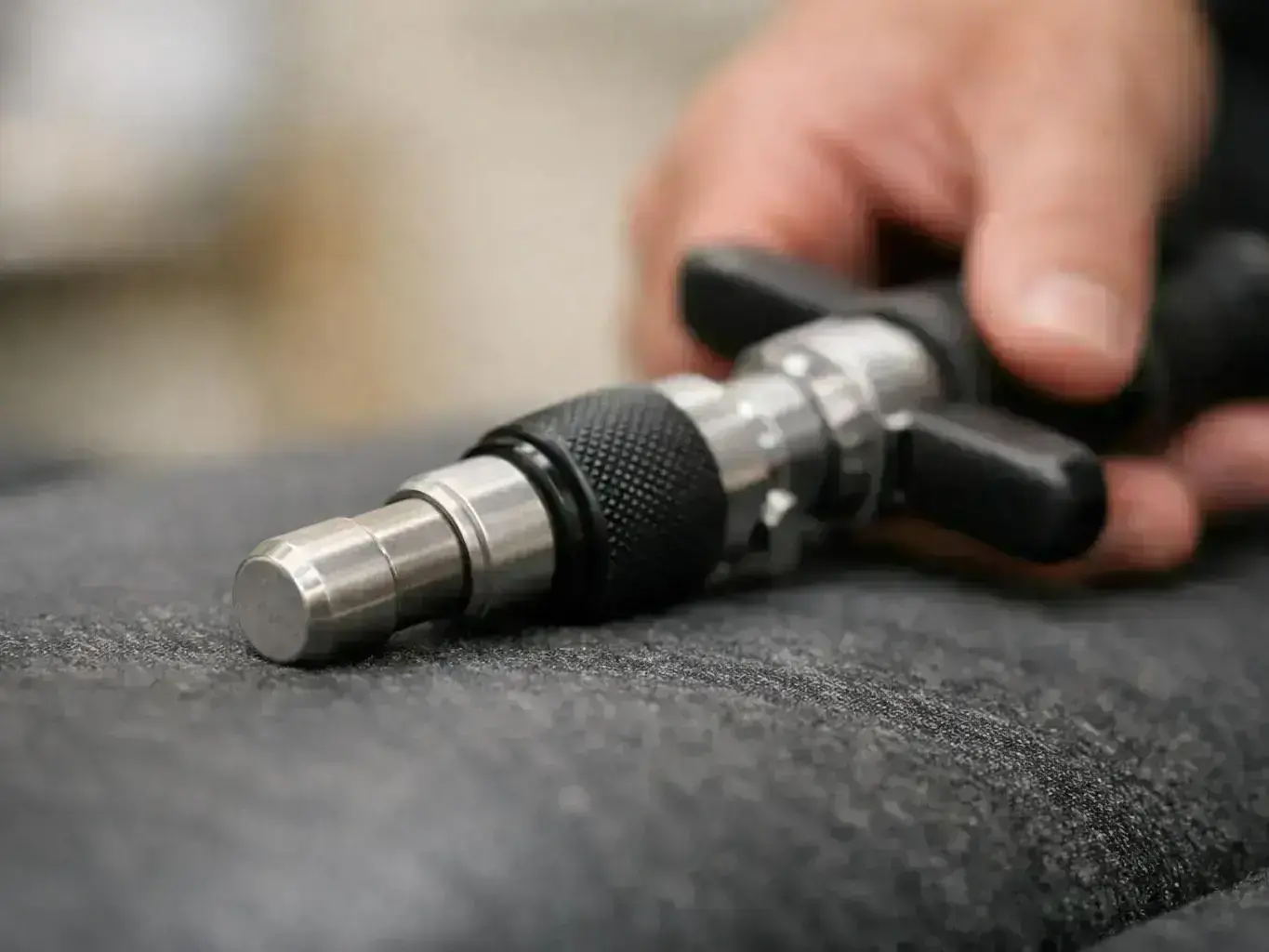
The tool gives a gentle, exact push. It does not twist or use much force.
How Atlas Orthogonal Works?
This method was made for people who don’t like rough fixes. Some folks feel scared of manual adjustments. Others just want something gentle.
The atlas is very close to the brainstem. Even a small shift can mess up nerves. Atlas Orthogonal puts the bone back where it belongs.
This lets the body heal on its own. It also eases stress on muscles and nerves. The fix usually doesn’t hurt. It also has no popping or cracking sounds.
The process starts with a check-up. The doctor takes X-rays and looks at your posture. These pictures show where the atlas is.
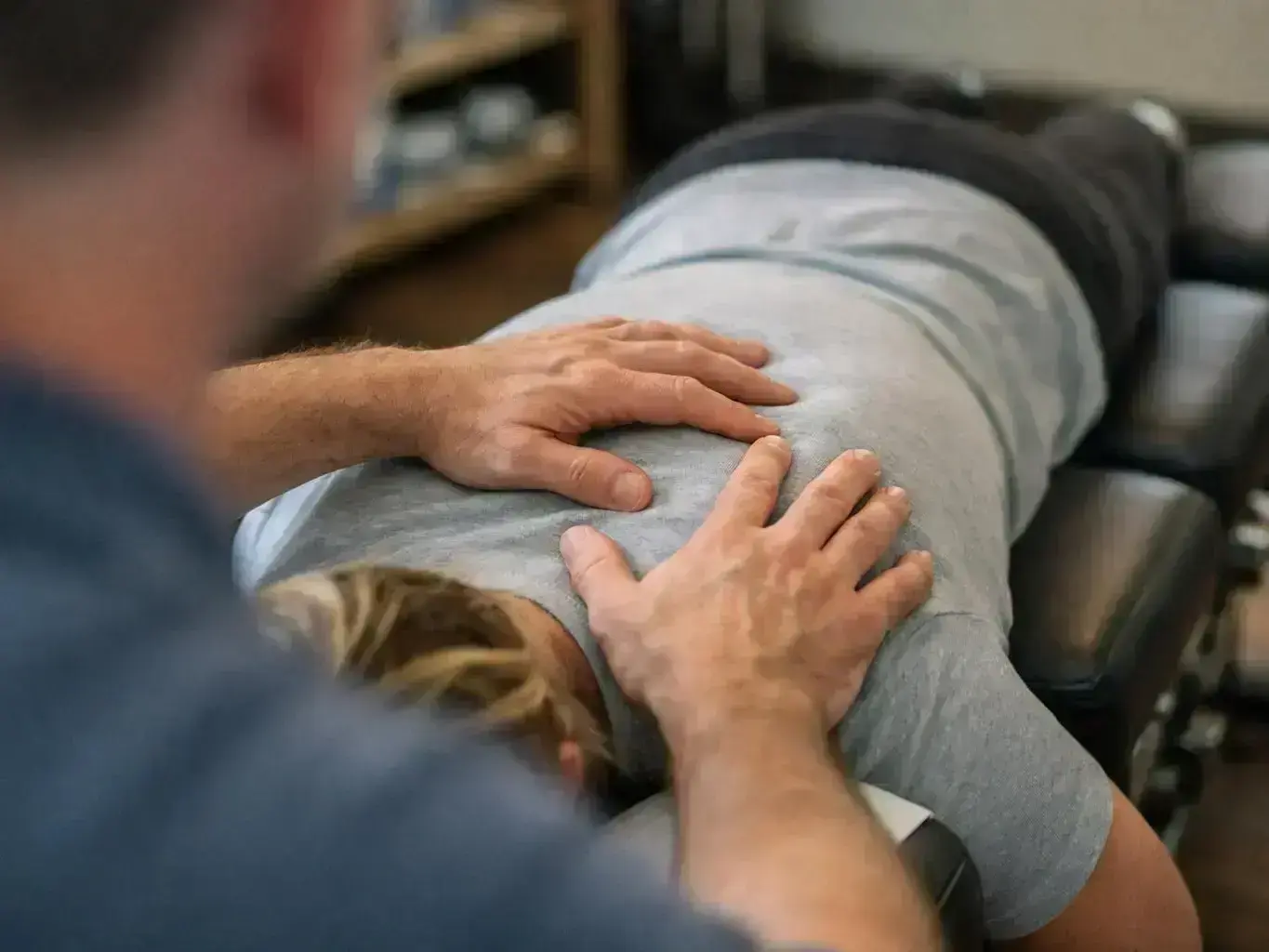
Trained chiropractors use the images. They figure out the best angle and push. During the fix, you lie on your side or back.
The doctor uses a small tool. It’s called an Atlas Orthogonal instrument. It gives a quick, soft tap to your neck.
The tap hits the atlas bone. It does not use hands to move it.
The tool makes sure each tap is the same. This makes the fix safe and easy. Most people feel little or no pain.
Some feel better right away. Others need a few visits. The doctor may also suggest exercises.
These help keep your spine healthy longer.
Why Atlas Orthogonal Matters?
Atlas Orthogonal helps because the atlas affects your whole body. The brainstem goes through this bone. It controls breathing, heart rate. And digestion.
When the atlas is crooked, it squeezes nerves. Blood flow can get blocked. Messages from the brain get mixed up.
This can cause long-term pain. It can make moving hard. It may even hurt your health. Fixing the atlas helps nerves work right.
This can make you feel better overall.
This method is good for people who can’t handle rough fixes. It works for folks with weak bones or arthritis. It’s also safe after injuries like whiplash.
The gentle touch makes it great for kids and seniors. People who don’t like being touched also like it. There’s less chance of soreness or harm.
When Atlas Orthogonal Matters Most?
Atlas Orthogonal helps with many problems. Signs of a bad atlas include headaches. You might feel neck stiffness or dizziness.
Pain can spread to shoulders or arms. It also helps after car crashes or neck injuries. Small shifts can cause big discomfort.
People who sit at desks a lot may feel better. So can athletes with bad posture. This method gives relief without rough fixes.
It’s good for folks who tried other chiropractic care. Some don’t want hands-on fixes. The tool makes each tap exact.
This helps when other methods don’t work. It’s also used for sciatica or jaw pain. Vertigo (dizziness) can also get better.
In Riverdale, GA, car accidents happen often. So do work injuries. Atlas Orthogonal helps with neck problems. It does this without surgery.