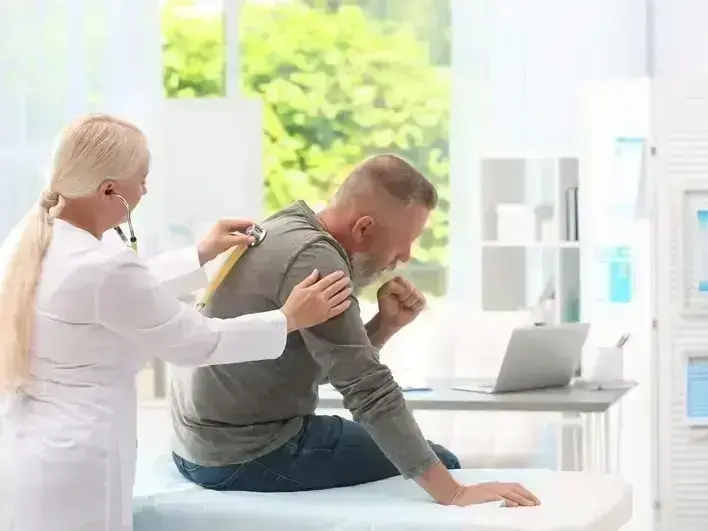
Understanding Electrical Muscle Stimulation
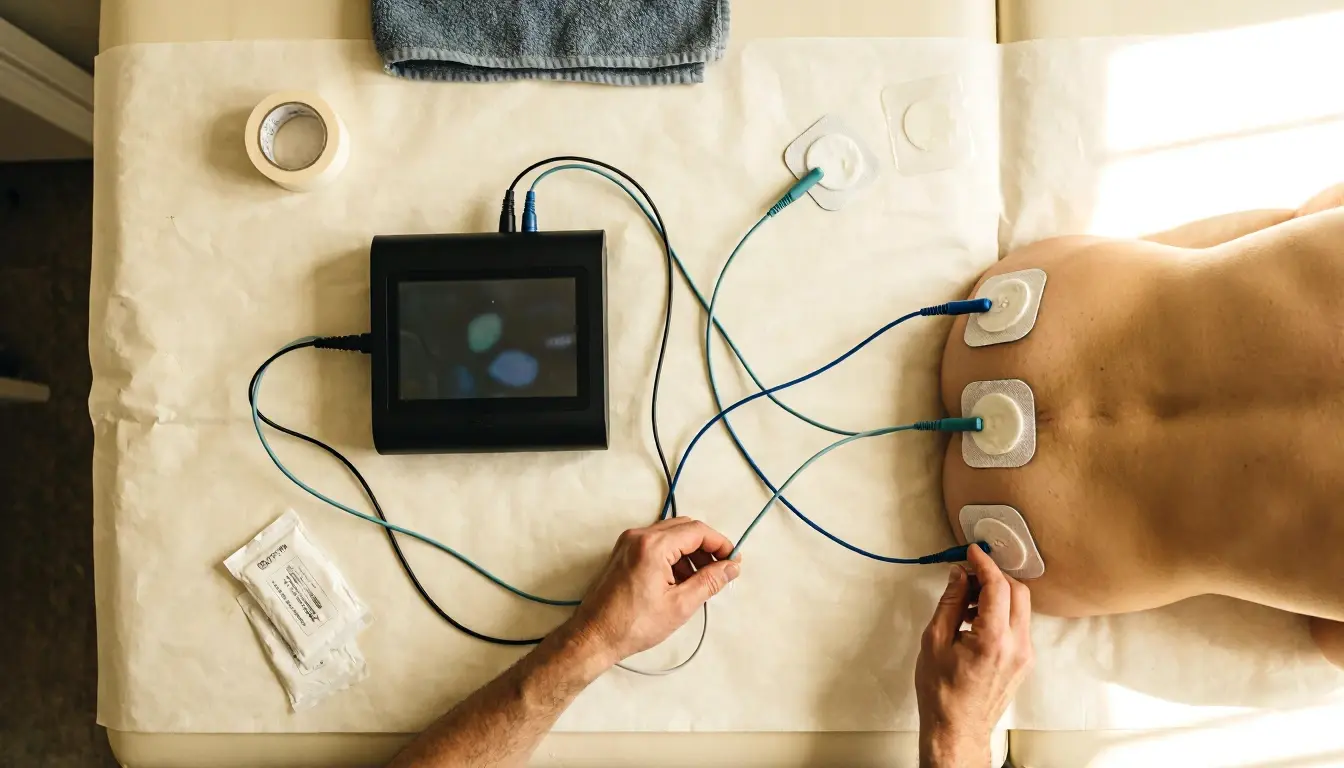
Electrical Muscle Stimulation (EMS) is a non-invasive therapy used by healthcare providers, including chiropractors, to help patients recover from injuries or manage pain. The treatment involves placing small electrodes on the skin near targeted muscles. These electrodes deliver gentle electrical pulses that cause the muscles to contract and relax rhythmically. This process mimics the natural muscle contractions that occur during exercise, which can be especially helpful for patients who are unable to move or exercise due to pain, injury. Or surgery.
EMS is based on the principle that electrical stimulation can activate nerves and muscles in a controlled way. Unlike medications, which may only mask pain temporarily, EMS works by addressing the underlying muscle tension or weakness that contributes to discomfort. The electrical currents used in EMS are low-level and designed to be safe for most patients. Though they should always be administered by a trained professional. This therapy is commonly used in rehabilitation settings to help patients regain strength and mobility after injuries, surgeries. Or prolonged periods of inactivity.
How Electrical Muscle Stimulation Works?
The EMS device generates electrical impulses that travel through the electrodes placed on the skin. These impulses stimulate the motor nerves, which are responsible for sending signals from the brain to the muscles. When the motor nerves receive the electrical signal, they trigger a muscle contraction. The strength and frequency of the contractions can be adjusted by the healthcare provider to match the patient’s needs and tolerance levels.
During a typical EMS session, the patient may feel a tingling or tapping sensation as the muscles contract. The contractions can range from mild to strong, depending on the settings used. The goal is to create enough muscle activity to promote healing and reduce pain without causing discomfort. Sessions usually last between 10 to 30 minutes, depending on the treatment plan. EMS can be used on various parts of the body, including the back, neck, shoulders, arms. And legs, making it a versatile tool for addressing muscle-related issues.
In practice, EMS is often combined with other therapies, such as chiropractic adjustments, massage. Or exercise, to boost its effectiveness. For example, a chiropractor might use EMS to relax tight muscles before performing an adjustment, making the adjustment easier and more comfortable for the patient. Alternatively, EMS can be used after an adjustment to help maintain muscle relaxation and reduce post-treatment soreness.
Why Electrical Muscle Stimulation Matters?
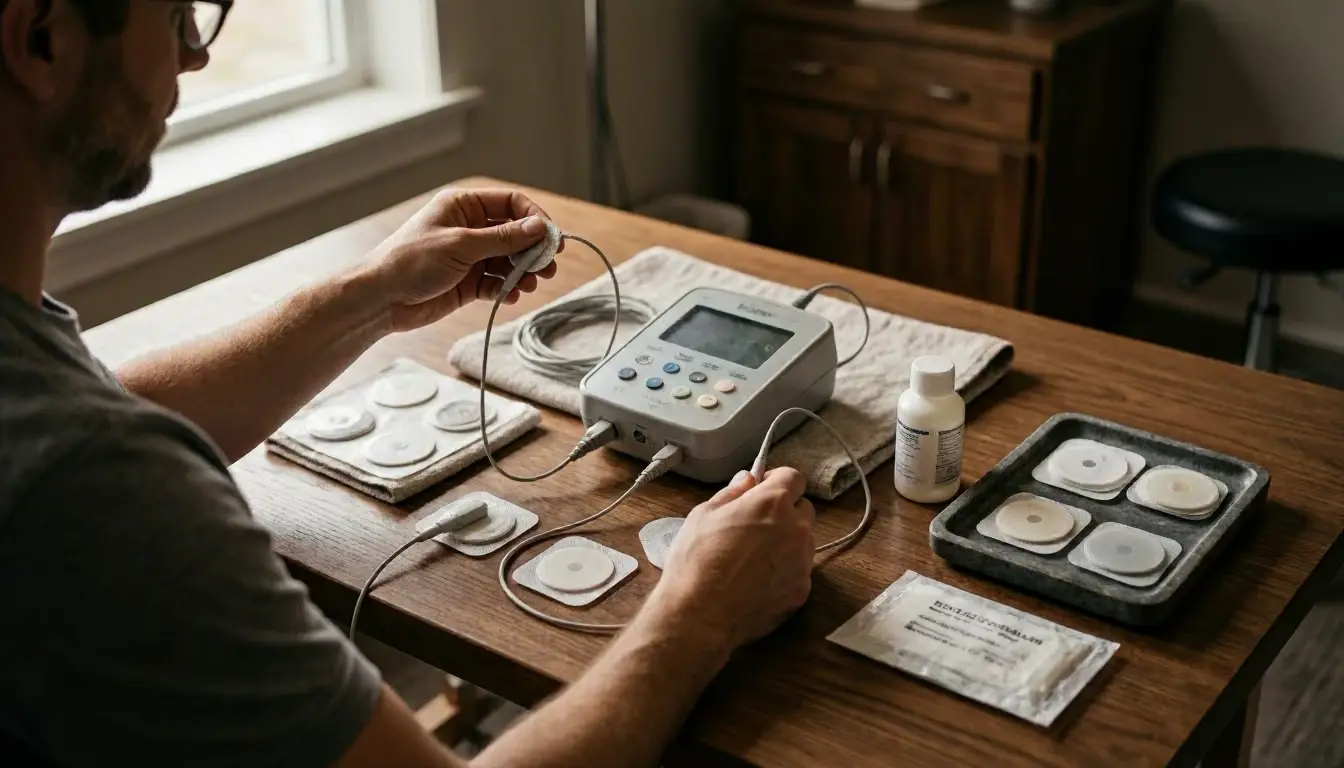
Electrical Muscle Stimulation matters because it offers a drug-free way to manage pain and promote healing. Many patients seek alternatives to pain medications due to concerns about side effects or dependency. EMS provides a safe and effective option for reducing pain, improving muscle function. And speeding up recovery without the need for pharmaceuticals. This makes it particularly valuable for patients with chronic pain, sports injuries. Or post-surgical recovery needs.
Another key benefit of EMS is its ability to prevent muscle atrophy, which is the weakening and shrinking of muscles due to lack of use. This is especially important for patients who are immobilized due to injury or surgery. By stimulating muscle contractions, EMS helps maintain muscle strength and flexibility, reducing the risk of long-term complications. And EMS can improve circulation by increasing blood flow to the targeted muscles, which aids in the delivery of oxygen and nutrients needed for healing.
When Electrical Muscle Stimulation Matters Most?
Electrical Muscle Stimulation is most valuable in situations where muscles are weak, tight. Or painful due to injury, overuse. Or prolonged inactivity. For example, athletes recovering from a sports injury may use EMS to maintain muscle strength while they're unable to train fully. Similarly, patients recovering from surgery, such as a joint replacement or spinal procedure, may benefit from EMS to prevent muscle loss and improve mobility during the healing process.
EMS is also useful for managing chronic conditions like back pain, neck pain. Or sciatica. In these cases, muscle tension and spasms often contribute to ongoing discomfort. By relaxing the muscles and improving circulation, EMS can help break the cycle of pain and tension, providing long-term relief. And EMS can be a helpful tool for patients with neurological conditions that affect muscle control, such as stroke or multiple sclerosis, as it can assist in retraining muscles to function more effectively.
In a chiropractic setting, EMS is often used as part of a full treatment plan. For instance, a patient with lower back pain might receive EMS to relax tight muscles before undergoing a spinal adjustment. This combination can boost the effectiveness of the adjustment and reduce post-treatment soreness. EMS is also commonly used to complement other therapies, such as ultrasound therapy or myofascial release, to provide a well-rounded approach to pain management and recovery.