Understanding Intersegmental Traction
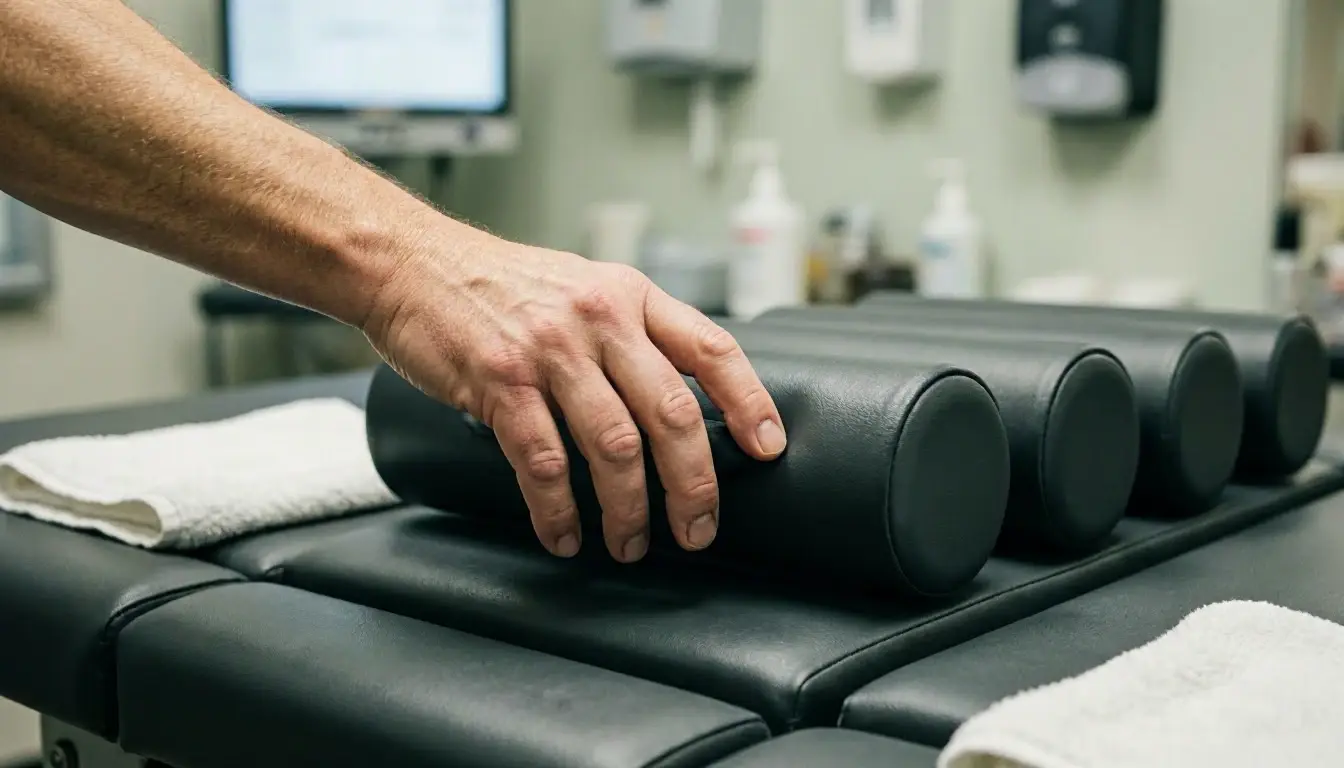
Intersegmental Traction is a form of chiropractic therapy designed to improve spinal function by gently stretching and mobilizing the vertebrae. Unlike manual adjustments that involve quick thrusts or cracking sounds, this technique uses a motorized table equipped with rolling mechanisms. The rollers move along the spine, applying a rhythmic motion that separates the vertebrae slightly. This process helps restore normal movement to stiff or restricted spinal joints, which can become locked due to injury, poor posture. Or repetitive stress.
The therapy is considered passive because the patient simply lies on the table while it does the work. There is no need for active participation, making it a comfortable option for individuals who may be hesitant about manual adjustments. Intersegmental Traction is often used as part of a broader treatment plan, complementing other chiropractic techniques like spinal adjustments, soft tissue therapy. Or exercise recommendations. Its gentle nature makes it suitable for a wide range of patients, including those with mild disc problems, arthritis. Or general spinal stiffness.
How Intersegmental Traction Works?
The mechanism behind Intersegmental Traction involves the use of a specialized table with segmented rollers. These rollers are positioned to target specific areas of the spine, such as the lumbar (lower back) or cervical (neck) regions. As the patient lies face-up on the table, the rollers move slowly along the length of the spine, creating a gentle stretching and mobilizing effect. This motion helps to decompress the vertebrae, reducing pressure on spinal discs and nerves, which can alleviate discomfort and improve flexibility.
The rolling action also stimulates blood flow and lymphatic drainage in the surrounding tissues. Improved circulation delivers oxygen and nutrients to the spine while removing waste products, which can aid in healing and reduce inflammation. A typical session lasts between 10 to 20 minutes, depending on the patient’s specific needs and the chiropractor’s treatment plan. The intensity of the rollers can be adjusted to ensure the therapy remains comfortable and effective for each individual.
Intersegmental Traction is often combined with other therapies to boost its benefits. For example, chiropractors may recommend heat therapy before the session to relax muscles or follow up with manual adjustments to further improve spinal alignment. The goal is to create a synergistic effect where the combined therapies address multiple aspects of spinal health, such as joint mobility, muscle tension. And nerve function.
Why Intersegmental Traction Matters?

Intersegmental Traction plays a valuable role in chiropractic care because it addresses a common issue: restricted spinal movement. When vertebrae become misaligned or stiff, they can limit range of motion, cause discomfort. And even contribute to nerve irritation. By gently mobilizing the spine, this therapy helps restore normal joint function, which is essential for overall spinal health. Improved mobility can also reduce the risk of further injury, as a flexible spine is better able to absorb shocks and adapt to daily movements.
Another key benefit of Intersegmental Traction is its ability to reduce muscle tension. Tight muscles often develop as a protective response to spinal stiffness or misalignment. The rolling motion of the table helps relax these muscles by gently stretching and massaging the soft tissues surrounding the spine. This can lead to immediate relief for patients experiencing back or neck tightness, as well as long-term improvements in posture and muscle balance. And the therapy’s non-invasive nature makes it an appealing option for patients who prefer to avoid manual adjustments or more aggressive treatments.
When Intersegmental Traction Matters Most?
Intersegmental Traction is particularly beneficial for individuals experiencing chronic spinal stiffness, mild disc degeneration. Or muscle tension. It's often recommended for patients who have difficulty with traditional manual adjustments due to pain, fear. Or physical limitations. For example, older adults with arthritis or individuals recovering from minor injuries may find this therapy more comfortable than hands-on techniques. It is also useful for athletes or active individuals who want to maintain spinal flexibility and prevent stiffness from repetitive movements or intense training.
This therapy is also valuable for patients with postural issues, such as those caused by prolonged sitting, desk work. Or poor ergonomics. The gentle stretching action helps counteract the effects of prolonged slouching or hunching, which can lead to spinal misalignment and muscle imbalances. Chiropractors may incorporate Intersegmental Traction into a broader treatment plan that includes posture correction exercises, ergonomic advice. And lifestyle modifications to address the root causes of spinal stiffness.
For local customers, In some cases, Intersegmental Traction is used as a preparatory step before other chiropractic treatments. For instance, relaxing the muscles and improving spinal mobility can make manual adjustments more effective and comfortable. It is also commonly used in rehabilitation programs for patients recovering from injuries, surgeries. Or conditions like sciatica or herniated discs, where gentle mobilization can aid in healing without straining the affected area.


