Understanding Joint Dysfunction
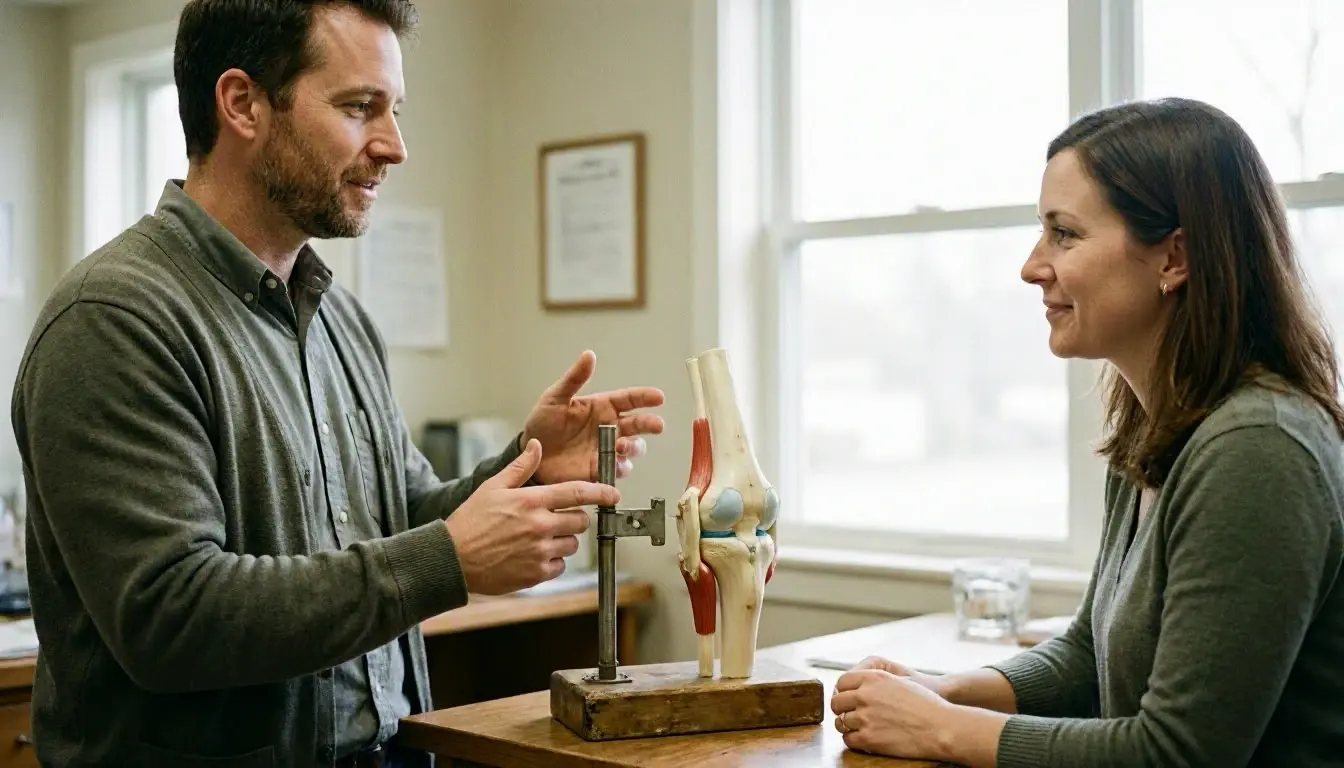
Joint Dysfunction happens when a joint doesn't move right. Joints should move smooth and pain-free. But dysfunction makes them stiff or painful.
This can happen in any joint. It may be in your spine, knees, shoulders. Or hips. It often starts with minor stiffness. But it can get worse if you don't fix it.
Joint Dysfunction is not arthritis. But both can happen at the same time.
You might get Joint Dysfunction after an injury. A fall or car accident can cause it. Bad habits can too, like sitting too long.
Lifting wrong can also hurt your joints. Doing the same motion over and over can cause it. This happens at work or in sports.
Poor posture or stress can cause joint problems too. Don't ignore Joint Dysfunction. It can make walking, bending. Or lifting hard.
How Joint Dysfunction Works?
Joints need muscles, ligaments. And cartilage to move well. If these get hurt, the joint may not glide right.
A tight muscle can pull a joint out of place. A torn ligament can make it feel unstable. This can cause pain when you move.
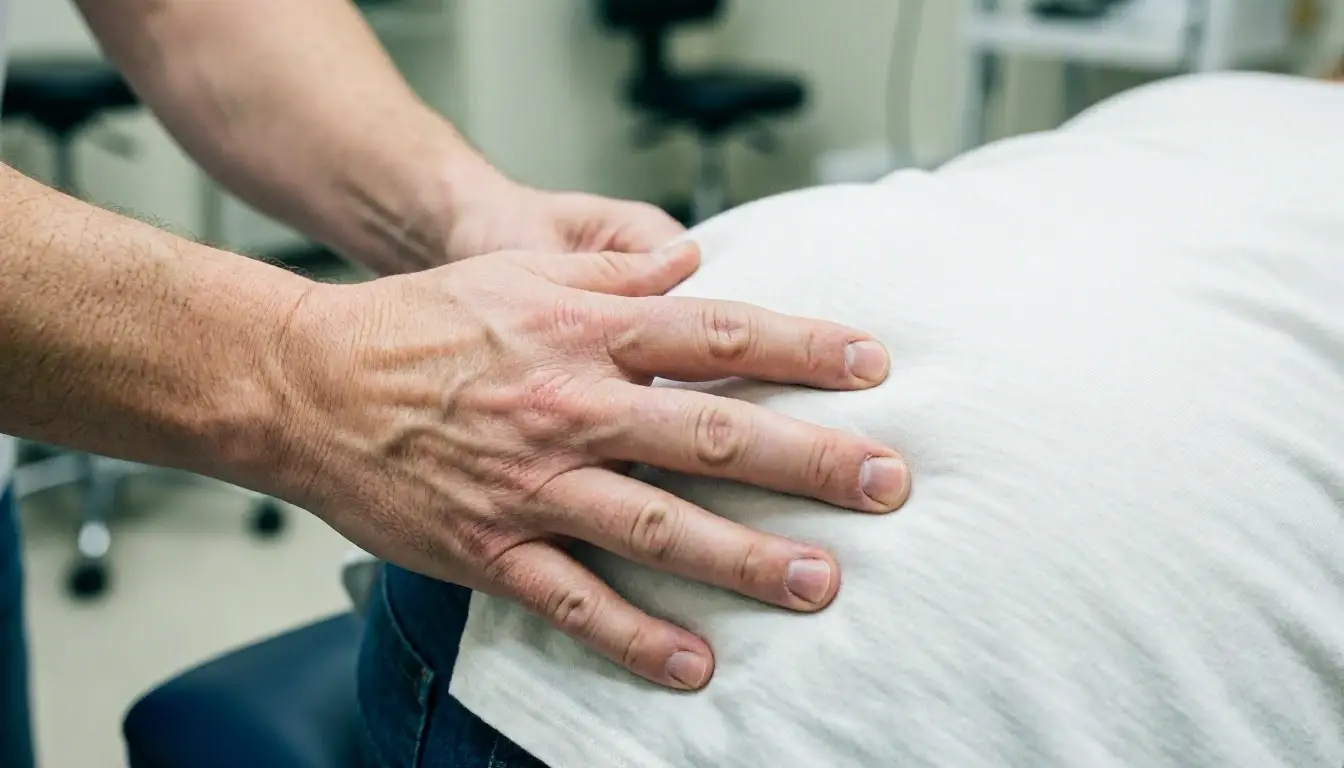
Chiropractors check for Joint Dysfunction. They test how far the joint moves. They feel for tight spots or misalignment.
In the spine, Joint Dysfunction can affect nerves. A stiff spinal joint can irritate nerves. This can cause pain, tingling. Or weakness.
Chiropractors work to fix joint movement. They focus on the spine most. They do simple tests to find the problem.
They move the joint in certain ways. They press on areas to check. Then they use adjustments or stretches to help.
Why Joint Dysfunction Matters?
Don't ignore Joint Dysfunction. It can cause bigger problems later. A stiff joint makes muscles and ligaments work too hard.
This can make them tired or tense. It can even cause new injuries. For example, a bad knee can hurt your hip or ankle too.
Over time, this can make daily life hard. It can affect work or sports. You might feel pain all the time.
Bad joint movement can hurt your health. It can cause poor posture. This can lead to headaches or back pain.
It can make breathing hard too. In the spine, it can irritate nerves. This can affect organs or cause pain elsewhere.
Fixing Joint Dysfunction early helps. It can stop these problems. It can make your life better.
When Joint Dysfunction Matters Most?
Joint Dysfunction matters after an injury. A car accident or sports mishap can cause it. Even small injuries can make joints move wrong.
This can lead to long-term problems. People who sit a lot are at risk. So are those who lift heavy things.
Doing the same motion over and over can cause it too. Athletes and office workers often get it. Construction workers do too.
Some people are more likely to get Joint Dysfunction. Older adults may get it from wear and tear. Young people can get it from overuse.
Pregnant women often get it in the pelvis. Their posture changes. Weight shifts can cause it too.
Watch for signs like stiffness or pain. You might not move as well. Fixing it early can help you heal faster.