Understanding Physical Rehabilitation
Physical rehab helps people recover. They may have injuries, surgeries. Or health problems. These things affect how they move.
Rehab is not like regular exercise. It is made just for you. It helps with weak muscles, stiff joints. Or nerve issues.
It uses exercises and hands-on help. Sometimes it uses tools too. This helps people do daily tasks again. Tasks like walking, lifting. Or bending.
The goal is more than just less pain. It helps your body work safely again. It helps you do tasks the right way.
For example, someone with a back injury works on core muscles. These muscles support the spine. Others may work on balance after knee surgery.
Doctors and therapists make rehab plans. They check what each person needs. They watch how each person gets better.
How Physical Rehabilitation Works?
Rehab starts with a check-up. A doctor or therapist looks at your strengths. They see what you can't do well yet.
They check how far you can move. They test your muscle strength. They look at your balance and pain levels.
Then they make a plan just for you. It may include stretches to help you bend. It may have strength exercises too.
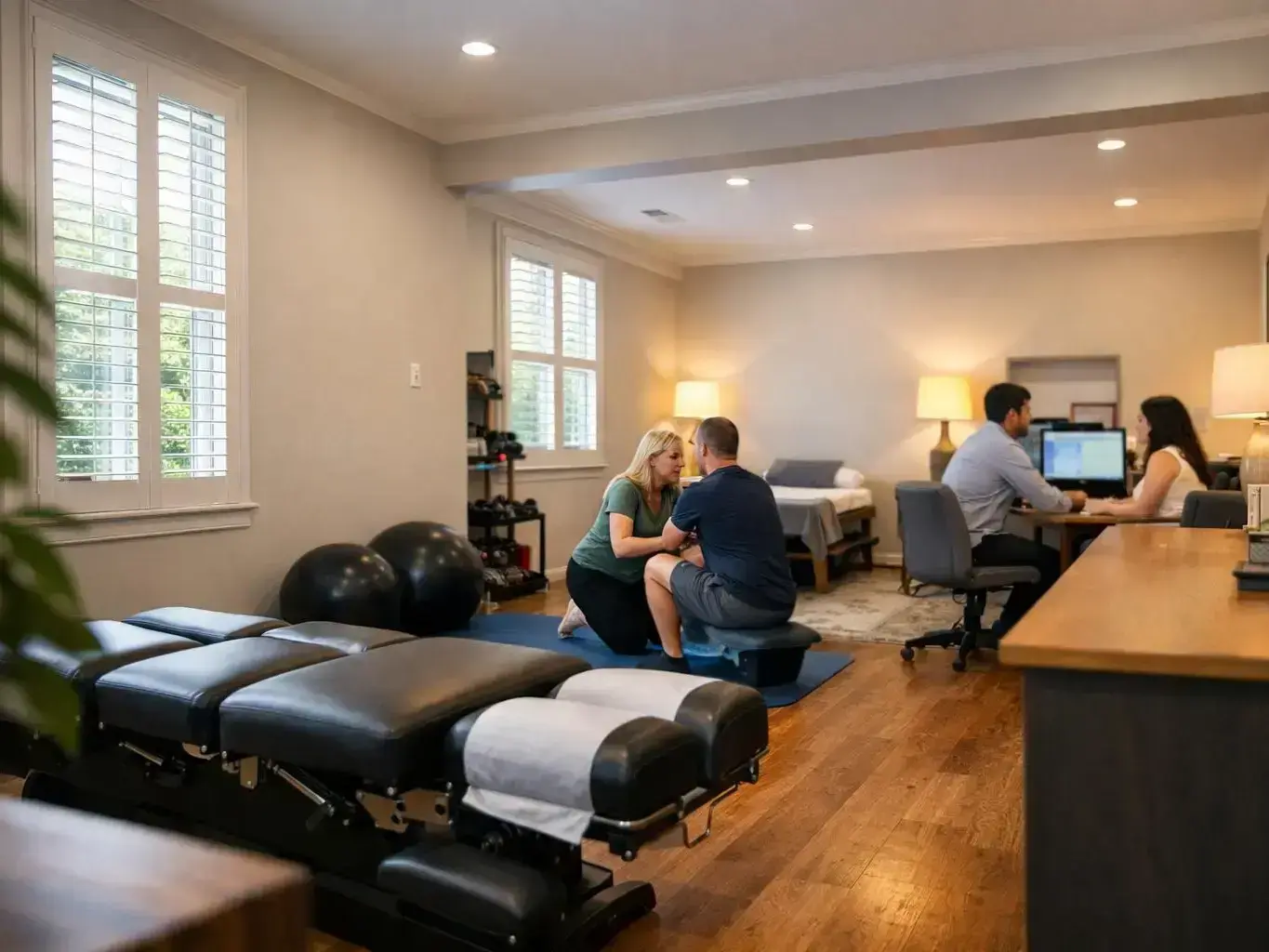
They might use hands-on help. This can be massage or moving your joints. They may use heat, ice. Or small shocks to ease pain.
Exercises help certain muscles or moves. Someone with a shoulder injury may stretch gently. Then they may use weights to get stronger.
Hands-on help can ease tight muscles. It can help joints work better. It can also make you hurt less.
Tools like bands or balance boards help too. They make rehab work better. The therapist watches your progress.
They change the plan as you get better. Exercises may get harder. New steps may be added if needed.
How long rehab takes depends on you. Some get better in weeks. Others need months of work.
Why Physical Rehabilitation Matters?
Rehab helps people heal from injuries. It also helps after surgeries. It helps with long-term health problems too.
Without rehab, injuries may not heal right. This can cause long-term pain. It can make you weak or stiff.
For example, someone who skips rehab after knee surgery may get stiff. They may feel unsteady. They may hurt their knee again.
Rehab also stops new injuries. It makes you stronger and more flexible. It teaches you how to move safely.
Someone with back pain may learn to lift right. They may do exercises for their core. This helps stop new injuries.
Rehab can help you live better. It lets you go back to work or sports. It helps you do hobbies again.
For older adults, rehab helps too. It makes balance and moving easier. This helps them stay safe and independent.
When Physical Rehabilitation Matters Most?
Rehab is key after bad injuries or surgeries. It helps with long-term health problems too.
Someone in a car crash may need rehab. It can help with whiplash or back pain. It can fix joint injuries too.
People who have surgery need rehab. It helps after joint replacements. It helps after back or knee surgeries.
Rehab stops problems like scar tissue. It stops muscles from getting weak. It helps you move again.
It helps with long-term issues like arthritis. It can help with back nerve pain (sciatica). It helps with curved spines (scoliosis).
Rehab can ease pain. It can help you move better. It can slow down the problem.
Athletes use rehab after sports injuries. It helps with sprains, strains. Or broken bones. It helps them play safely again.
Older adults use rehab too. It helps with balance issues. It helps with weak muscles or stiff joints.
Rehab can be part of a bigger plan. It may include medicine or new habits. It may have other treatments too.
Someone with a slipped disc may see a chiropractor. They may do rehab. They may take medicine for pain.
When and how you do rehab depends on you. It depends on your health and goals. But it is always important.