Understanding Pinched Nerve

A pinched nerve happens when tissues press too hard on a nerve. Bones, muscles. Or tendons can cause this pressure.
The pressure stops the nerve from working right. It can cause pain, tingling. Or weakness. Numbness may also happen.
Pinched nerves can show up anywhere. They often happen in the spine, neck, wrists. Or elbows.
This problem can start fast. An injury or doing the same motion over and over can cause it.
It can also build up slowly. Poor posture or carrying heavy bags may lead to a pinched nerve.
Rest can help mild cases. But bad cases may need a doctor to stop lasting harm.
How Pinched Nerve Works?
Nerves send messages from the brain. A pinched nerve blocks these messages.
This can cause pain or numbness. Where you feel it depends on where the nerve is pinched.
A pinched nerve in the neck may hurt your shoulder. It can also make your arm or hand tingle.
A pinched nerve in the back may affect your legs. Your feet may also feel strange.
Your body swells when a nerve is pinched. This swelling can make symptoms worse.
If the pressure stays, the nerve can get hurt for good. This may cause long-term pain.
Muscles can get weak too. Herniated discs (bulging spinal cushions) or arthritis often cause this.
Doctors check for pinched nerves with exams. They may use X-rays or MRIs (pictures inside your body).
Why Pinched Nerve Matters?
A pinched nerve is not just minor pain. It can make daily tasks hard.
It can hurt your work and life. If not treated, it may cause lasting harm.
Early help can ease pressure on the nerve. This can stop swelling and fix how the nerve works.
Simple changes can help. Better posture or breaks from repetitive tasks work.
Ergonomic tools (tools made for comfort) can stop more irritation.
If symptoms don’t go away, a doctor may be needed.
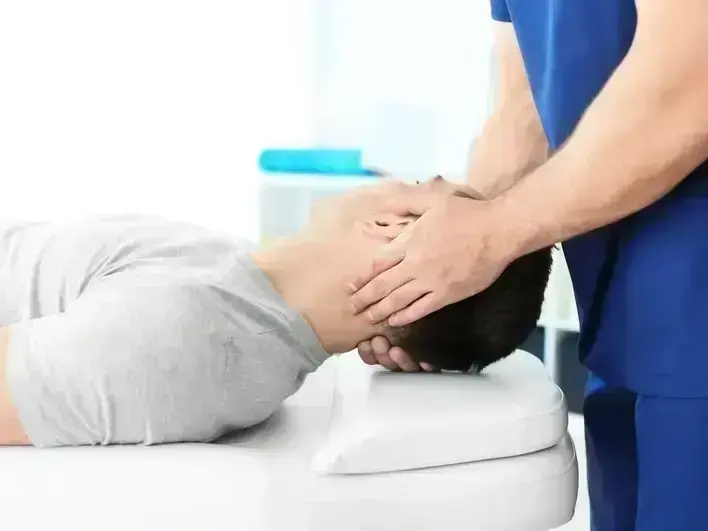
Chiropractors (back doctors) or therapists can help. They make plans for your pinched nerve.
Fixing the main problem gives lasting relief. This can stop it from happening again.
When Pinched Nerve Matters Most?
Get help if a pinched nerve messes with your life. Do this if symptoms get worse.
See a doctor right away for bad pain. Sudden weakness or losing control needs quick care.
Fast-spreading numbness is also serious. This may mean a big problem like cauda equina syndrome (nerve damage).
Some people get pinched nerves more often. Typing, lifting. Or sports can cause them.
Athletes, office workers. And laborers may feel this sooner. Overuse can lead to symptoms.
Being overweight or having diabetes raises the risk. Arthritis can also press on nerves.
Knowing early signs helps. Small changes can stop big problems later.