Understanding Posture Correction
Posture Correction focuses on restoring the body’s natural alignment to reduce unnecessary stress on muscles, joints. And nerves. Poor posture, whether from slouching, prolonged sitting. Or repetitive movements, can lead to discomfort, fatigue. And even chronic conditions like back pain or headaches. The goal of posture correction is not just to stand or sit taller but to create lasting changes that support the body’s structure during movement and rest.
Many factors contribute to poor posture, including weak muscles, tightness from inactivity, improper ergonomics at work. Or previous injuries. Over time, the body adapts to these imbalances, making it harder to maintain proper alignment without effort. Posture correction addresses these underlying causes by combining targeted exercises, stretches. And manual therapies to retrain the body’s movement patterns. Education about ergonomics and daily habits also plays a key role in maintaining progress.
How Posture Correction Works?
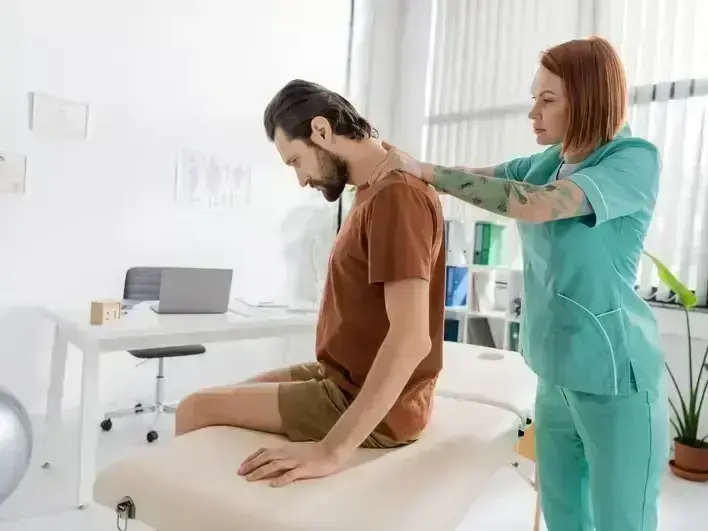
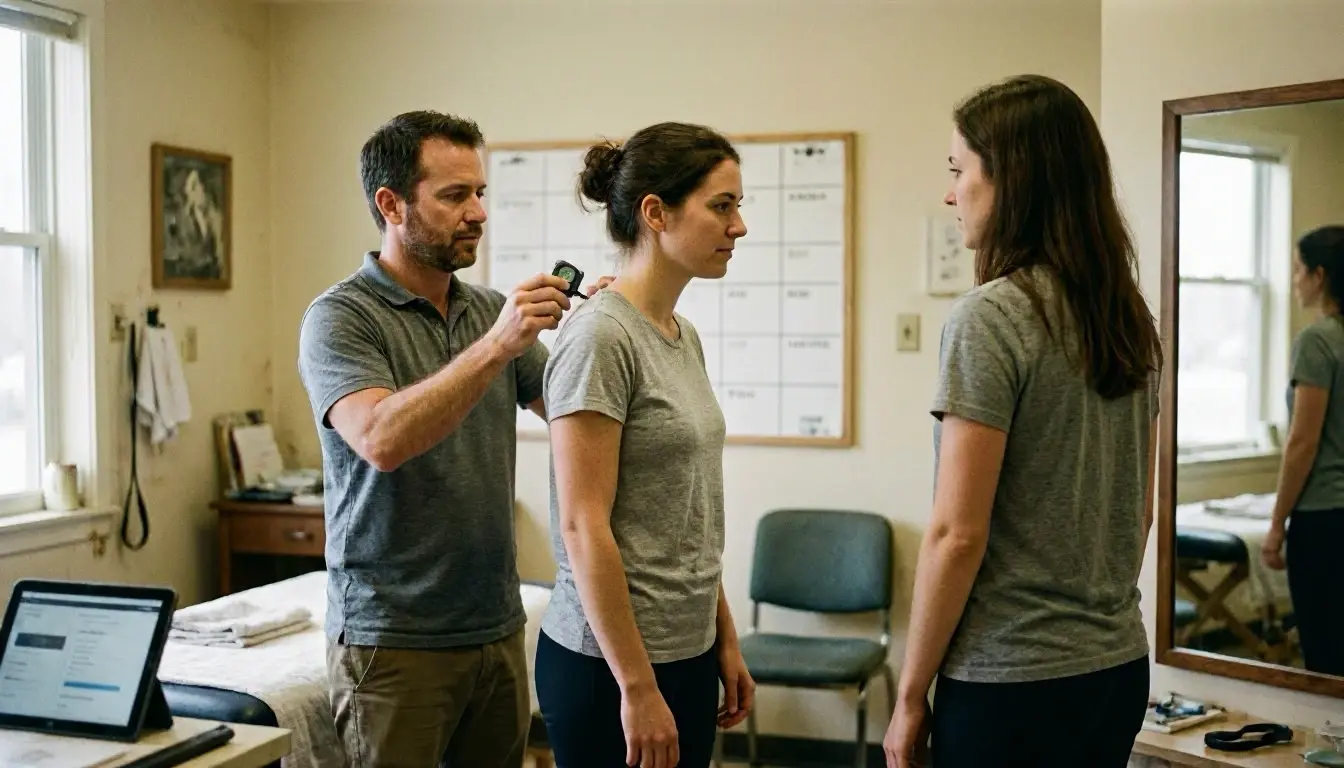
Posture correction typically begins with an assessment to identify specific misalignments, such as rounded shoulders, forward head posture. Or an arched lower back. A chiropractor or physical therapist may use visual observation, palpation. Or advanced tools like posture analysis software to evaluate the body’s alignment. Once imbalances are identified, a personalized plan is created to address them, often including a mix of strengthening exercises, stretches. And manual adjustments.
Strengthening weak muscles, such as those in the upper back or core, helps support proper alignment. While stretching tight muscles, like the chest or hip flexors, reduces tension that pulls the body out of balance. Ergonomic adjustments, such as modifying a workspace or using supportive pillows, can also help maintain good posture throughout the day. Manual therapies, like chiropractic adjustments or myofascial release, may be used to realign joints and release tight soft tissues, making it easier for the body to hold a neutral position.
Consistency is key to successful posture correction. Small, daily habits—such as taking breaks to stretch, setting reminders to check posture. Or using supportive footwear—can reinforce progress. Over time, the body learns to default to better alignment, reducing strain and improving overall function.
Why Posture Correction Matters?

Good posture is more than just an aesthetic concern; it directly impacts health and well-being. When the body is properly aligned, muscles and joints work efficiently, reducing wear and tear that can lead to pain or injury. Poor posture, on the other hand, forces certain muscles to overwork while others become weak, creating imbalances that can cause chronic discomfort, headaches. Or even nerve compression. For example, forward head posture, common in people who spend hours looking at screens, can increase the weight on the neck by up to 10 pounds, leading to tension and pain.
For local customers, Beyond pain relief, posture correction can improve breathing, digestion. And energy levels. Proper alignment allows the lungs to expand fully, increasing oxygen intake. While reducing compression on internal organs supports better digestion. Many people also report feeling more confident and energetic when they stand or sit with good posture, as it reduces fatigue and improves circulation. Addressing posture early can prevent minor issues from becoming serious, long-term problems, making it a valuable investment in overall health.
When Posture Correction Matters Most?
Posture correction is especially important for individuals who experience frequent discomfort, stiffness. Or pain, particularly in the neck, back. Or shoulders. People who sit for long periods, whether at a desk, in a car. Or on a couch, are at higher risk for developing poor posture and its associated problems. Similarly, those with jobs that require repetitive movements, heavy lifting. Or awkward positions—such as nurses, construction workers. Or hairdressers - can benefit from posture correction to prevent strain and injury.
Posture correction is also valuable for athletes or active individuals looking to improve performance and reduce injury risk. Proper alignment enhances movement efficiency, allowing muscles to generate power more effectively and reducing the likelihood of overuse injuries. And children and adolescents, whose bodies are still developing, can benefit from early posture education to prevent habits that may lead to chronic issues later in life. Even individuals recovering from injuries or surgeries may use posture correction as part of their rehabilitation to restore balance and function.
For residents of Riverdale, GA, where daily commutes, office jobs. And active lifestyles are common, posture correction can address the unique challenges posed by local work and leisure activities. Whether sitting in traffic, working at a desk. Or engaging in sports, maintaining good posture helps prevent the aches and pains that often accompany modern life.