Glossary

What is Spinal Manipulation?

Spinal Manipulation is a hands-on technique used by chiropractors and other trained healthcare providers to apply controlled force to a joint in the spine. The goal is to improve spinal motion, reduce pain. And restore function by realigning vertebrae that may be misaligned or restricted. This method is commonly used to treat back pain, neck pain. And headaches.

Reviewed by Dr. Harry W. Brown, D.C.Sources reviewed: American Chiropractic Association, National Center for Complementary and Integrative Health

Quick Facts About Spinal Manipulation

Category

Manual therapy

Used for

Back pain, neck pain, headaches

Common confusion

Often mistaken for spinal decompression or massage

Also called

Spinal Adjustment, Chiropractic Manipulation

Often discussed with

Chiropractic Consultation and Diagnosis, Car Accident Injury Rehabilitation

Key Takeaways About Spinal Manipulation

Understanding Spinal Manipulation

Spinal Manipulation in Chiropractor—Riverdale

Spinal manipulation is a way to help your spine. A trained provider uses their hands or a small tool.

Related glossary terms: Chiropractic, Chiropractic Adjustment, Spinal Alignment.

They apply a quick, controlled force to a joint. This moves the joint more than usual.

It can ease pressure and pain. It may also help you move better.

The joint may pop or crack. This sound is just gas bubbles leaving the joint.

Don't worry about the sound. It's normal and won't hurt you.

This method helps fix spine problems. Misalignments can stop your body from healing.

Spinal manipulation puts things back in place. This helps your body work right.

It's often used for back pain. It can also help neck pain and headaches.

It may help other muscle or joint problems too. Like shoulder or hip pain.

How Spinal Manipulation Works?

First, the provider checks your spine. They look for stiff or out-of-place joints.

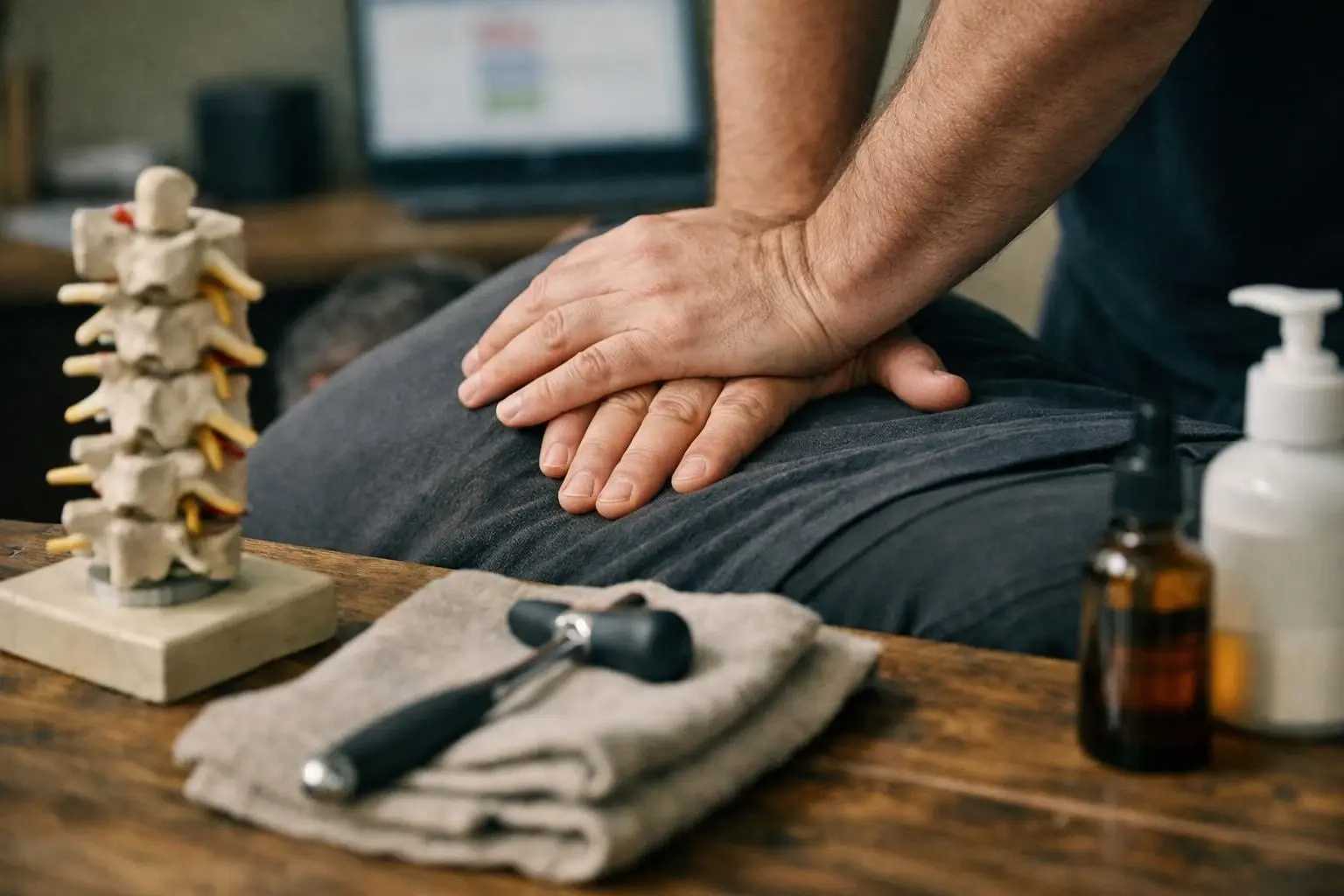
You'll lie on a soft table. The provider puts their hands on the problem spot.

They give a quick push to the joint. You might hear a pop.

The pop doesn't mean it worked. But it often shows the joint moved.

The push is safe. It's just enough to help, not hurt.

The force depends on you. Your size, age. And problem matter.

Older people get gentle pushes. So do people with weak bones.

Younger, healthy people may get a firmer push. The goal is to help, not harm.

Some feel better right away. Others need a few visits.

Why Spinal Manipulation Matters?

Spinal manipulation helps pain. It's good for people who don't want surgery.

It's also good for those who don't want drugs. Many try it after other treatments fail.

It fixes the cause of pain. Like bad joints or tight muscles.

This helps people get back to daily life. They have less pain.

It costs less than surgery. That's another good thing.

Providers like it too. It lets them treat pain without drugs.

Drugs can cause side effects. Some people can't take them.

Others don't want to rely on pills. Spinal manipulation is a safe choice.

It works best with other care. Like exercise and stretching.

Lifestyle changes help too. A licensed provider keeps you safe.

When Spinal Manipulation Matters Most?

This helps people with spine pain. It works for new or long-term pain.

It can help after small injuries. Like falls or car accidents.

It's used for sciatica (nerve pain). It helps herniated discs too.

It can ease headaches. These come from tight neck muscles.

People who sit a lot may need it. So do those who lift heavy things.

But it's not for everyone. Some health problems make it unsafe.

People with weak bones should avoid it. So should those with spine problems.

Tell your provider about your health. They'll help you decide.

In Riverdale, GA, chiropractors use this a lot. They make a plan just for you.

They help people heal from injuries. They also help with long-term pain.

How to Evaluate Spinal Manipulation?

Related Concepts Compared

Spinal Manipulation vs. Chiropractic Adjustment

Chiropractic adjustment is a broader term that includes spinal manipulation but may also involve other techniques, such as extremity adjustments or soft tissue work.

Spinal Manipulation vs. Spinal Decompression

Spinal decompression uses mechanical traction to relieve pressure on spinal discs. While spinal manipulation applies manual force to adjust joints.

Spinal Manipulation vs. Manual Therapy

Manual therapy is a general category that includes spinal manipulation but also covers massage, stretching. And other hands-on techniques.

Expert Note

Spinal manipulation is most effective when combined with other therapies, such as exercise and posture correction. A single session may provide temporary relief. But lasting results often require a series of treatments and lifestyle changes to address the underlying cause of pain.

Common Mistakes or Myths About Spinal Manipulation

  • Assuming spinal manipulation is the same as cracking your own back at home.
  • Believing that the popping sound is necessary for the treatment to work.
  • Thinking that one session will cure chronic pain without follow-up care.
  • Choosing an unlicensed provider for spinal manipulation, which increases risk of injury.

Spinal Manipulation in Practice: A Real-World Example

After a car accident, a patient in Riverdale, GA, visits a chiropractor for persistent neck pain. The chiropractor performs spinal manipulation to realign the cervical vertebrae, reducing stiffness and improving range of motion. The patient notices less pain and better mobility after just a few sessions, allowing them to return to work without relying on pain medication.

Sources & Further Reading on Spinal Manipulation

  • American Chiropractic Association
  • National Center for Complementary and Integrative Health
  • Mayo Clinic

Related Services

Related Terms

Chiropractic

Chiropractic is a healthcare profession focused on diagnosing and treating musculoskeletal disorders, particularly those related to the spine. Chiropractors use hands-on spinal manipulation and other therapies to help the body heal itself without surgery or medication. The goal is to improve function, reduce pain. And support overall health by ensuring proper alignment of the body’s structure.

Chiropractic Adjustment

Chiropractic Adjustment is a precise manual procedure where a licensed chiropractor applies controlled force to a joint in the spine or other body part to improve alignment, reduce nerve irritation. And restore mobility. These adjustments are tailored to each patient’s condition and are a core treatment in chiropractic care for pain relief and functional improvement.

Spinal Alignment

Spinal Alignment is the proper positioning of the vertebrae in the spine, ensuring they're correctly stacked and balanced. This alignment supports optimal nerve function, posture. And movement while reducing stress on muscles, ligaments. And joints. Misalignment can cause pain, stiffness.

Manual Therapy

Manual Therapy is a hands-on treatment method used by chiropractors, physical therapists. And other healthcare providers to diagnose and treat musculoskeletal conditions. Manual Therapy involves skilled techniques like joint mobilization, soft tissue manipulation. And stretching to reduce pain, improve mobility. And restore function without surgery or medication.

Arrowhead Clinic Chiropractor

Have Questions About Spinal Manipulation?

Contact Arrowhead Clinic Chiropractor for practical guidance on Spinal Manipulation and related chiropractor work in Riverdale.

+1 678-605-9917