Glossary

What is Chiropractic Neurology?

Chiropractic Neurology is a specialized branch of chiropractic care that focuses on how the nervous system and brain interact with the spine and body. It uses non-surgical, drug-free methods to diagnose and treat conditions affecting nerve function, such as balance disorders, chronic pain. And movement problems. Chiropractic Neurologists complete extra training to assess brain and nerve health using exams and therapies.

Reviewed by Dr. Harry W. Brown, D.C.Sources reviewed: American Chiropractic Neurology Board, Cleveland Clinic - Chiropractic Care Overview

Quick Facts About Chiropractic Neurology

Category

Chiropractic specialty

Used for

Nerve-related disorders, brain-body coordination

Common confusion

Not the same as general chiropractic adjustments

Also called

Functional Neurology, Chiropractic Functional Neurology

Often discussed with

Chiropractic Consultation and Diagnosis

Key Takeaways About Chiropractic Neurology

Understanding Chiropractic Neurology
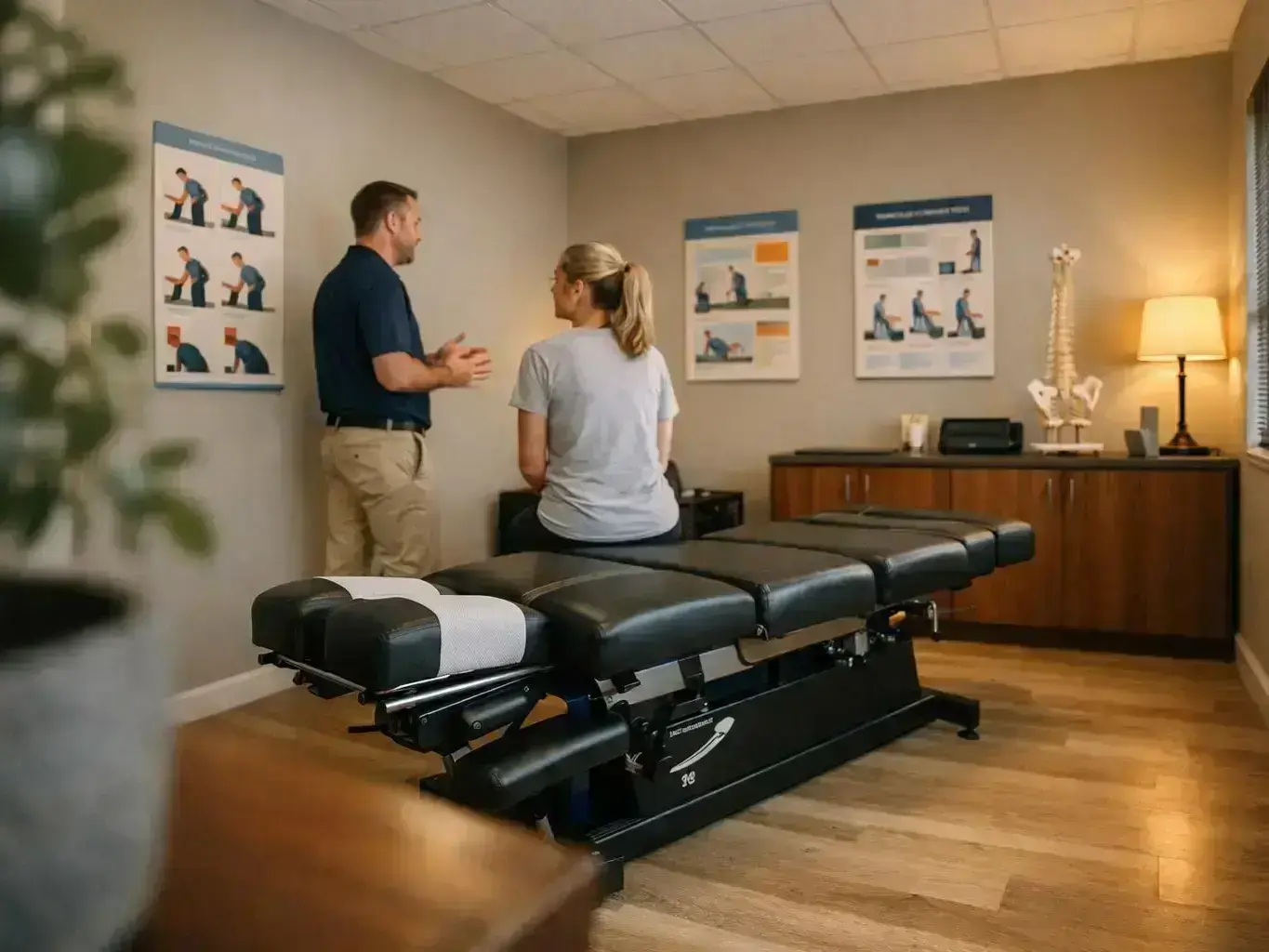
Chiropractic Neurology in Chiropractor—Riverdale

Chiropractic Neurology looks at the brain, nerves. And spine. It checks how they work together. This is different from regular chiropractic care.

Related glossary terms: Chiropractic, Nerve Compression, Spinal Alignment.

Regular chiropractic care often helps with pain. It uses spinal adjustments. But Chiropractic Neurology looks at nerve signals.

Nerve signals affect movement, balance. And body function. Problems in the nervous system can cause dizziness. They can also cause muscle weakness or long-term pain.

How Chiropractic Neurology Works?

Chiropractic Neurologists check brain and nerve communication. They use detailed exams. These exams test balance, eye movements. And muscle strength.

The goal is to find where nerves aren't working right. Then they use therapies to help. This is different from traditional medicine.

Traditional medicine might use drugs or surgery. Chiropractic Neurology doesn't. It finds and fixes nerve problems in other ways.

First, the doctor checks reflexes and coordination. They look for signs of nerve health. For example, they might test balance or eye tracking.

If someone can't balance well, the doctor checks their feet. They see how feet respond to different surfaces. This helps find the problem.

Once they find the problem, they use therapies. These help retrain the brain and nerves. They might use gentle spinal adjustments.

They also use eye exercises or coordination movements. The goal is to help nerves work better. This care looks at the whole body, not just the spine.

Some therapies use sensory stimulation (tools that wake up nerves). Others use light therapy. These methods don't use drugs or surgery.

For chronic pain, they help the brain change pain signals. This is safe for many people. It doesn't involve medicine.

Why Chiropractic Neurology Matters?

Chiropractic Neurology helps without surgery or drugs. It treats nerve problems at their source. Many people with long-term pain get relief this way.

It also helps with balance or muscle control issues. Traditional methods may not work. Chiropractic Neurology offers another option.

It focuses on how the brain and nerves talk. This can lead to long-term improvements. It's not just temporary relief.

It helps people recover from injuries too. Strokes or brain injuries affect nerves. Therapies can retrain the brain and body.

This field also helps athletes. It improves nerve function. That can boost performance.

When Chiropractic Neurology Matters Most?

Chiropractic Neurology helps with nerve problems. It works for long-term pain that won't go away. It also helps with balance issues like vertigo.

People with muscle problems benefit too. It's good for those recovering from injuries. Concussions or strokes can disrupt nerves.

Athletes can improve their performance. It helps the brain and body work better. This care is also for people who don't want surgery or drugs.

It uses natural therapies. That's good for people who avoid medicine. It helps kids and adults with developmental disorders too.

ADHD or autism can make coordination hard. Chiropractic Neurology can help. In Riverdale, GA, it offers special care close to home.


How to Evaluate Chiropractic Neurology?

Related Concepts Compared

Chiropractic Neurology vs. General Chiropractic Care

General chiropractic care focuses on spinal adjustments to relieve pain. While Chiropractic Neurology examines brain-nervous system connections to treat coordination and nerve function issues.

Chiropractic Neurology vs. Physical Therapy

Physical therapy often focuses on strengthening muscles and improving mobility. While Chiropractic Neurology targets the nervous system to restore brain-body communication.

Chiropractic Neurology vs. Neurology (Medical)

Medical neurology is a branch of medicine that diagnoses and treats nervous system disorders with drugs or surgery. While Chiropractic Neurology uses non-invasive, drug-free therapies.

Expert Note

Chiropractic Neurology is not just about adjusting the spine—it’s about understanding how the brain and nerves work together. A well-trained Chiropractic Neurologist can identify subtle dysfunctions that other providers might miss, leading to more targeted and effective care.

Common Mistakes or Myths About Chiropractic Neurology

  • Assuming Chiropractic Neurology is the same as regular chiropractic care.
  • Expecting immediate results—nerve retraining takes time and consistency.
  • Thinking it replaces medical neurology for serious conditions like seizures or tumors.
  • Believing it only treats back pain—it focuses on brain-body coordination.
  • Choosing a provider without specialized neurology training.

Chiropractic Neurology in Practice: A Real-World Example

A patient with chronic dizziness visits a Chiropractic Neurologist. After testing their balance and eye movements, the doctor discovers the problem stems from a miscommunication between the brain and inner ear. Using specific exercises and gentle adjustments, the patient’s dizziness improves over several weeks without medication.

Sources & Further Reading on Chiropractic Neurology

Related Services

Related Terms

Chiropractic

Chiropractic is a healthcare profession focused on diagnosing and treating musculoskeletal disorders, particularly those related to the spine. Chiropractors use hands-on spinal manipulation and other therapies to help the body heal itself without surgery or medication. The goal is to improve function, reduce pain. And support overall health by ensuring proper alignment of the body’s structure.

Nerve Compression

Nerve Compression is a condition where surrounding tissues, such as bones, cartilage, muscles. Or tendons, press on a nerve. This pressure disrupts the nerve’s normal function, causing pain, tingling, numbness. Or weakness in the affected area. Nerve Compression can occur in various parts of the body, including the spine, wrists. And legs.

Spinal Alignment

Spinal Alignment is the proper positioning of the vertebrae in the spine, ensuring they're correctly stacked and balanced. This alignment supports optimal nerve function, posture. And movement while reducing stress on muscles, ligaments. And joints. Misalignment can cause pain, stiffness.

Physical Rehabilitation

Physical Rehabilitation is a structured process designed to help individuals regain strength, mobility. And function after injury, surgery. Or illness. Physical Rehabilitation uses exercises, manual techniques. And assistive tools to reduce pain, restore movement. And improve daily activities. It's often guided by healthcare professionals like chiropractors, physical therapists.

Arrowhead Clinic Chiropractor

Have Questions About Chiropractic Neurology?

Contact Arrowhead Clinic Chiropractor for practical guidance on Chiropractic Neurology and related chiropractor work in Riverdale.

+1 678-605-9917