Glossary

What is Ligament Injury?

Ligament Injury is damage to the tough, fibrous bands connecting bones at joints, often caused by sudden twists, falls. Or impacts. These injuries range from mild overstretching to complete tears, leading to pain, swelling. And joint instability. Common sites include ankles, knees. And wrists. And recovery depends on the severity of the damage.

Reviewed by Dr. Harry W. Brown, D.C.Sources reviewed: American Academy of Orthopaedic Surgeons, National Institute of Arthritis and Musculoskeletal and Skin Diseases

Quick Facts About Ligament Injury

Category

Musculoskeletal injury

Used for

Joint stability and movement

Common confusion

Often mistaken for muscle or tendon injuries

Also called

Sprain, Ligament tear

Often discussed with

Sports Injury Chiropractic Care, Car Accident Injury Rehabilitation

Key Takeaways About Ligament Injury

Understanding Ligament Injury
Ligament Injury in Chiropractor—Riverdale

Ligaments are strong bands. They connect bones to each other. These bands can stretch or tear.

Related glossary terms: Herniated Disc, Nerve Compression, Physical Rehabilitation.

These injuries happen fast. They come from sudden stops or turns. A hard hit to a joint can also cause them.

Ligaments keep joints steady. When they get hurt, joints can feel loose. This causes pain and makes moving hard.

Common injuries include sprained ankles. They also include torn knee ligaments (like the ACL). Falls can hurt wrists too.

Doctors split ligament injuries into three grades. Grade 1 is mild. It means slight stretching with little damage.

Grade 1 causes small pain and swelling. The joint stays stable. It doesn't feel loose.

Grade 2 means a partial tear. This brings more pain and swelling. The joint may not work as well.

Grade 3 is a full tear. It causes bad pain and swelling. Bruising can happen too. The joint feels very loose.

Sometimes, surgery is needed. Knowing the grade helps pick the right treatment. It also helps guess how long recovery takes.

How Ligament Injury Works?

Ligaments have fibers called collagen. These fibers lie in straight lines. They give strength and let ligaments bend.

A joint can move too far. Twisting an ankle or bending a knee too much can hurt it. The fibers stretch or tear.

This starts swelling. The body sends blood to the hurt spot. Pain and bruising can follow.

The joint may feel weak. It might give way. This happens more with bad injuries.

A doctor checks the injury. They look for swelling and pain. They test if the joint feels loose.

X-rays or MRI scans may be used. These help rule out broken bones. They also show how bad the ligament is hurt.

Treatment depends on the grade. Mild sprains need rest, ice. And wraps (called RICE).

Bad tears may need a brace. They may need therapy or surgery. Recovery means getting strength back slowly.

Why Ligament Injury Matters?

Ligament injuries hurt daily life. They make moving hard. They can cause long pain if not fixed.

For athletes, these injuries can stop play. They may keep someone out for weeks or months.

Ignoring small injuries can cause big problems. Joints can get arthritis. They may feel loose again and again.

Proper care helps joints work right. It also stops future problems.

These injuries can cost money. They can cause stress too. Medical bills and missing work add up.

A bad knee injury may need surgery. It may take months to heal. Early care cuts down on these problems.

When Ligament Injury Matters Most?

Ligament injuries matter most in sports. They also matter in jobs with hard work. Accidents and stress can cause them.

Athletes face higher risk. Running, jumping. And quick turns can hurt ligaments. Workers who lift or twist can too.

Spotting symptoms early helps. Getting care fast stops more damage. It also speeds up healing.

Weight-bearing joints are key. Knees and ankles help us move. A hurt ligament there makes daily tasks hard.

A torn ACL in the knee hurts. Walking or standing can be tough. Quick help keeps joints from long-term damage.

Chiropractors and therapists help. They use exercises to make joints strong again. This helps people get back to normal.

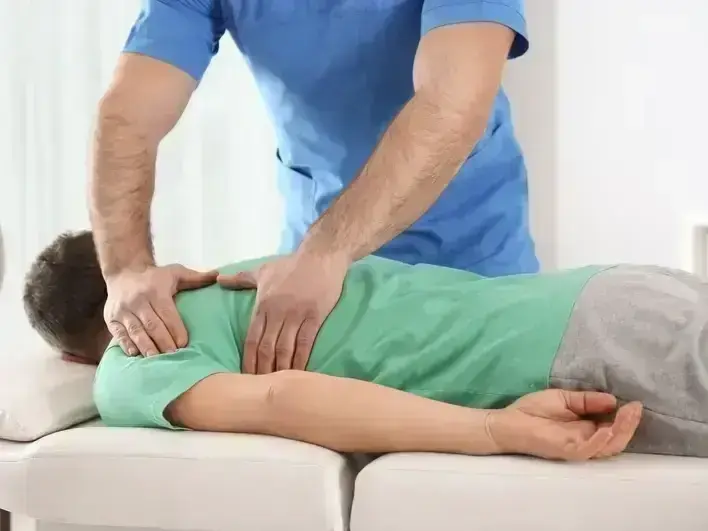
How to Evaluate Ligament Injury?

Related Concepts Compared

Ligament Injury vs. Tendon Injury

Tendons connect muscles to bones. While ligaments connect bones to bones. Tendon injuries often result from overuse, whereas ligament injuries typically come from sudden force.

Ligament Injury vs. Muscle Strain

Muscle strains involve damage to muscle fibers, causing pain and stiffness. Ligament injuries affect joint stability and often lead to swelling and bruising.

Expert Note

Ligament injuries often heal slowly due to limited blood supply to ligaments. Early, controlled movement—rather than complete rest—can improve recovery by promoting collagen alignment and preventing stiffness.

Common Mistakes or Myths About Ligament Injury

  • Ignoring a ligament injury, thinking it’s just a bruise or sore muscle.
  • Returning to sports or heavy activity too soon, risking re-injury.
  • Using heat instead of ice immediately after the injury, worsening swelling.
  • Assuming all ligament injuries require surgery—many heal with conservative care.
  • Skipping rehabilitation exercises, leading to long-term joint weakness.

Ligament Injury in Practice: A Real-World Example

A basketball player lands awkwardly after a jump, twisting their knee. They feel a pop, followed by immediate swelling and pain. An MRI confirms a torn ACL, requiring surgery and months of physical therapy to regain full strength and stability.

Sources & Further Reading on Ligament Injury

  • American Academy of Orthopaedic Surgeons
  • National Institute of Arthritis and Musculoskeletal and Skin Diseases
  • Mayo Clinic

Related Services

Related Terms

Herniated Disc

Herniated Disc is a spinal condition where the soft, jelly-like center of a spinal disc pushes through a tear in the tougher outer layer. This bulging material can press on nearby nerves, causing pain, numbness. Or weakness in the back, arms. Or legs. Herniated discs often occur in the lower back or neck and may result from aging, injury. Or strain.

Nerve Compression

Nerve Compression is a condition where surrounding tissues, such as bones, cartilage, muscles. Or tendons, press on a nerve. This pressure disrupts the nerve’s normal function, causing pain, tingling, numbness. Or weakness in the affected area. Nerve Compression can occur in various parts of the body, including the spine, wrists. And legs.

Physical Rehabilitation

Physical Rehabilitation is a structured process designed to help individuals regain strength, mobility. And function after injury, surgery. Or illness. Physical Rehabilitation uses exercises, manual techniques. And assistive tools to reduce pain, restore movement. And improve daily activities. It's often guided by healthcare professionals like chiropractors, physical therapists.

Chiropractic Adjustment

Chiropractic Adjustment is a precise manual procedure where a licensed chiropractor applies controlled force to a joint in the spine or other body part to improve alignment, reduce nerve irritation. And restore mobility. These adjustments are tailored to each patient’s condition and are a core treatment in chiropractic care for pain relief and functional improvement.

Manual Therapy

Manual Therapy is a hands-on treatment method used by chiropractors, physical therapists. And other healthcare providers to diagnose and treat musculoskeletal conditions. Manual Therapy involves skilled techniques like joint mobilization, soft tissue manipulation. And stretching to reduce pain, improve mobility. And restore function without surgery or medication.

Arrowhead Clinic Chiropractor

Have Questions About Ligament Injury?

Contact Arrowhead Clinic Chiropractor for practical guidance on Ligament Injury and related chiropractor work in Riverdale.

+1 678-605-9917