Understanding Diversified Technique
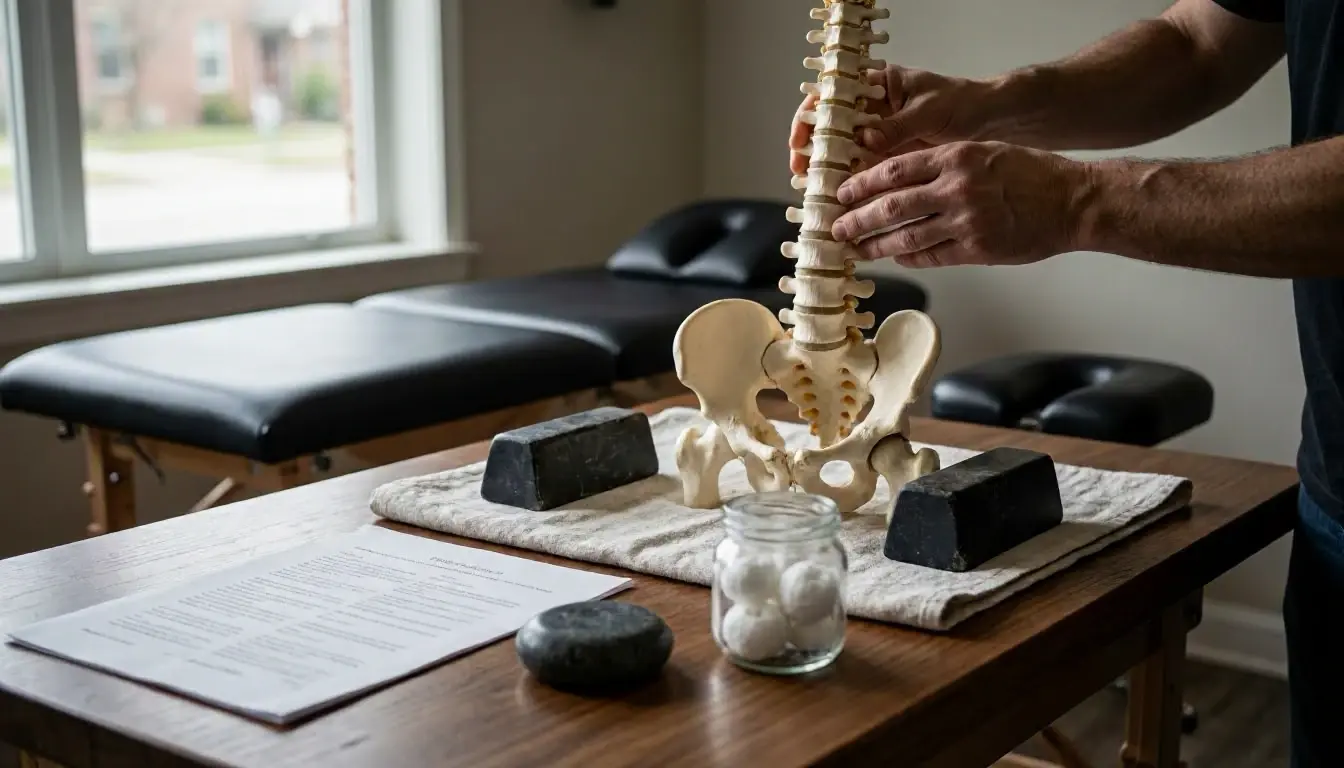
Diversified Technique is a cornerstone of chiropractic care and the most frequently taught and practiced adjustment method in the field. Developed as a full approach to spinal and joint manipulation, it focuses on restoring proper biomechanics and nervous system function. Unlike some specialized techniques that require additional tables or instruments, Diversified Technique relies primarily on the chiropractor's hands to deliver targeted adjustments.
Related glossary terms: Chiropractic Adjustment, Spinal Manipulation, Palpation.
The technique is named for its versatility, as it can be adapted to treat various regions of the spine and extremities. This adaptability makes it particularly useful for addressing a wide range of musculoskeletal conditions, from acute injuries to chronic pain patterns. The characteristic popping sound, known as cavitation, occurs when gas bubbles in the joint fluid are released during the adjustment. Though this sound is not necessary for the technique to be effective.
How Diversified Technique Works?
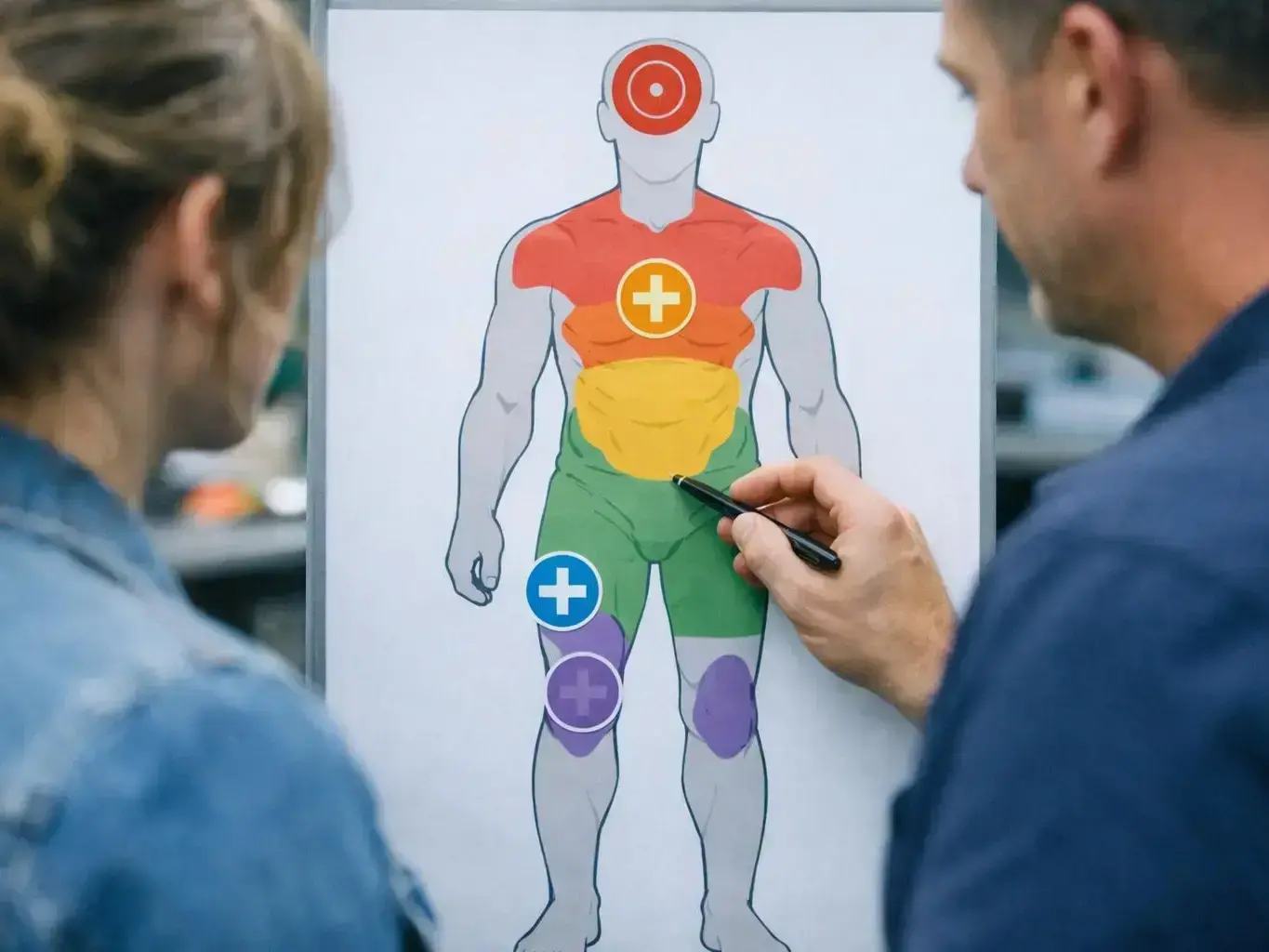
Diversified Technique involves a specific sequence of assessment and adjustment. First, the chiropractor performs a thorough examination, including palpation, range of motion testing. And sometimes orthopedic or neurological tests. This helps identify areas of joint dysfunction, often referred to as subluxations, where movement is restricted or alignment is compromised. The chiropractor then positions the patient to isolate the specific joint or spinal segment needing adjustment.
The actual adjustment consists of a high-velocity, low-amplitude (HVLA) thrust. This means the chiropractor applies a quick, controlled force with their hands to the affected joint. The force is precise and directed to move the joint just beyond its passive range of motion. But not far enough to cause injury. This movement helps restore normal joint mechanics, reduce pain. And improve function. The technique may be applied to the spine, shoulders, elbows, wrists, hips, knees. Or ankles, depending on the patient's needs.
Research has shown that spinal manipulation like Diversified Technique can help reduce pain, improve joint mobility. And decrease muscle tension. Some studies suggest it may also influence the nervous system, potentially affecting pain perception and muscle function. The technique is often combined with other therapies, such as soft tissue work, exercises. Or modalities like electrical stimulation, for full care.
Why Diversified Technique Matters?

Diversified Technique matters because it provides a reliable, effective method for addressing common musculoskeletal problems that affect millions of people. Back pain, neck pain. And headaches are leading causes of disability worldwide. And chiropractic care, including Diversified Technique, is recognized as a safe, non-invasive treatment option. For many patients, this technique offers relief without the need for medications or surgery, making it an attractive choice for those seeking natural healthcare solutions.
The technique's versatility also makes it valuable in various clinical situations. Whether treating an athlete with a sports injury, an office worker with postural strain. Or an older adult with joint stiffness, Diversified Technique can be adapted to suit different body types and conditions. Its widespread use and extensive training requirements ensure that patients receive care from chiropractors who are well-versed in proper application and safety protocols.
When Diversified Technique Matters Most?
Diversified Technique is particularly important in situations where joint dysfunction is contributing to pain, limited mobility. Or impaired function. Common scenarios include acute injuries, such as those from car accidents or sports, where joints may become misaligned or restricted. It's also frequently used for chronic conditions, like osteoarthritis or repetitive strain injuries, where joint mechanics have been compromised over time. And Diversified Technique can be beneficial for preventive care, helping to maintain spinal health and prevent future problems.
Patients may seek Diversified Technique when other treatments, such as medication or physical therapy, have not provided sufficient relief. It is also a common choice for those looking to avoid surgery or reduce their reliance on painkillers. But not all patients are candidates for this technique. Chiropractors assess each patient individually to determine if Diversified Technique is appropriate, considering factors like bone density, inflammatory conditions. Or recent surgeries that may require modified approaches.
In Riverdale, GA, where many residents lead active lifestyles or work in physically demanding jobs, Diversified Technique can play a key role in helping individuals recover from injuries and maintain their health. Whether addressing work-related strain, sports injuries. Or everyday wear and tear, this technique offers a practical solution for managing musculoskeletal conditions.