Understanding Orthopedic Testing
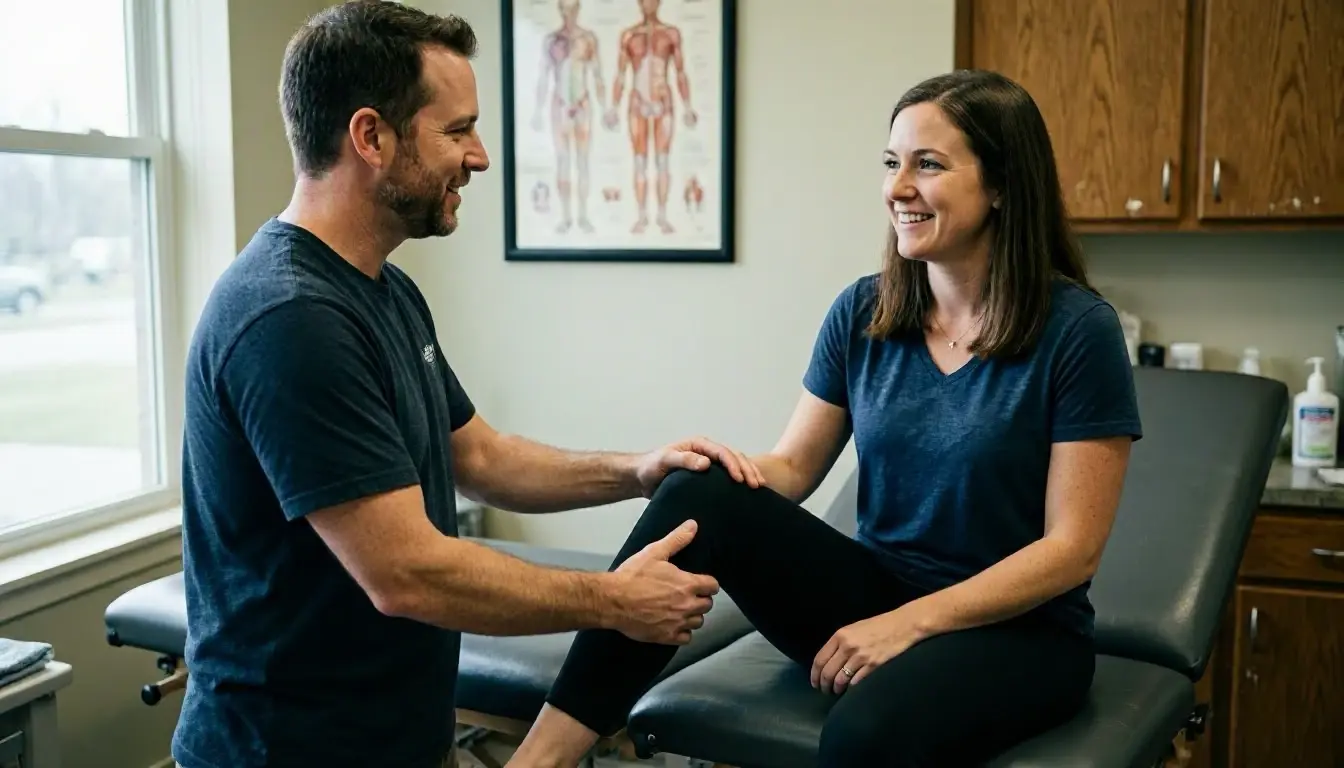
Orthopedic Testing refers to a series of physical examinations performed by chiropractors, physical therapists. And other musculoskeletal specialists. These tests are designed to assess the function and integrity of joints, muscles, ligaments, tendons. And nerves. Unlike imaging tests such as X-rays or MRIs, orthopedic tests rely on hands-on techniques to provoke or relieve symptoms, helping clinicians determine the root cause of pain, stiffness. Or limited movement. The goal is to gather immediate, actionable information that guides treatment decisions.
Related glossary terms: Palpation, Chiropractic, Joint Dysfunction.
During an orthopedic test, the clinician may ask the patient to move a joint in a specific way, resist pressure. Or hold a particular position. For example, a test for shoulder impingement might involve raising the arm while the clinician applies gentle pressure. If the movement reproduces the patient’s pain, it suggests a possible issue with the rotator cuff or surrounding structures. These tests are based on decades of clinical research and are widely used because they're non-invasive, cost-effective. And provide real-time feedback.
How Orthopedic Testing Works?
Orthopedic Testing follows a structured approach, beginning with a patient’s history and symptoms. The clinician first listens to the patient describe their pain, including when it started, what makes it worse or better. And how it affects daily activities. This information helps narrow down which tests are most relevant. For instance, if a patient reports pain radiating down their leg, the clinician might prioritize tests for sciatica or disc herniation.
For local customers, Once the clinician has a working hypothesis, they perform specific tests to confirm or rule out potential issues. Each test targets a particular structure or function. For example, the Straight Leg Raise test checks for nerve root irritation in the lower back by lifting the patient’s leg while they lie on their back. If pain shoots down the leg at a certain angle, it suggests nerve involvement. Other tests, like the Spurling test for neck pain, involve gently compressing the spine to see if it reproduces symptoms. The clinician observes the patient’s response, noting pain, weakness. Or limited range of motion.
Orthopedic tests are often performed in clusters, meaning multiple tests are used together to increase accuracy. A single test might suggest a problem. But combining it with others helps confirm the diagnosis. For example, a positive result on both the Hawkins test and the Neer test strengthens the likelihood of shoulder impingement. Clinicians also compare findings between the affected and unaffected sides of the body to identify asymmetries that may indicate dysfunction.
Why Orthopedic Testing Matters?

Orthopedic Testing plays a critical role in musculoskeletal care because it provides immediate, practical insights that imaging alone can't. While X-rays, MRIs. And ultrasounds show structural abnormalities, they don't always explain why a patient is experiencing pain or limited function. For example, an MRI might reveal a bulging disc in the spine. But it cannot tell whether that disc is actually pressing on a nerve. Orthopedic tests help bridge this gap by assessing how the body responds to movement and pressure, confirming whether a structural issue seen on imaging is clinically relevant.
These tests also help avoid unnecessary treatments or procedures. If an orthopedic test rules out nerve involvement, a patient may not need a costly MRI or invasive injections. Instead, they might benefit from conservative care like chiropractic adjustments, physical therapy. Or lifestyle modifications. In practice, this approach saves time, reduces healthcare costs. And minimizes the risk of overtreatment. And orthopedic tests empower patients by giving them a clearer understanding of their condition and how it can be managed.
When Orthopedic Testing Matters Most?
Orthopedic Testing is especially important in situations where pain or dysfunction is unclear, persistent. Or interfering with daily life. For example, after a car accident, a patient might experience neck pain. But imaging may not show any fractures or dislocations. Orthopedic tests can help identify soft-tissue injuries, joint dysfunctions. Or nerve irritation that imaging might miss. Similarly, athletes with overuse injuries, such as tendonitis or muscle strains, often benefit from these tests because they reveal functional limitations that imaging cannot capture.
These tests are also valuable for tracking progress during treatment. If a patient reports less pain after a few weeks of chiropractic care, repeating orthopedic tests can objectively confirm improvement. For instance, a patient with a positive Straight Leg Raise test at the initial visit might show a negative result after treatment, indicating reduced nerve irritation. Clinicians also use orthopedic tests to determine when a patient is ready to return to work, sports. Or other activities. For example, a runner recovering from a knee injury might need to pass specific orthopedic tests before resuming training to avoid reinjury.
Orthopedic Testing is particularly relevant for chiropractors in Riverdale, GA, where many patients seek care for work-related injuries, auto accidents. Or chronic pain. These tests help local clinicians tailor treatment plans to the unique needs of the community, ensuring patients receive accurate diagnoses and effective, non-surgical care.