Glossary

What is Adjustment?

Adjustment is a precise manual technique used by chiropractors to apply controlled force to a joint in the spine or other body parts. Adjustments aim to improve mobility, reduce pain. And restore proper function by correcting misalignments or restricted movement. This process is often accompanied by a popping sound caused by gas releasing from the joint.

Reviewed by Dr. Harry W. Brown, D.C.Sources reviewed: American Chiropractic Association, National Center for Complementary and Integrative Health

Quick Facts About Adjustment

Category

Chiropractic technique

Used for

Improving joint mobility and reducing pain

Common confusion

Adjustments are not the same as cracking your own knuckles

Also called

Spinal manipulation, Chiropractic adjustment

Often discussed with

Chiropractic Consultation and Diagnosis, Work Injury Treatment

Key Takeaways About Adjustment

Understanding Adjustment

Adjustment in Chiropractor—Riverdale

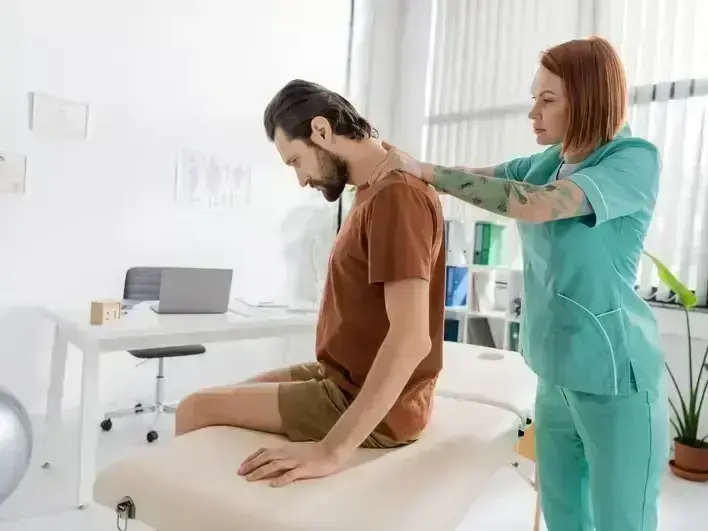
An adjustment is a key part of chiropractic (kye-roh-PRAK-tik) care. It's also called spinal manipulation. Chiropractors use their hands or small tools. They give a quick, controlled push to a joint.

Related glossary terms: Chiropractic, Spinal Alignment, Chiropractic Manipulation.

This push helps fix movement and alignment. It can lower pain. It can also help you move better. Adjustments are mostly done on the spine. But they can also help shoulders, hips. Or knees.

Adjustments don't hurt. Some people feel mild discomfort. This happens if muscles are tight or sore. A popping sound may happen during an adjustment. This sound is just gas bubbles leaving the joint. It's like cracking your knuckles.

This sound is safe. It doesn't mean the adjustment worked. The goal is to help joints move right. It's not just to make noise.

How Adjustment Works?

Chiropractors check your spine, joints. And posture first. They look for stiff or crooked spots. During an adjustment, they put you in a special position. This helps them work on the problem joint.

They use their hands or a tool. They give a quick push to the joint. This push helps line up the joint. It takes pressure off nerves. It also helps you move better.

The push is matched to your age, size. And health. For kids or older adults, it's softer. For athletes or people with long-term pain, it's firmer. Some chiropractors use other ways to adjust. These don't make the popping sound.

This can help people who don't like the sound. After an adjustment, many feel better right away. Some feel a little sore. This is like soreness after new exercise. It usually goes away in a day.

Chiropractors may add other treatments too. These can be stretches, exercises. Or advice. They help you heal and stay well.

Why Adjustment Matters?

Adjustments help chiropractic care work better. They fix the real problem. They don't just hide pain. When joints are crooked or stiff, they can bother nerves. This causes pain and tight muscles.

It also makes it hard to move. Adjustments help joints work right. This lets your body heal. You won't need as much medicine or surgery.

Studies show adjustments help with back pain, neck pain. And headaches. They also help some joint pain. For back pain, they work as well as other treatments. But they have fewer side effects. Adjustments help your posture too.

Good posture lowers stress on your spine. It stops future injuries. For athletes, adjustments help joints move better. They also help you recover faster after sports.

When Adjustment Matters Most?

Adjustments help after injuries. They help with long-term pain too. They help when stiff joints make daily tasks hard. After a car accident, they can fix whiplash. They can also fix crooked spots from the crash.

People with desk jobs get neck or back pain. Adjustments can help them too. Adjustments also help with sciatica (sy-AT-ih-kuh) or herniated discs. They help with osteoarthritis (os-tee-oh-arth-RY-tis) too.

In these cases, joints that are out of place make things worse. Chiropractors may add other treatments. These can be decompression or soft tissue work. This gives full care.

Adjustments can also stop future problems. They keep your spine healthy. Active people or those with tough jobs can use them. But adjustments aren't for everyone. People with some health issues can't have them.

These issues include severe osteoporosis (os-tee-oh-puh-ROH-sis). They also include spinal cord compression or inflammatory arthritis. A chiropractor will check you first. They will see if adjustments are safe for you.

How to Evaluate Adjustment?

Related Concepts Compared

Adjustment vs. Chiropractic Manipulation

Chiropractic manipulation is a broader term that includes any hands-on technique to improve joint function. While an adjustment is a specific type of manipulation involving a quick, controlled thrust.

Adjustment vs. Spinal Decompression

Spinal decompression uses traction to gently stretch the spine and relieve pressure on discs. While an adjustment applies a quick force to realign joints.

Expert Note

Adjustments are not one-size-fits-all. A skilled chiropractor will modify the technique based on the patient’s age, health. And comfort level to ensure safety and effectiveness. The goal is to restore function, not just create a popping sound.

Common Mistakes or Myths About Adjustment

  • Thinking adjustments are only for back pain—they can help joints throughout the body.
  • Assuming the popping sound is necessary for an adjustment to work—some effective techniques don’t make noise.
  • Believing adjustments are painful—most people feel relief, not pain, during the process.
  • Expecting one adjustment to solve all problems—healing often requires multiple sessions and complementary therapies.

Adjustment in Practice: A Real-World Example

After a long day at work, Sarah noticed stiffness and pain in her lower back. Her chiropractor performed an adjustment, applying a quick thrust to her lumbar spine. The popping sound was noticeable. But Sarah felt immediate relief in her mobility. Over the next few days, she experienced less pain and was able to move more freely.

Sources & Further Reading on Adjustment

  • American Chiropractic Association
  • National Center for Complementary and Integrative Health
  • Journal of Manipulative and Physiological Therapeutics

Related Services

Related Terms

Chiropractic

Chiropractic is a healthcare profession focused on diagnosing and treating musculoskeletal disorders, particularly those related to the spine. Chiropractors use hands-on spinal manipulation and other therapies to help the body heal itself without surgery or medication. The goal is to improve function, reduce pain. And support overall health by ensuring proper alignment of the body’s structure.

Spinal Alignment

Spinal Alignment is the proper positioning of the vertebrae in the spine, ensuring they're correctly stacked and balanced. This alignment supports optimal nerve function, posture. And movement while reducing stress on muscles, ligaments. And joints. Misalignment can cause pain, stiffness.

Chiropractic Manipulation

Chiropractic Manipulation is a hands-on treatment technique chiropractors use to apply controlled, sudden force to a spinal joint. The goal is to improve spinal motion, reduce nerve irritation. And restore function. Chiropractic Manipulation often produces a popping sound caused by gas releasing from the joint.

Manual Therapy

Manual Therapy is a hands-on treatment method used by chiropractors, physical therapists. And other healthcare providers to diagnose and treat musculoskeletal conditions. Manual Therapy involves skilled techniques like joint mobilization, soft tissue manipulation. And stretching to reduce pain, improve mobility. And restore function without surgery or medication.

Arrowhead Clinic Chiropractor

Have Questions About Adjustment?

Contact Arrowhead Clinic Chiropractor for practical guidance on Adjustment and related chiropractor work in Riverdale.

+1 678-605-9917