Understanding Back Pain
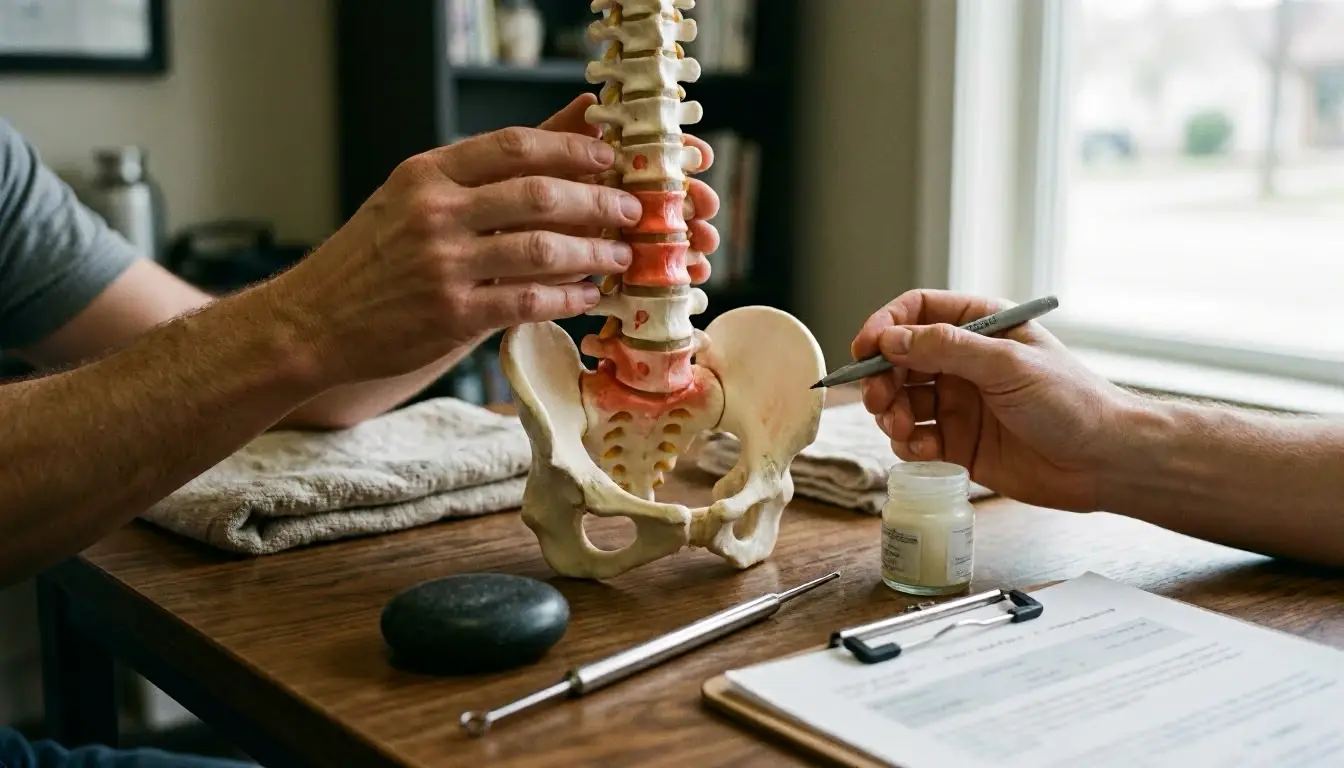
Back pain is a widespread condition that affects people of all ages and lifestyles. It refers to any discomfort, aching. Or stiffness felt along the spine, which runs from the base of the skull to the tailbone. The pain can be localized to one area, such as the lower back. Or spread across multiple regions, including the neck or mid-back. While back pain is often temporary and resolves with rest or self-care, it can also signal underlying issues like muscle imbalances, joint dysfunction. Or spinal misalignment. Understanding the nature of back pain helps individuals recognize when to seek help and how to manage symptoms effectively.
Related glossary terms: Low Back Pain, Disc Herniation, Joint Dysfunction.
Back pain is categorized based on its duration and cause. Acute back pain lasts a few days to weeks and is often linked to sudden movements, heavy lifting. Or minor injuries. Chronic back pain persists for three months or longer and may stem from conditions like arthritis, disc degeneration. Or repetitive stress. The intensity of back pain varies widely—some people experience mild discomfort. While others face severe pain that limits mobility. Identifying the type and cause of back pain is the first step toward finding relief and preventing future episodes.
How Back Pain Works?
The spine is a complex structure made up of bones (vertebrae), discs, muscles, ligaments. And nerves. When any part of this system is strained, injured. Or misaligned, it can lead to back pain. For example, muscle strain occurs when muscles or tendons are overstretched or torn, often due to poor posture, lifting heavy objects incorrectly. Or sudden movements. Joint dysfunction, such as stiffness or misalignment in the vertebrae, can also cause pain by irritating nearby nerves or restricting movement. Conditions like disc herniation, where the soft cushion between vertebrae bulges or ruptures, may press on nerves, leading to sharp or radiating pain.
Back pain can also result from everyday habits that place stress on the spine. Sitting for long periods, slouching while standing. Or sleeping on an unsupportive mattress can contribute to discomfort over time. In some cases, back pain is a symptom of underlying medical conditions, such as osteoarthritis, scoliosis. Or sciatica. Sciatica, for instance, occurs when the sciatic nerve—running from the lower back down the legs—becomes compressed, causing pain, numbness. Or tingling in the legs. Understanding how these mechanisms work helps individuals take steps to reduce risk factors and manage pain effectively.
Why Back Pain Matters?

Back pain is more than just an inconvenience, it can significantly impact quality of life. For many people, back pain interferes with daily activities, such as sitting at a desk, driving. Or even sleeping comfortably. Severe or chronic back pain may limit physical activity, leading to weakened muscles and reduced flexibility over time. The result is this can create a cycle where inactivity worsens the pain, making it harder to recover. And back pain is a leading cause of missed workdays and reduced productivity, affecting both individuals and employers. Addressing back pain early can help prevent long-term complications and improve overall well-being.
Beyond physical limitations, back pain can also take a toll on mental health. Chronic pain is linked to stress, anxiety. And depression, as the constant discomfort can disrupt sleep, mood. And daily routines. For some, back pain becomes a source of frustration, especially if it persists despite self-care efforts. Recognizing the broader impact of back pain underscores the importance of seeking appropriate care, whether through lifestyle changes, physical therapy. Or professional treatment. Early intervention can help individuals regain mobility, reduce pain. And maintain an active, fulfilling life.
When Back Pain Matters Most?
Back pain becomes particularly concerning in certain situations, such as when it follows an injury, accident. Or sudden trauma. For example, pain after a car accident, fall. Or sports injury may indicate a more serious issue, like a fracture, herniated disc. Or nerve damage. In these cases, seeking medical attention promptly is crucial to prevent further damage and ensure proper healing. Similarly, back pain accompanied by symptoms like numbness, tingling. Or weakness in the legs. Or loss of bladder or bowel control, requires immediate evaluation, as these may signal a medical emergency like cauda equina syndrome.
Back pain also matters most when it interferes with daily life or fails to improve with rest and self-care. If pain persists for more than a few weeks, worsens over time. Or spreads to other areas, it may indicate an underlying condition that needs professional assessment. For individuals with physically demanding jobs, chronic back pain can make it difficult to perform tasks safely, increasing the risk of further injury. In Riverdale, GA, where many residents lead active lifestyles, whether through work, sports. Or family activities, addressing back pain early can help maintain mobility and prevent long-term issues.
Many projects start with Preventing back pain involves adopting habits that support spinal health. Maintaining good posture, using proper lifting techniques. And incorporating regular exercise, such as stretching and strengthening the core, can reduce the risk of back pain. Ergonomic adjustments, like using a supportive chair or standing desk, can also help, especially for those who sit for long periods. For individuals already experiencing back pain, working with a healthcare provider to identify the cause and develop a personalized treatment plan can lead to lasting relief and improved function.