Glossary

What is Thompson Technique?

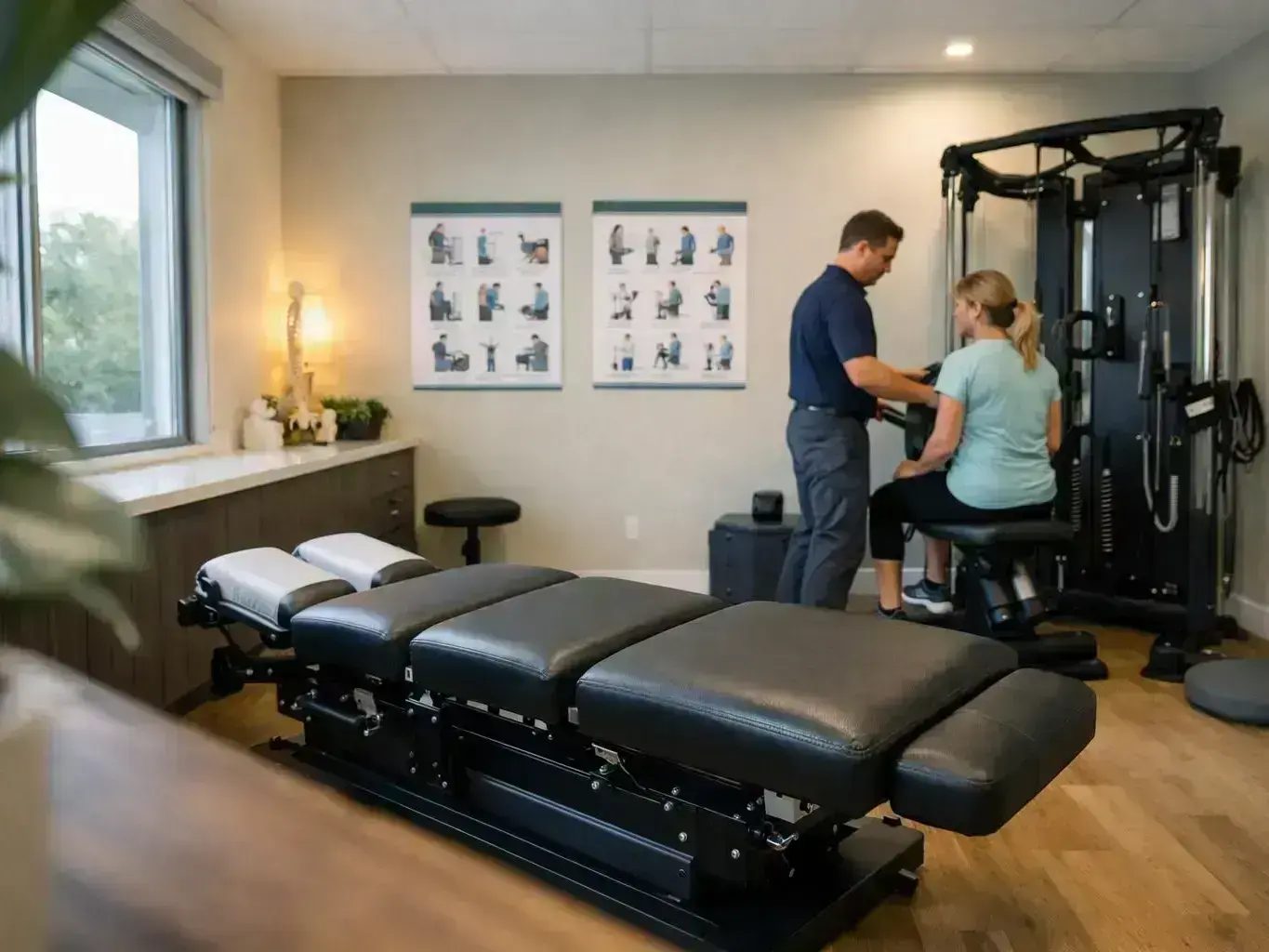
Thompson Technique is a chiropractic method that uses a specialized drop-table to gently adjust the spine and joints. Thompson Technique involves a quick, low-force thrust combined with the table’s dropping sections to improve alignment, reduce pain. And restore movement without heavy pressure or twisting.

Reviewed by ChiropractorRiverdale.comSources reviewed: American Chiropractic Association, International Chiropractors Association

Quick Facts About Thompson Technique

Category

Chiropractic adjustment technique

Used for

Spinal misalignments, joint pain. And restricted movement

Common confusion

Confused with Diversified Technique, which uses manual thrusts without a drop-table

Also called

Thompson Drop Technique, Drop Table Technique

Often discussed with

Chiropractic Consultation and Diagnosis

Key Takeaways About Thompson Technique

Understanding Thompson Technique

Thompson Technique in Chiropractor: Thompson Technique is a chiropractic method that uses a specialized drop-table to—visu...

Thompson Technique is a chiropractic approach designed to make spinal and joint adjustments more comfortable and precise. Unlike traditional manual adjustments that rely solely on the chiropractor’s hands, this method uses a specially designed table with sections that drop slightly during the adjustment. The dropping motion helps reduce the force needed to correct misalignments, making the process gentler for patients.

Related glossary terms: Chiropractic Adjustment, Diversified Technique, Gonstead Technique.

Developed by Dr. J. Clay Thompson in the 1950s, the technique was created to improve the efficiency and safety of chiropractic care. The drop-table mechanism works by supporting the patient’s body while allowing a small, controlled drop in specific areas. This drop occurs at the same time as a light thrust from the chiropractor, helping to guide the joint or vertebra into proper alignment. The combination of the drop and the thrust creates a smooth, effective adjustment with minimal discomfort.

How Thompson Technique Works?

The Thompson Technique follows a structured process to ensure accuracy and safety. First, the chiropractor performs a thorough assessment, including palpation (feeling the spine and joints) and sometimes X-rays or other imaging. This helps identify areas of misalignment or restricted movement. Once the problem areas are located, the patient lies on the drop-table, which is adjusted to target the specific joint or spinal segment.

A common issue is During the adjustment, the chiropractor applies a quick, light thrust to the targeted area. At the same moment, the corresponding section of the table drops slightly, assisting the adjustment. The dropping motion helps reduce resistance in the joint, allowing the correction to happen with less force. Patients often describe the sensation as a gentle tapping or light pressure, rather than the stronger thrusts used in other chiropractic techniques.

The drop-table itself is a key part of the Thompson Technique. The table is divided into sections that can be raised or lowered independently. Each section is designed to drop a short distance—usually less than an inch—when pressure is applied. This drop helps amplify the effect of the chiropractor’s thrust, making the adjustment more efficient. The technique is particularly useful for adjusting areas like the pelvis, lower back. And neck, where precise movements are important.

Why Thompson Technique Matters?
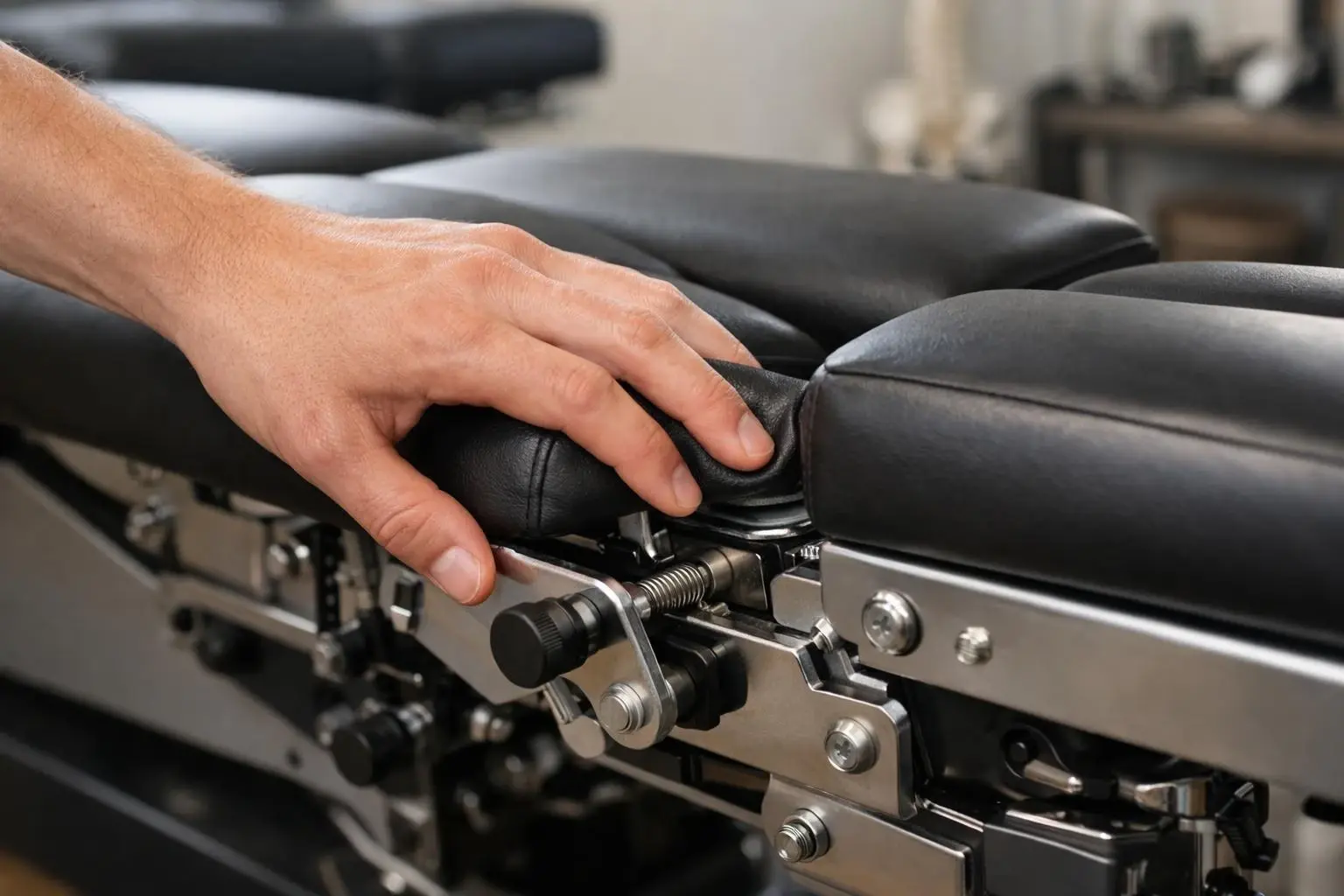
How Thompson Technique applies to Chiropractor services in Riverdale, United States—practical illustration

Thompson Technique offers several benefits for patients seeking chiropractic care. Because it uses less force than traditional adjustments, it's often a better option for people who are sensitive to manual manipulation. This includes patients with acute pain, older adults. Or those recovering from injuries. The technique’s precision also helps reduce the risk of over-adjusting or causing unnecessary strain on surrounding tissues.

Another advantage of the Thompson Technique is its versatility. It can be used to address a wide range of issues, including back pain, neck pain, headaches. And joint dysfunction. The drop-table mechanism allows chiropractors to target specific areas without affecting the rest of the spine, which is especially helpful for patients with localized pain or stiffness. And the technique is often faster than manual adjustments, making it a practical choice for busy patients who need efficient care.

When Thompson Technique Matters Most?

Thompson Technique is particularly useful in situations where traditional chiropractic adjustments might be too intense or uncomfortable. For example, patients with osteoporosis, arthritis. Or recent injuries may benefit from the gentler approach. The technique is also commonly used for children and older adults, who may have more fragile bones or joints. Because the drop-table reduces the need for strong manual pressure, it can help these patients receive adjustments safely and effectively.

The Thompson Technique is also valuable for patients who experience anxiety about chiropractic care. The gentle, controlled movements of the drop-table can make the adjustment process feel less intimidating. And the technique is often used in cases where precise targeting is necessary, such as adjusting the sacroiliac (SI) joint or correcting a rotated pelvis. By focusing on specific areas, chiropractors can help patients achieve better alignment and pain relief without unnecessary force.

How to Evaluate Thompson Technique?

Related Concepts Compared

Thompson Technique vs. Diversified Technique

Diversified Technique relies on manual thrusts without a drop-table, often requiring more force than Thompson Technique.

Thompson Technique vs. Gonstead Technique

Gonstead Technique focuses on precise manual adjustments using detailed analysis. While Thompson Technique uses a drop-table to assist the adjustment.

Expert Note

Thompson Technique is especially effective for patients who need gentle adjustments but still require precise corrections. The drop-table’s assistive motion reduces the need for strong manual force, making it a versatile option for sensitive or complex cases.

Common Mistakes or Myths About Thompson Technique

  • Assuming Thompson Technique is the same as traditional manual adjustments—it uses a drop-table for assistance.
  • Believing the drop-table does all the work—chiropractors still apply precise thrusts during the adjustment.
  • Thinking the technique is only for severe pain—it’s also used for minor misalignments and preventive care.

Thompson Technique in Practice: A Real-World Example

A patient with chronic lower back pain visits a chiropractor. After an assessment, the chiropractor uses the Thompson Technique to adjust the patient’s pelvis. The drop-table’s motion helps align the pelvis with minimal pressure, reducing pain and improving mobility after just a few sessions.

Related Services

Related Terms

Chiropractic Adjustment

Chiropractic Adjustment is a precise, hands-on procedure chiropractors use to apply controlled force to a joint in the spine or other body part. The goal is to improve alignment, reduce nerve irritation. And restore normal movement. Adjustments are often done manually but may also use small instruments. They're a core treatment in chiropractic care for pain relief and function improvement.

Diversified Technique

Diversified Technique is the most widely used chiropractic adjustment method. It involves precise, hands-on thrusts to restore proper spinal alignment and joint function. Diversified Technique is known for its high-velocity, low-amplitude (HVLA) movements that produce the characteristic popping sound. Or cavitation, often associated with chiropractic care.

Gonstead Technique

Gonstead Technique is a precise, hands-on chiropractic method developed by Dr. Clarence Gonstead in the 1920s. It focuses on analyzing spinal misalignments through specific palpation, X-ray imaging. And motion assessment to deliver targeted adjustments that restore proper joint function and reduce nerve interference.

Spinal Manipulation

Spinal Manipulation is a hands-on therapy where a trained provider applies controlled force to a joint in the spine. The goal is to improve spinal motion, reduce pain. And help the body function better. It's most often done by chiropractors, osteopaths.

Joint Dysfunction

Joint Dysfunction is a condition where a joint in the body moves improperly or loses its normal range of motion. It often causes pain, stiffness. Or swelling and may result from injury, overuse, poor posture. Or underlying health issues like arthritis. Joint Dysfunction can affect any joint, including the spine, knees, shoulders.

ChiropractorRiverdale.com

Have Questions About Thompson Technique?

Contact ChiropractorRiverdale.com for practical guidance on Thompson Technique and related chiropractor work in Riverdale.

+1 678-605-9917