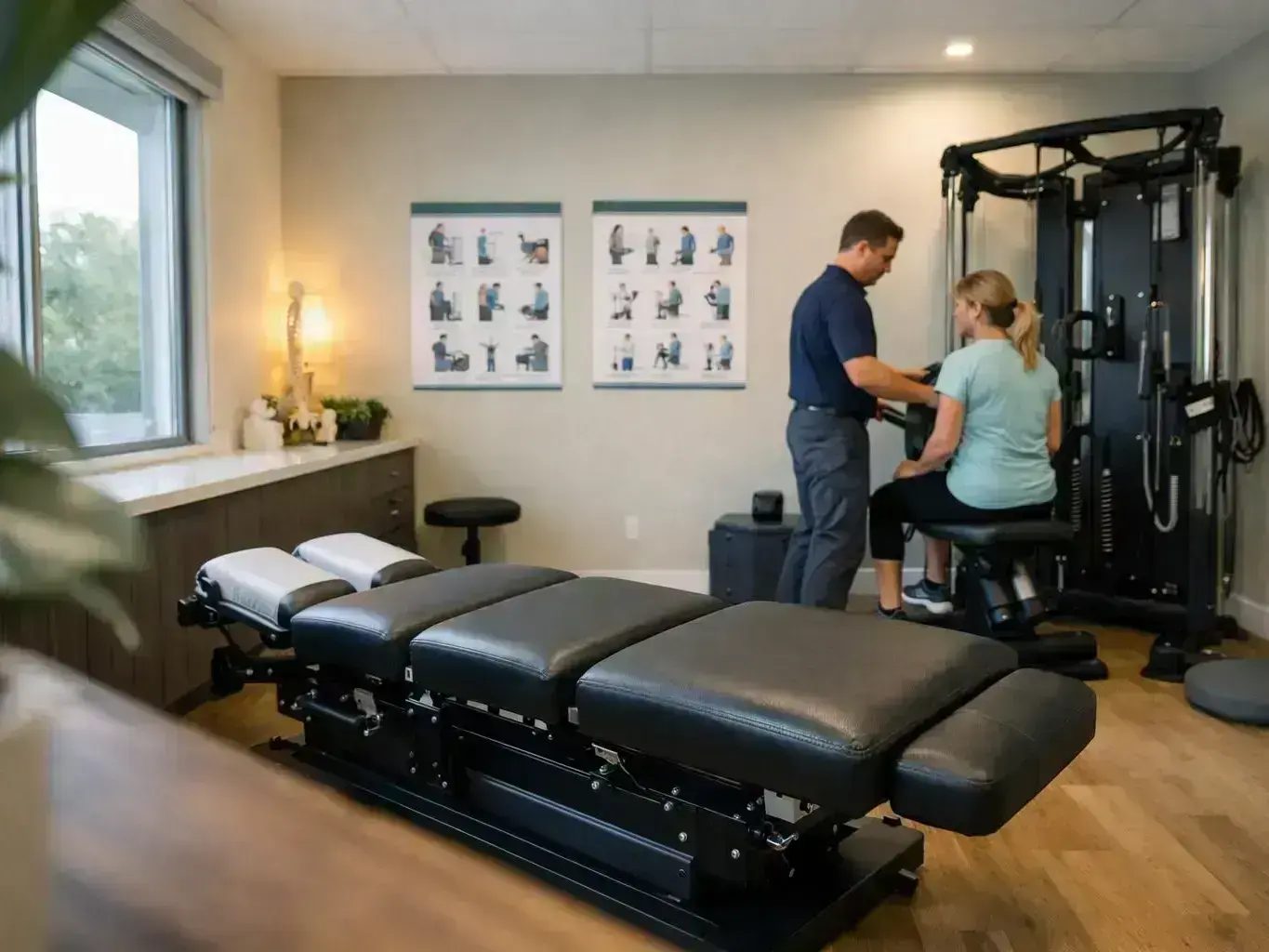
Trigger Point Therapy is a manual treatment method that targets tight, painful knots in muscles called trigger points. These knots can cause localized pain or refer pain to other areas of the body. The therapy involves applying focused pressure to these points to release tension, improve blood flow. And restore normal muscle function, often providing relief from chronic or acute muscle pain.
Category
Soft tissue therapy
Used for
Muscle pain, stiffness. And referred pain
Common confusion
Often mistaken for massage. But targets specific knots
Also called
Trigger Point Treatment, Myofascial Trigger Point Therapy
Often discussed with
Chiropractic Consultation and Diagnosis, Sports Injury Chiropractic Care

Trigger Point Therapy finds and treats tiny, tight spots in muscles. These spots are called trigger points.
Related glossary terms: Myofascial Release, Soft Tissue Therapy, Chiropractic Adjustment.
Muscles get these knots when they work too hard. They can also get them from injuries. The knots cause pain, stiffness. Or trouble moving.
This therapy works on the knots. It doesn't work on big muscle groups like regular massage. It helps ease pain and helps muscles work right again.
Knots can form from doing the same motion over and over. Bad posture or stress can cause them too. They can also come from using muscles too much.
Sometimes, the pain shows up in a different place. A knot in your shoulder might cause a headache. It might also cause pain down your arm.
This therapy helps stop the pain cycle. It loosens the knot and helps blood flow better.
The therapist finds the knots by touching your muscles. This is called palpation (gentle touching). They press on the knot with fingers or tools.
The pressure lasts a few seconds. It lasts until the muscle starts to relax. It might hurt a little. But it often helps right away.
Some therapists add stretching. They might guide you to move in certain ways. This helps your muscle get back to normal.
The goal is to loosen the knot. It also helps blood flow better. Then your muscle can work without pain.
You might feel sore after. It's like after a deep massage. The soreness usually goes away in a day or two.
This therapy often works with other treatments. These can be chiropractic (back) adjustments or stretches. They help fix what causes the muscle tension.
If bad posture causes knots, adjustments can help. They can stop new knots from forming.

Muscle pain makes daily tasks hard. You might struggle to sit, stand. Or move. Trigger Point Therapy can help.
It finds the exact spot causing pain. It doesn't just cover up symptoms. It helps you move better and feel less pain.
This therapy helps people with long-term pain. It can help with headaches, back pain. Or injuries from repeating motions.
It also helps after sports injuries or accidents. It speeds up healing. It stops muscles from getting too tight.
Medicine only helps for a short time. This therapy fixes the real problem. That gives longer-lasting help.
This therapy helps if rest or stretching don't ease pain. It works for neck pain, shoulder tightness. Or back pain.
It also helps headaches from tight muscles. Athletes use it for knots from hard workouts.
In Riverdale, GA, many people sit a lot for work. Others do the same motions over and over. This therapy can help with the tightness that causes.
It also helps after injuries like car accidents. It stops chronic pain from starting. It helps you move better.
You might feel better after one session. But you often need more for lasting help. This is true for long-term problems.
Mix this therapy with other chiropractic care. That can help even more. It supports muscle health for a long time.
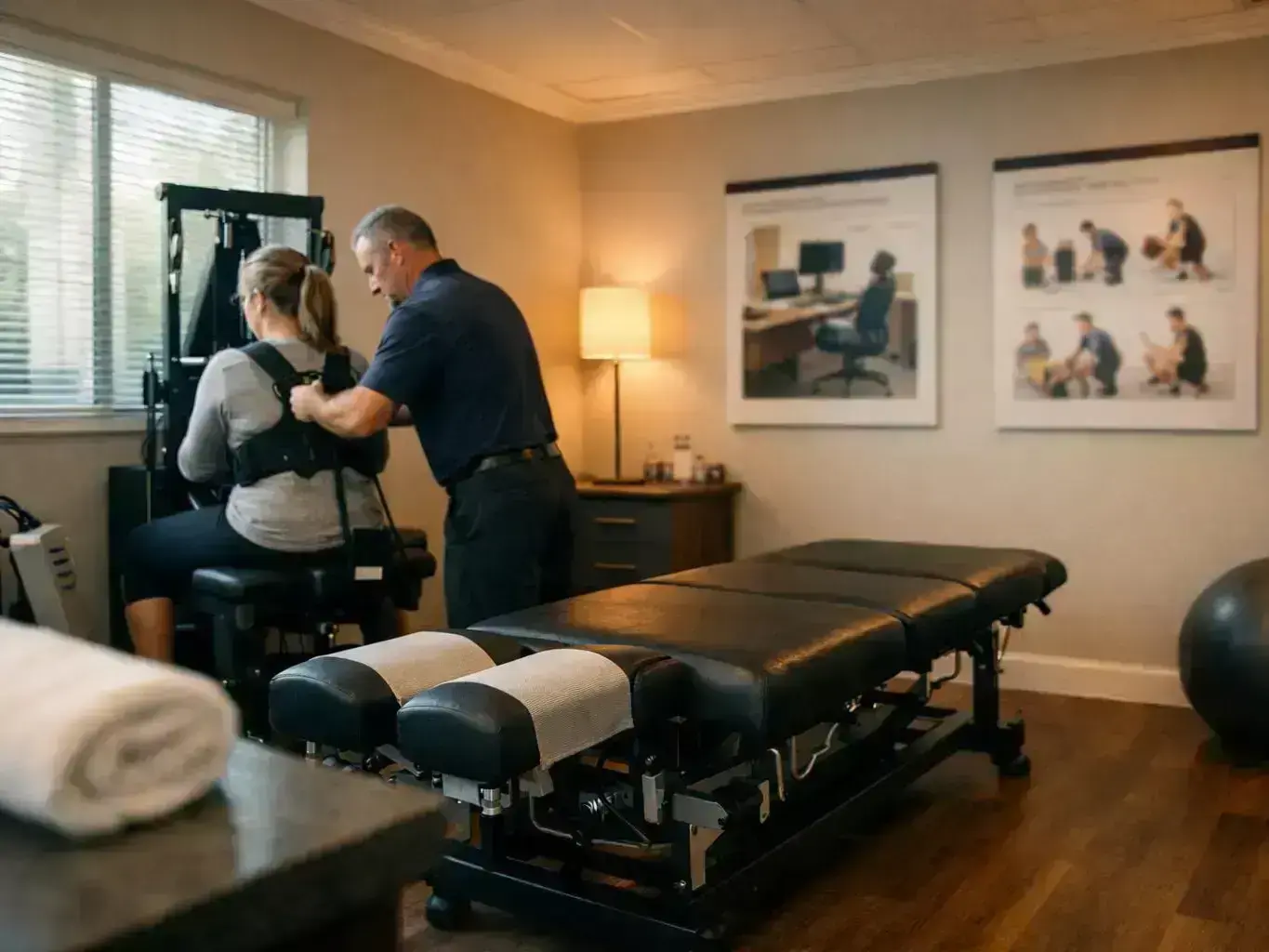
Myofascial Release targets the connective tissue (fascia) surrounding muscles. While Trigger Point Therapy focuses on specific muscle knots.
Massage Therapy works on broader muscle groups for relaxation, whereas Trigger Point Therapy targets specific painful knots.
Chiropractic Adjustments focus on joint alignment. While Trigger Point Therapy addresses muscle tension and knots.
Trigger Point Therapy works best when combined with active patient participation, such as stretching or posture exercises. While pressure on knots can be uncomfortable, it should never cause sharp or radiating pain—if it does, the technique may need adjustment.
A patient visits a chiropractor in Riverdale, GA, complaining of tension headaches. After an examination, the provider identifies trigger points in the neck and shoulders. Using Trigger Point Therapy, the provider applies pressure to these knots, releasing tension and reducing headache frequency over several sessions.
Myofascial Release is a hands-on therapy that gently stretches and loosens the fascia, the thin layer of connective tissue surrounding muscles, bones. And organs. This technique helps reduce pain, improve movement. And restore function by releasing tightness or restrictions in the fascia caused by injury, stress. Or poor posture.
Soft Tissue Therapy is a hands-on treatment method that targets muscles, tendons, ligaments. And fascia to reduce pain, improve mobility. And promote healing. Soft Tissue Therapy uses techniques like massage, stretching. And pressure to break up scar tissue, release tension. And restore normal function in injured or overused areas.
Chiropractic Adjustment is a precise, hands-on procedure chiropractors use to apply controlled force to a joint in the spine or other body part. The goal is to improve alignment, reduce nerve irritation. And restore normal movement. Adjustments are often done manually but may also use small instruments. They're a core treatment in chiropractic care for pain relief and function improvement.
Palpation is a hands-on examination technique used by chiropractors and other healthcare providers to assess the condition of muscles, joints. And soft tissues. Palpation involves using the fingers or hands to feel for tenderness, swelling, temperature changes. Or abnormal movement, helping diagnose issues like misalignments, muscle tension. Or inflammation.
Chronic Pain is persistent discomfort lasting three months or longer, even after the original injury or illness has healed. Chronic Pain can stem from conditions like arthritis, nerve damage. Or back problems. And often interferes with daily activities, sleep. And overall quality of life. Unlike short-term pain, it requires ongoing management rather than a quick cure.
ChiropractorRiverdale.com
Contact ChiropractorRiverdale.com for practical guidance on Trigger Point Therapy and related chiropractor work in Riverdale.