Glossary

What is Myofascial Release?

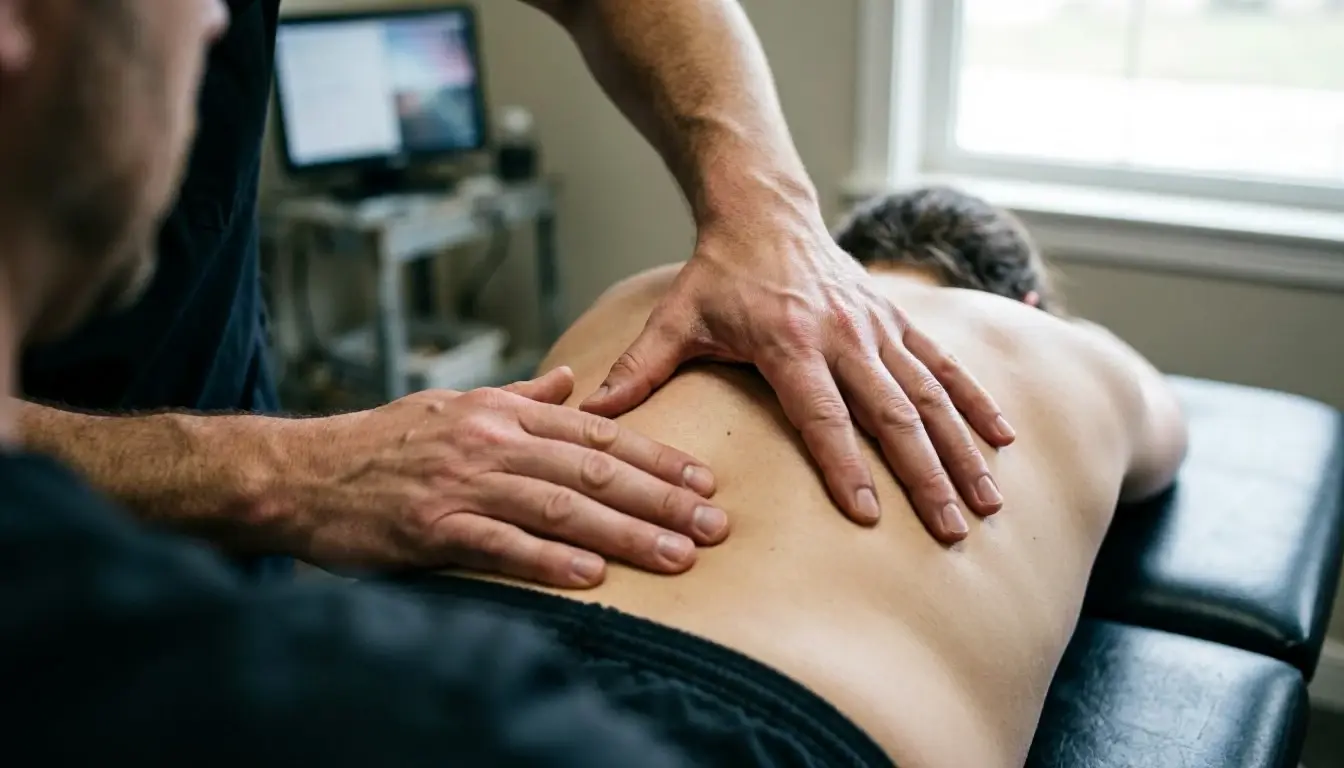
Myofascial Release is a hands-on therapy technique that targets tightness and pain in the myofascial tissues—thin, strong layers of connective tissue surrounding muscles, bones. And organs. By applying gentle, sustained pressure, this method helps release tension, improve mobility. And reduce discomfort caused by restricted fascia.

Reviewed by Dr. Harry W. Brown, D.C.Sources reviewed: National Center for Complementary and Integrative Health (NCCIH), American Physical Therapy Association (APTA)

Quick Facts About Myofascial Release

Category

Manual therapy technique

Used for

Chronic pain, stiffness, post-injury recovery. And restricted movement

Common confusion

Often mistaken for deep tissue massage. But focuses on fascia, not muscle fibers

Also called

MFR, Fascial Release

Often discussed with

Chiropractic Consultation and Diagnosis, Car Accident Injury Rehabilitation

Key Takeaways About Myofascial Release

Understanding Myofascial Release

Myofascial Release in Chiropractor—Riverdale

Myofascial Release is a specialized form of manual therapy that addresses the fascia, a continuous web of connective tissue that wraps around every muscle, bone, nerve. And organ in the body. Unlike muscles, which contract and relax, fascia is designed to support, protect. And connect structures. When fascia becomes tight or restricted—due to injury, overuse, poor posture. Or inflammation—it can create pain, limit movement. And even affect posture. Myofascial Release works by applying gentle, prolonged pressure to these restricted areas, helping the fascia return to a more flexible, relaxed state.

Related glossary terms: Soft Tissue Therapy, Chiropractic, Trigger Point Therapy.

This technique is different from traditional massage, which primarily targets muscle tissue. While massage may focus on kneading or rubbing muscles to relieve tension, Myofascial Release aims to stretch and lengthen the fascia itself. The pressure used is typically slow and deliberate, allowing the therapist to feel for areas of tightness and work through them gradually. Because fascia is interconnected throughout the body, tension in one area can affect other parts. So the therapy often addresses multiple regions to restore balance.

How Myofascial Release Works?

Myofascial Release works by breaking down adhesions—sticky, fibrous bands that form within the fascia - and restoring its natural elasticity. When fascia is healthy, it glides smoothly over muscles and other structures, allowing for pain-free movement. But trauma, repetitive stress. Or prolonged immobility can cause the fascia to become stiff and thickened, leading to discomfort and reduced range of motion. During a session, a therapist uses their hands to identify tight or restricted areas, then applies sustained pressure to encourage the fascia to release and soften.

The process often involves a combination of direct and indirect techniques. Direct Myofascial Release applies pressure directly into the restricted tissue. While indirect methods use gentle stretching to encourage the fascia to unwind on its own. Both approaches aim to improve circulation, reduce inflammation. And promote healing. Patients may feel a stretching or warming sensation as the tissue releases. And some report immediate improvements in flexibility and pain levels. But multiple sessions are usually needed for lasting results, especially for chronic conditions.

Self-care techniques, such as using a foam roller or tennis ball to apply pressure to tight areas, can also support Myofascial Release between professional sessions. These tools help maintain mobility and prevent fascia from becoming overly restricted. But working with a trained therapist is recommended for deeper or more complex restrictions, as improper technique can sometimes worsen tension or cause injury.

Why Myofascial Release Matters?

Myofascial Release matters because fascia plays a critical role in how the body moves, feels. And functions. When fascia is healthy, it supports efficient movement, reduces strain on muscles and joints. And helps distribute force evenly during physical activity. But when fascia becomes restricted, it can lead to a cascade of problems, including chronic pain, poor posture. And increased risk of injury. For example, tight fascia in the lower back can contribute to sciatica. While restrictions in the shoulders can limit arm movement and cause tension headaches. By addressing these restrictions, Myofascial Release can help alleviate pain and improve overall mobility.

Beyond pain relief, Myofascial Release can also boost athletic performance and recovery. Athletes often use this technique to reduce muscle soreness, improve flexibility. And prevent injuries caused by overuse or repetitive motions. And it can be beneficial for people recovering from surgery or accidents, as scar tissue and adhesions can form in the fascia during healing. By breaking down these adhesions, Myofascial Release helps restore normal movement patterns and reduces the risk of long-term complications.

When Myofascial Release Matters Most?

Myofascial Release is particularly valuable in situations where pain or stiffness persists despite other treatments. For example, someone with chronic back pain who has tried massage, stretching. Or medication without relief may find that Myofascial Release targets the root cause, restricted fascia - rather than just the symptoms. It's also helpful for people recovering from injuries, such as whiplash, sprains. Or fractures, where scar tissue and adhesions can limit recovery. And individuals with conditions like fibromyalgia, plantar fasciitis. Or carpal tunnel syndrome often benefit from this technique, as it addresses the fascial restrictions contributing to their symptoms.

Another key situation where Myofascial Release matters is in preventive care. Regular sessions can help maintain fascial health, reducing the risk of injuries and improving overall mobility. That means especially important for people with sedentary lifestyles, repetitive job tasks. Or high-stress levels, as these factors can contribute to fascial tightness over time. For athletes or active individuals, incorporating Myofascial Release into a training routine can boost performance and speed up recovery between workouts. Ultimately, this therapy is a versatile tool for anyone looking to improve movement, reduce pain. And support long-term musculoskeletal health.

How to Evaluate Myofascial Release?

Related Concepts Compared

Myofascial Release vs. Deep Tissue Massage

Deep Tissue Massage focuses on relieving tension in muscle fibers using firm pressure. While Myofascial Release targets the fascia, the connective tissue surrounding muscles, with sustained, gentle stretching.

Myofascial Release vs. Trigger Point Therapy

Trigger Point Therapy applies pressure to specific tight knots in muscles to relieve pain, whereas Myofascial Release works on the broader fascial network to improve overall mobility and reduce restrictions.

Expert Note

Fascia responds best to slow, consistent pressure rather than forceful manipulation. Overworking restricted areas can sometimes increase tension. So patience and gradual progress are key to effective Myofascial Release.

Common Mistakes or Myths About Myofascial Release

  • Assuming Myofascial Release is the same as massage—it targets fascia, not muscle fibers.
  • Expecting immediate results after one session—fascial restrictions often require multiple treatments.
  • Using too much pressure during self-care, which can worsen tension instead of releasing it.
  • Focusing only on the painful area—fascia is interconnected. So restrictions elsewhere may contribute to the problem.

Myofascial Release in Practice: A Real-World Example

After a car accident, a patient experiences ongoing neck stiffness and headaches. Traditional massage provides temporary relief. But the stiffness returns within days. A chiropractor trained in Myofascial Release identifies fascial restrictions in the neck and upper back, applying gentle pressure to release the tightness. Over several sessions, the patient notices improved range of motion and fewer headaches, as the fascia returns to a more relaxed state.

Sources & Further Reading on Myofascial Release

  • National Center for Complementary and Integrative Health (NCCIH)
  • American Physical Therapy Association (APTA)
  • Journal of Bodywork and Movement Therapies

Related Services

Related Terms

Soft Tissue Therapy

Soft Tissue Therapy is a hands-on treatment method that targets muscles, tendons, ligaments. And fascia to reduce pain, improve mobility. And speed healing. Soft Tissue Therapy uses techniques like massage, stretching. And pressure to break up scar tissue, release tension.

Chiropractic

Chiropractic is a healthcare profession focused on diagnosing and treating musculoskeletal disorders, particularly those related to the spine. Chiropractors use hands-on spinal manipulation and other therapies to help the body heal itself without surgery or medication. The goal is to improve function, reduce pain. And support overall health by ensuring proper alignment of the body’s structure.

Trigger Point Therapy

Trigger Point Therapy is a manual treatment method that targets tight knots in muscles, called trigger points, which cause pain and stiffness. These knots form when muscle fibers contract and fail to release, often due to injury, overuse. Or stress. The therapy uses focused pressure, stretching. Or massage to relax the muscle, improve blood flow.

Manual Therapy

Manual Therapy is a hands-on treatment method used by chiropractors, physical therapists. And other healthcare providers to diagnose and treat musculoskeletal conditions. Manual Therapy involves skilled techniques like joint mobilization, soft tissue manipulation. And stretching to reduce pain, improve mobility. And restore function without surgery or medication.

Physical Rehabilitation

Physical Rehabilitation is a structured process designed to help individuals regain strength, mobility. And function after injury, surgery. Or illness. Physical Rehabilitation uses exercises, manual techniques. And assistive tools to reduce pain, restore movement. And improve daily activities. It's often guided by healthcare professionals like chiropractors, physical therapists.

Arrowhead Clinic Chiropractor

Have Questions About Myofascial Release?

Contact Arrowhead Clinic Chiropractor for practical guidance on Myofascial Release and related chiropractor work in Riverdale.

+1 678-605-9917