Understanding Soft Tissue Therapy
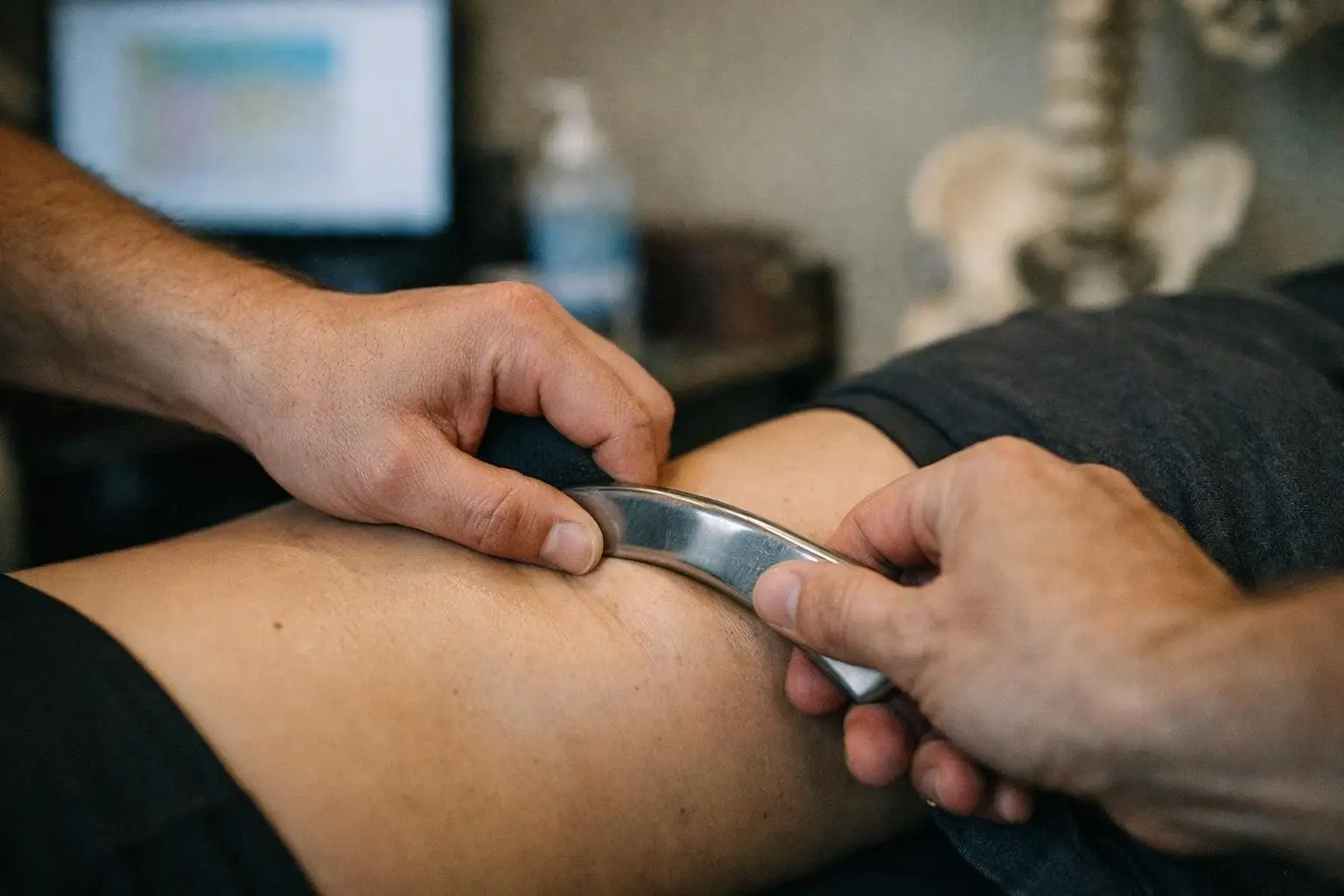
Soft Tissue Therapy works on muscles and other soft parts. These parts include tendons, ligaments. And fascia (connective tissue).
Related glossary terms: Myofascial Release, Trigger Point Therapy, Chiropractic.
It's not like chiropractic care. Chiropractic care focuses on bones and joints. Soft Tissue Therapy helps the parts that help you move.
These parts can get tight or hurt. This happens from injuries, overuse, bad posture. Or stress. The goal is to ease pain and help you move better.
It also helps your body heal. Healing happens naturally after treatment.
Many think it's just a massage. But it's more than that. It's a clinical (medical) way to treat problems.
Therapists use special methods. They treat scar tissue, muscle knots. And poor blood flow. Many experts use this therapy.
Chiropractors, physical therapists. And sports doctors use it. They help patients heal from injuries. They also help with long-term pain and stop future problems.
How Soft Tissue Therapy Works?
Soft Tissue Therapy uses hands-on methods. These methods treat soft tissue problems.
One method is myofascial release. The therapist presses gently on tight spots. This helps the fascia (connective tissue) relax.
Another method is trigger point therapy. It treats small, painful knots in muscles. These knots can cause pain in other body parts.
Therapists may use deep tissue massage too. They also use stretching and friction. These help break up scar tissue and improve blood flow.
The process starts with a check-up. The therapist looks for tight, weak. Or hurt areas. Then they treat those spots.
They may press, stretch. Or use other methods. This helps the tissue relax and heal. Sessions last 15 to 60 minutes. This depends on what you need.
Many feel better right away. Some may feel sore for a short time. This is normal as your body adjusts.
Why Soft Tissue Therapy Matters?
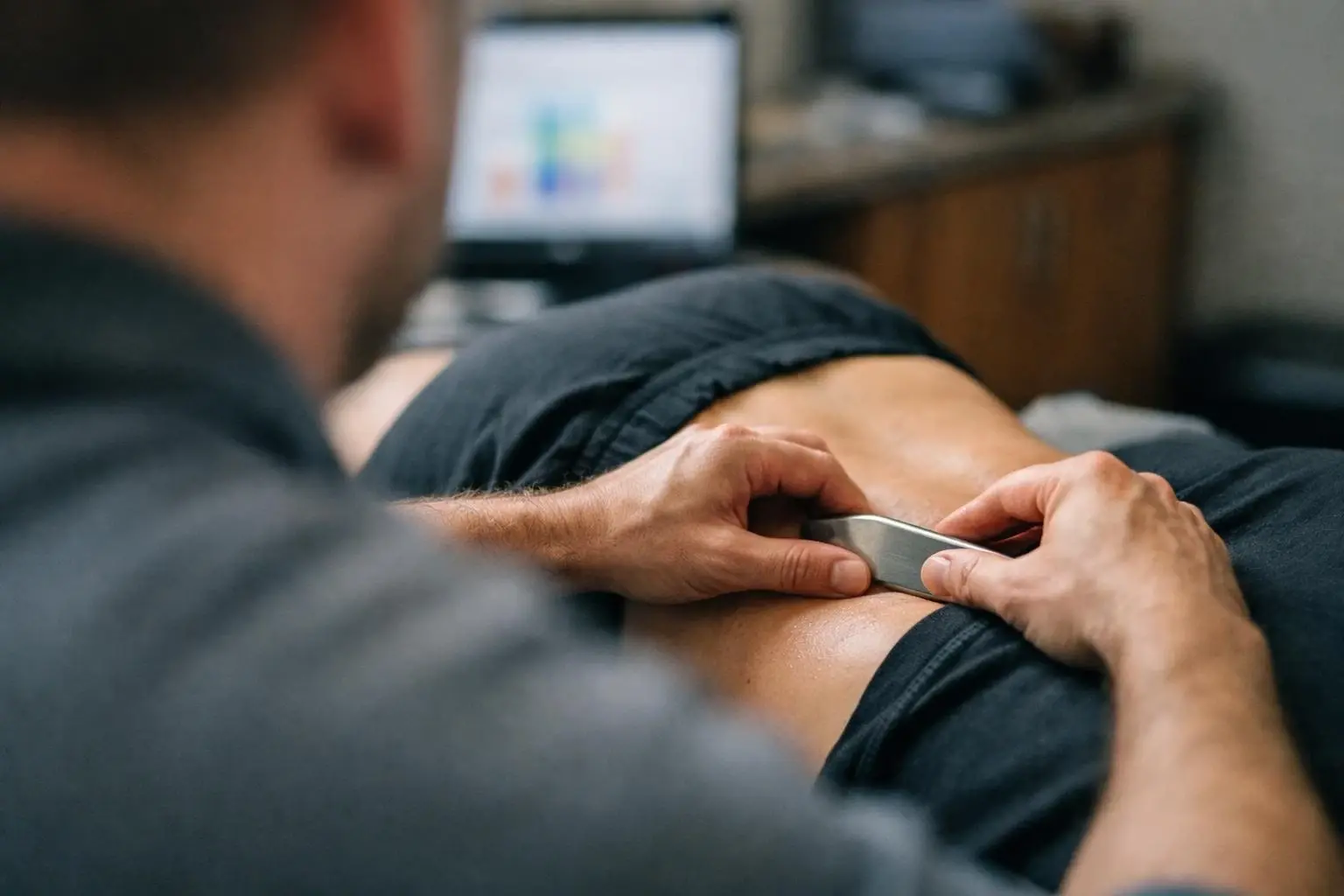
Soft Tissue Therapy helps your muscles and joints. Tight or hurt tissues can pull on joints. This can limit movement and cause pain.
If not treated, these problems can get worse. They can lead to long-term issues. Examples are tendinitis, muscle strains. Or joint problems.
Treating these issues early helps a lot. It can stop long-term damage. It may also cut down on medicine or surgery needs.
This therapy helps many people. It helps athletes, office workers. And those healing from injuries. They can get back to normal activities faster.
Runners with tight legs can benefit. So can workers with stiff shoulders. Regular sessions help them feel better.
This therapy works well with other treatments. It's often used with chiropractic care and physical therapy. It also works with exercise programs.
Together, they help you recover and stay well.
When Soft Tissue Therapy Matters Most?
Soft Tissue Therapy helps in many cases. People healing from sports injuries use it. So do those hurt in car accidents or at work.
It helps them heal faster. It's also good for long-term pain. Examples are back pain, neck pain. Or headaches.
Headaches can come from tight muscles. Athletes use this therapy too. It keeps their muscles flexible and strong.
This helps them avoid injuries. It also helps them perform better.
People with bad posture can benefit. So can those with repetitive strain injuries. These happen from doing the same motions over and over.
Sitting at a desk all day can cause problems. So can repeating the same tasks. This therapy helps ease that tension.
It teaches your body to move better. It's also good for those who want to avoid medicine. It helps people heal after surgery too.