Understanding Chronic Pain
Pain that lasts over three months is called Chronic Pain. It doesn't go away like short-term pain. Short-term pain means your body is healing.
Related glossary terms: Acute Pain, Back Pain, Neck Pain.
Chronic Pain can feel sharp or dull. It may burn or ache. It can come and go or stay all the time.
This pain can change how you move, work. And sleep. It can make life less fun. Many things cause Chronic Pain.
Back problems, arthritis. And nerve damage can lead to it. Old injuries can too.
Doctors treat Chronic Pain differently. They don't just try to cure it. They help you manage it instead.
This keeps you active and comfortable. Pain scales help doctors understand your pain.
They ask about your health history. They do physical exams too. X-rays or MRIs may be used.
These tests check bones, joints. Or nerves. Chronic Pain affects both body and feelings.
Treatment often includes more than medicine. Exercise and stress control help.
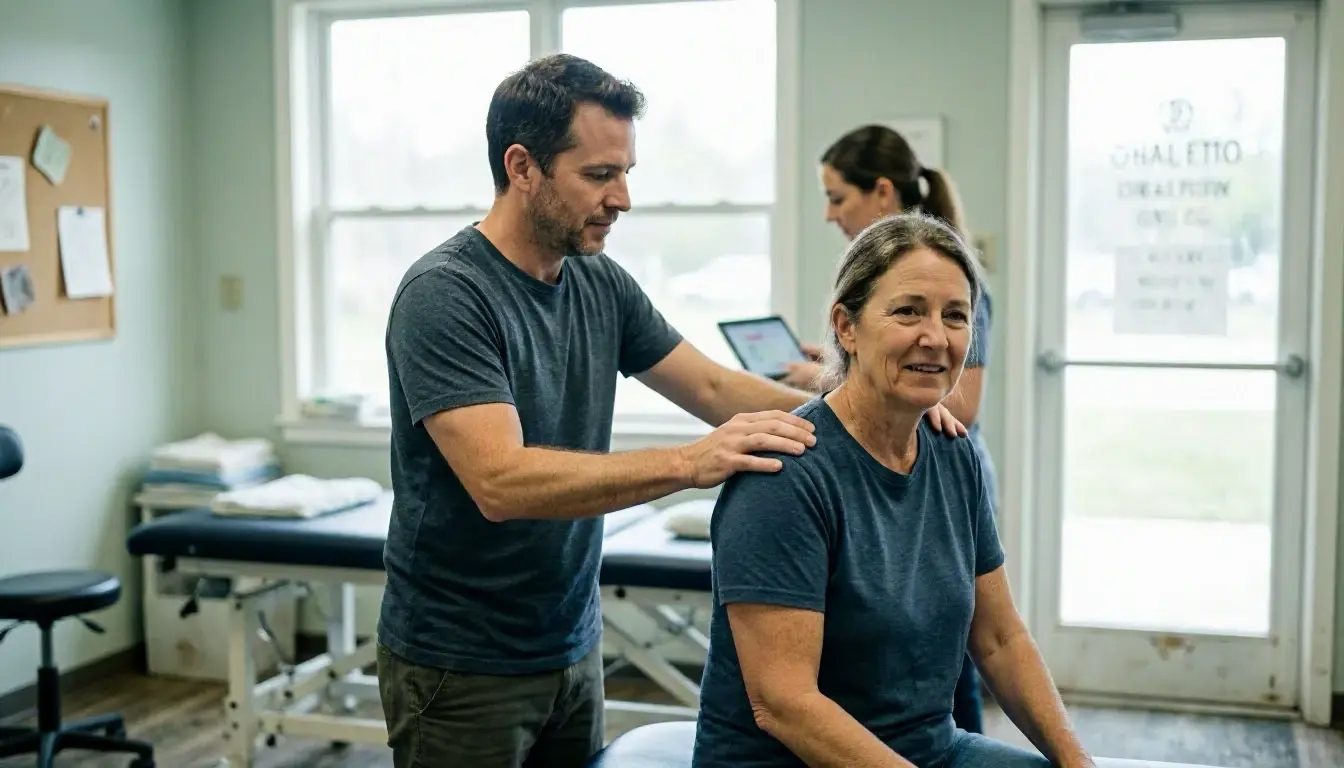
Hands-on therapies can help too.
How Chronic Pain Works in the Body?
Chronic Pain happens when nerves keep sending pain signals. The body may not be hurt anymore. But the brain still gets signals.
Pain signals usually warn us of danger. Like touching something hot. They stop when the danger is gone.
With Chronic Pain, signals keep going. Nerves may get too sensitive. The brain may expect pain too much.
This can make gentle touches hurt. Pain may spread to new areas.
Pain becomes chronic when healing gets stuck. After a back injury, muscles may tighten. They do this to protect you.
If they stay tight too long, they cause pain. Swelling helps heal injuries. But it can linger and hurt nerves.
The brain may link pain to daily tasks. This makes moving hard. Breaking this cycle needs many treatments.
Gentle movement helps. So do relaxation and hands-on therapy. These retrain the body and brain.
Why Chronic Pain Matters?

Chronic Pain changes many parts of life. Simple tasks get hard. Sitting, standing. Or walking may hurt.
Sleep can be tough. Pain may keep you awake. This makes you tired and moody.
Avoiding movement can weaken muscles. This makes pain worse. Work, hobbies. And relationships suffer too.
Chronic Pain affects healthcare and communities. It's a top reason people see doctors.
Long-term pain medicine use can cause problems. Good pain management helps a lot.
It keeps people independent. It cuts down on doctor visits. It boosts well-being too.
Pain affects body and mind. So care should too. Chiropractors and therapists can help.
Mental health experts help as well.
When Chronic Pain Matters Most?
Chronic Pain matters when it limits daily life. Pain may make work hard. Driving or caring for family can be tough.
Pain is worst when you're still. Like trying to sleep or relax. No distractions mean more pain.
Pain that wakes you at night needs attention. So does pain during meals.
Life changes can make pain worse. Aging, weight gain. Or new injuries can do this.
Stress or big life events can too. They make your body more sensitive.
Past surgeries or car accidents may cause pain later. So can repetitive strain.
Early help can stop pain from getting worse. Gentle exercises can help.
So can posture changes or hands-on therapy. Regular check-ups catch small problems early.