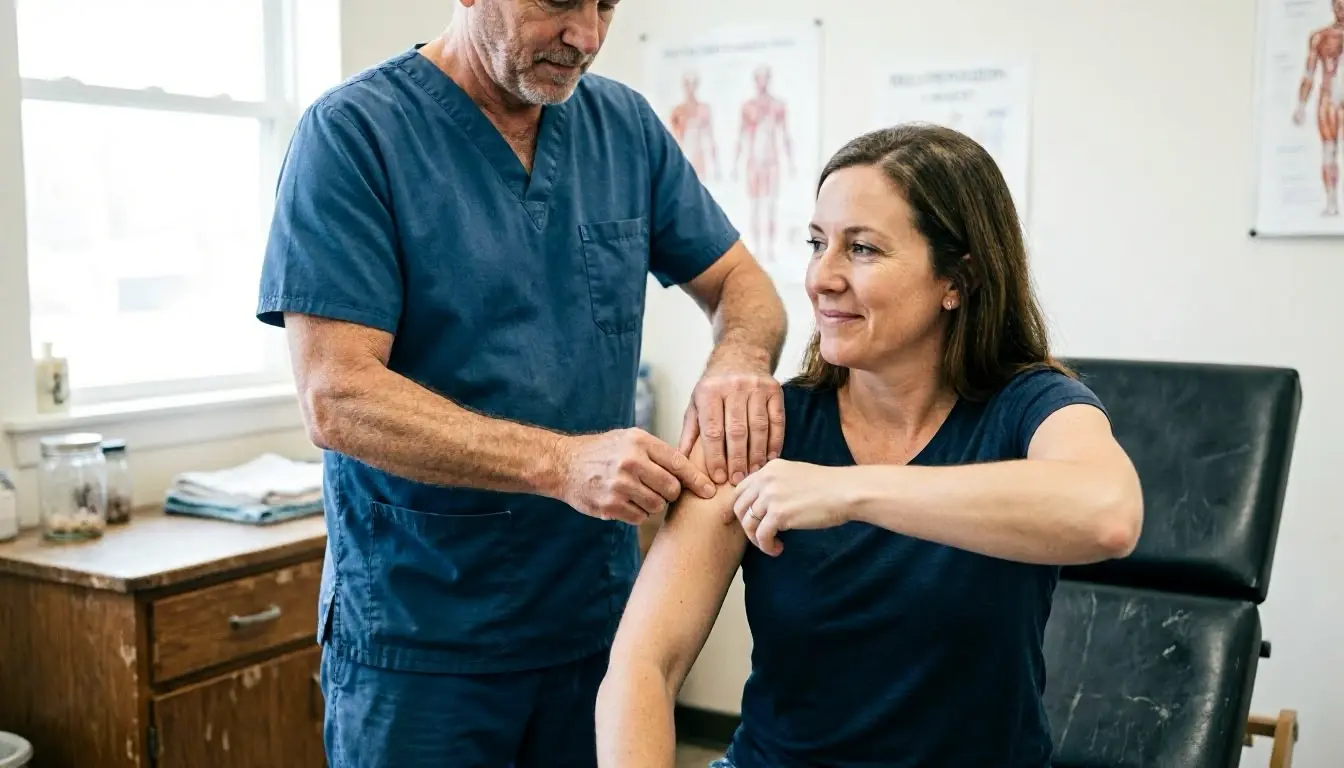
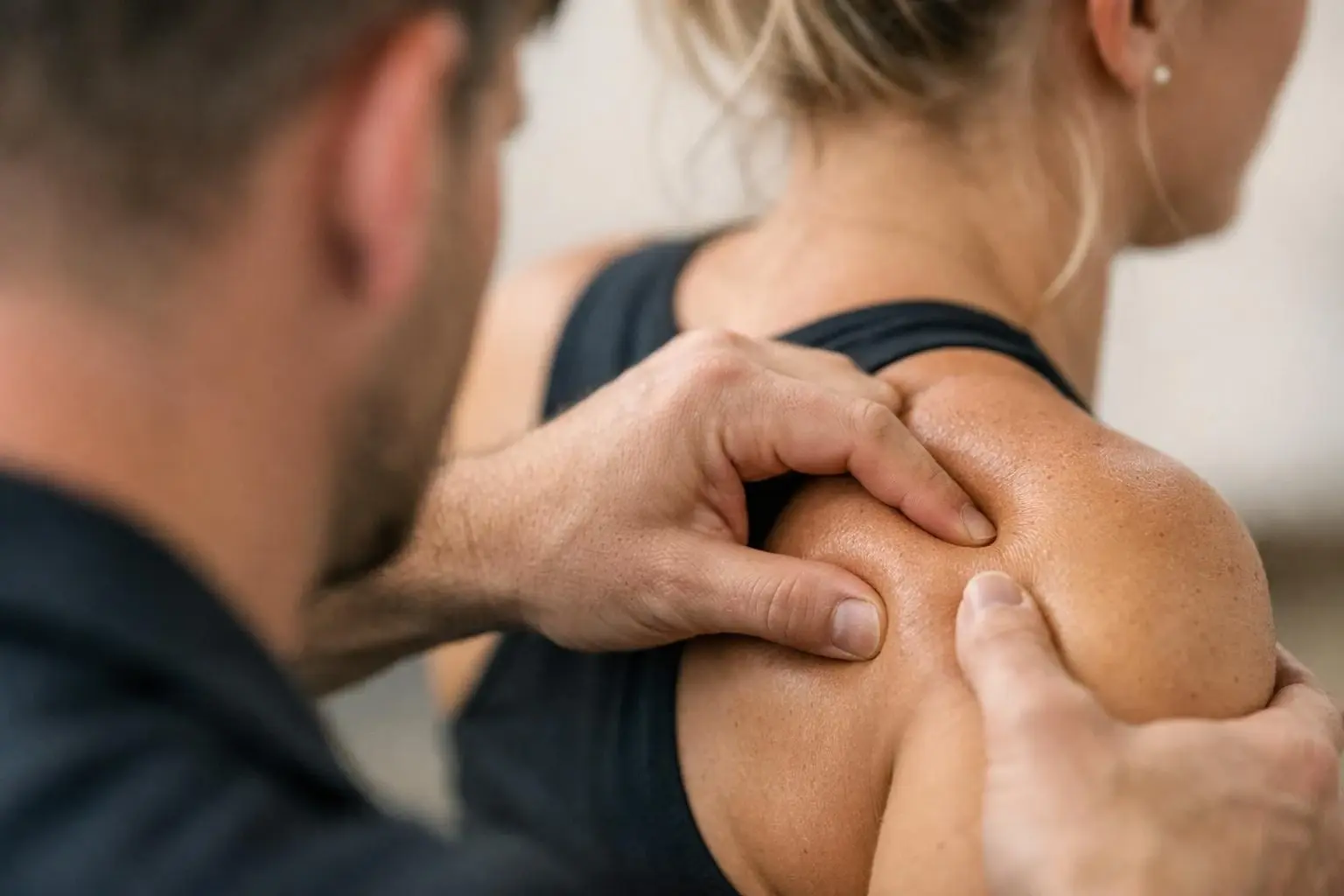
Active Release Technique is a patented, hands-on soft-tissue treatment that combines precise pressure with patient movement to break up scar tissue and adhesions in muscles, tendons, ligaments. And nerves. Developed by chiropractor P. Michael Leahy, it targets chronic pain and restricted motion caused by repetitive strain, injuries. Or overuse. The method aims to restore normal texture, tension. And function to affected tissues.
Category
Soft-tissue therapy
Used for
Chronic pain, repetitive strain injuries, post-surgical adhesions
Common confusion
Often mistaken for massage; ART involves active patient movement
Also called
ART, Active Release Therapy
Often discussed with
Sports Injury Chiropractic Care, Work Injury Treatment

ART (Active Release Technique) helps fix soft-tissue injuries. It works on muscles, tendons, ligaments. And nerves.
Related glossary terms: Myofascial Release, Soft Tissue Therapy, Trigger Point Therapy.
Other treatments just rub or stretch. ART adds pressure with movement. This breaks up scar tissue (adhesions).
Adhesions form after injuries. They also form from repeating the same motion. Bad posture can cause them too.
These adhesions cause pain. They make you stiff. They stop you from moving well. ART providers use their hands to find them.
They press on the problem spots. Then they guide you to move. This helps fix the issue.
Dr. P. Michael Leahy made ART in the 1980s. He was a chiropractor (back doctor) and engineer.
He wanted a better way to help athletes. Now ART helps many people. It works for everyday aches and work injuries.
It also helps after surgery. ART breaks up scar tissue. This lets muscles and joints work right again.
Each ART session is different. It fits the person’s needs. It works with how they move.
ART finds and fixes tight soft tissues. It uses pressure and movement together.
The provider feels for adhesions. These feel like hard knots under the skin.
They press on the knot. Then they tell you to move a certain way.
This helps the tissues separate. They can glide smoothly again. The provider does this a few times.
They change pressure and movement. They do this based on how the tissue feels.
Providers feel for changes. The tissue should get softer. It should hurt less too.
ART often works with other treatments. These include chiropractic (back) adjustments. They also include physical therapy.
Sessions last 10 to 30 minutes. It depends on the problem. Some people feel better right away.
Others need more sessions. This is true for old or bad problems.

ART helps with soft-tissue problems. Many people ignore these. They think pain comes from aging or arthritis.
But scar tissue often causes pain. ART can fix this. It makes tissues work right again.
This reduces pain. It helps you move better. It makes daily tasks easier.
You might visit the doctor less. You might need fewer pills. Your life can get better.
ART also stops future injuries. Tight tissues tear easily. They get inflamed (swollen) fast.
ART keeps muscles and tendons loose. This helps you move without strain. It lowers injury risk.
This helps athletes and workers. It helps anyone with a tough job. ART also helps after surgery.
It stops too much scar tissue. This keeps you from getting stiff. It helps you heal faster.
ART helps people with pain. It helps those who feel stiff. It works if rest or stretching don’t.
ART treats many problems. These include carpal tunnel (wrist pain). They include plantar fasciitis (foot pain).
It helps tennis elbow. It helps rotator cuff (shoulder) injuries. It helps sciatica (leg nerve pain).
ART also treats headaches. These come from tight neck muscles. It helps back pain from bad posture.
It fixes numbness or tingling. This happens when nerves get stuck. Athletes use ART to heal strains.
ART helps when other treatments fail. For example, back pain might come back after massage.
ART fixes the real problem. It gives longer relief. It’s good if you don’t want surgery or pills.
ART is not for bad swelling. It’s not for open wounds. It’s not for broken bones.
Always see a provider first. They’ll tell you if ART is right for you.
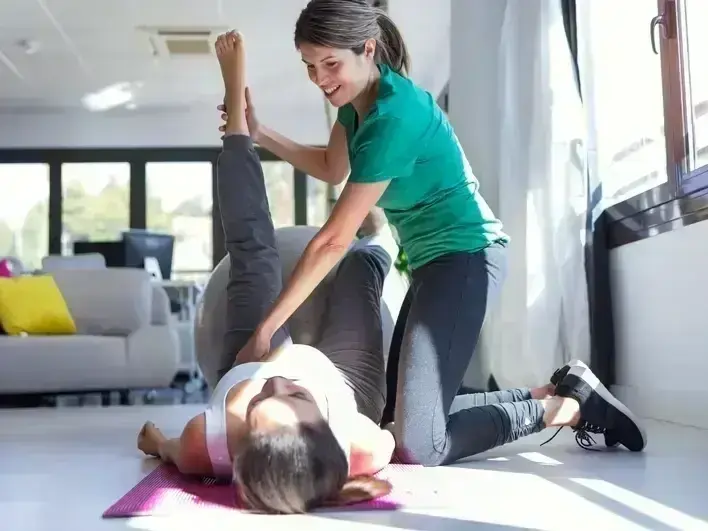
Graston Technique uses stainless steel tools to break up scar tissue. While Active Release Technique relies on hands-on pressure and patient movement.
Myofascial release focuses on gentle, sustained pressure to release fascia, whereas ART uses dynamic movement with targeted pressure.
Trigger point therapy targets specific hyperirritable spots in muscles. While ART addresses broader adhesions and tissue restrictions through movement.
ART is most effective when the provider tailors the treatment to the patient’s unique movement patterns and injury history. Generic protocols often yield limited results. So a thorough assessment is key to success.
A runner with persistent knee pain visits a chiropractor trained in Active Release Technique. The provider identifies tight adhesions in the runner’s quadriceps and it band, which are contributing to misalignment and pain. During treatment, the provider applies pressure to the tight areas while guiding the runner through knee flexion and extension. After three sessions, the runner reports less pain and improved stride, allowing them to return to training without discomfort.
Myofascial Release is a hands-on therapy that gently stretches and loosens the fascia, the thin layer of connective tissue surrounding muscles, bones. And organs. This technique helps reduce pain, improve movement. And restore function by releasing tightness or restrictions in the fascia caused by injury, stress. Or poor posture.
Soft Tissue Therapy is a hands-on treatment method that targets muscles, tendons, ligaments. And fascia to reduce pain, improve mobility. And promote healing. Soft Tissue Therapy uses techniques like massage, stretching. And pressure to break up scar tissue, release tension. And restore normal function in injured or overused areas.
Trigger Point Therapy is a manual treatment method that targets tight, painful knots in muscles called trigger points. These knots can cause localized pain or refer pain to other areas of the body. The therapy involves applying focused pressure to these points to release tension, improve blood flow. And restore normal muscle function, often providing relief from chronic or acute muscle pain.
Chiropractic Adjustment is a precise, hands-on procedure chiropractors use to apply controlled force to a joint in the spine or other body part. The goal is to improve alignment, reduce nerve irritation. And restore normal movement. Adjustments are often done manually but may also use small instruments. They're a core treatment in chiropractic care for pain relief and function improvement.
Mobilization is a hands-on technique used by chiropractors and physical therapists to gently move joints and muscles to improve motion, reduce stiffness. And relieve pain. Mobilization involves slow, controlled movements rather than sudden force, making it a safer option for patients with sensitive or injured areas.
ChiropractorRiverdale.com
Contact ChiropractorRiverdale.com for practical guidance on Active Release Technique and related chiropractor work in Riverdale.