Glossary

What is Mobilization?

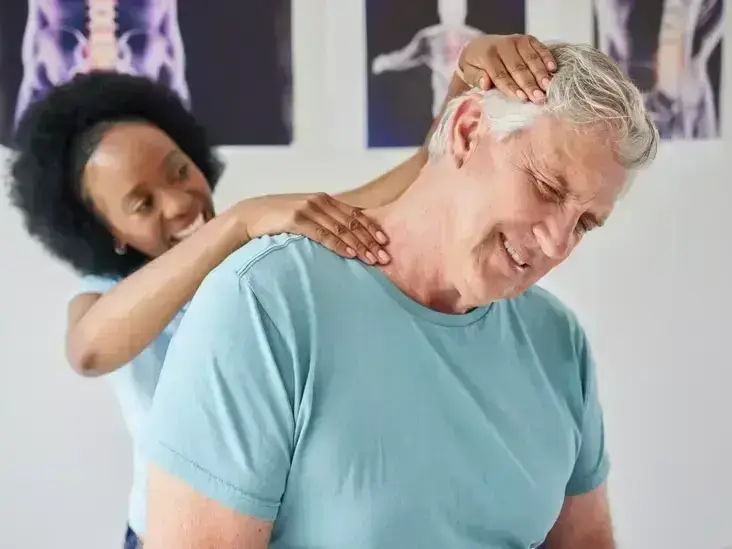
Mobilization is a hands-on technique used by chiropractors and physical therapists to gently move joints and muscles to improve motion, reduce stiffness. And relieve pain. Mobilization involves slow, controlled movements rather than sudden force, making it a safer option for patients with sensitive or injured areas.

Reviewed by ChiropractorRiverdale.comSources reviewed: American Chiropractic Association, National Institutes of Health - Manual Therapy Techniques

Quick Facts About Mobilization

Category

Manual therapy technique

Used for

Joint stiffness, muscle tightness, pain relief

Common confusion

Often mistaken for spinal manipulation, which uses quick force

Also called

Joint mobilization, Manual mobilization

Often discussed with

Chiropractic Consultation and Diagnosis, Car Accident Injury Rehabilitation

Key Takeaways About Mobilization

Understanding Mobilization
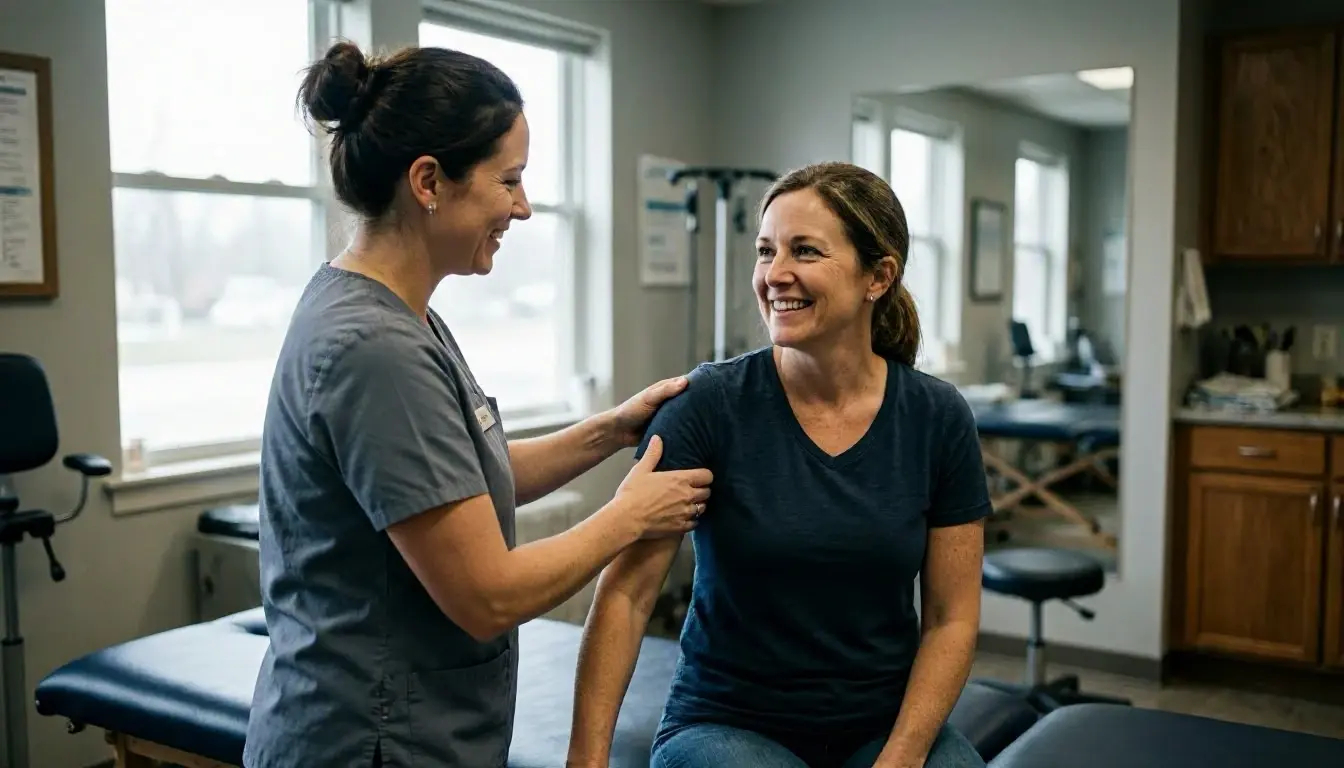
Mobilization in Chiropractor: Mobilization is a hands-on technique used by chiropractors and physical therapists to—visual...

Mobilization is a hands-on treatment. It's used in chiropractic care and physical therapy.

Related glossary terms: Chiropractic, Spinal Manipulation, Myofascial Release.

It uses slow, gentle movements. These movements help joints and muscles move better.

This can reduce stiffness. It can also ease pain. Most people don't feel discomfort.

It works well for many patients. Some can't handle rougher treatments. This includes older adults or those with injuries.

People with arthritis may also prefer it. It's gentler than other methods.

The goal is to help joints work better. The chiropractor moves the joint gently. They stretch it a little at a time.

They use their hands. They push at certain angles. This keeps the joint moving naturally.

It's not as strong as spinal manipulation. But it can work just as well. Many patients like it better.

It doesn't use sudden force. So it's good for injuries or long-term pain.

How Mobilization Works?

Mobilization uses careful pressure. It moves joints and muscles like they should.

The chiropractor guides the joint. They move it through its normal range. This loosens tight muscles.

They start with light pressure. They add more as the patient feels okay. This helps break up stiff spots.

It improves blood flow. It also cuts down on swelling.

First, the chiropractor checks the joint. They see how well it moves. Then they start the treatment.

They move the joint slowly. They do this over and over. They may ask the patient to breathe deeply.

This helps the patient relax. It doesn't make popping sounds. Most people don't feel pain.

A session can be short or long. It depends on what the patient needs.

Mobilization works on many joints. This includes the spine, shoulders, hips. And knees.

It's often used with other treatments. These may be stretches or heat therapy. This helps get better results.

Some people feel better right away. Others need a few sessions. It depends on the problem.

Why Mobilization Matters?
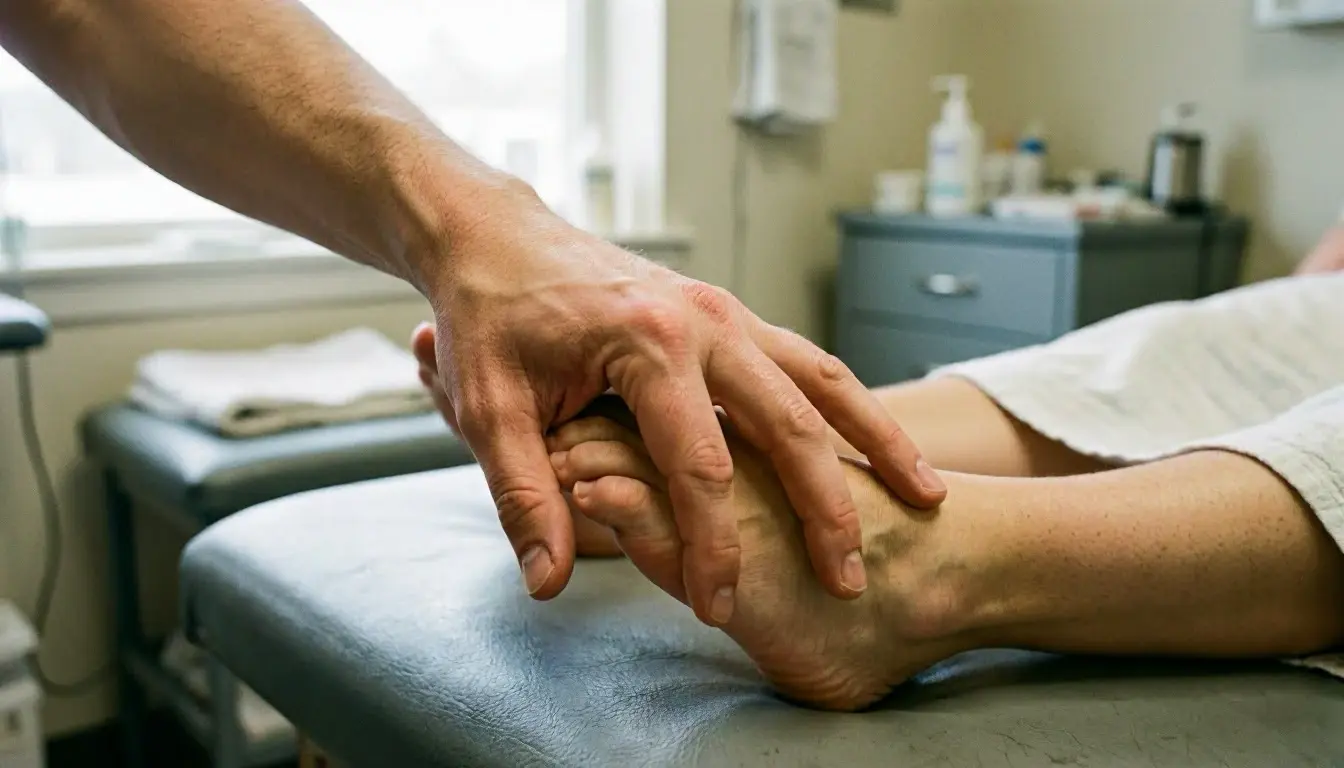
How Mobilization applies to Chiropractor services in Riverdale, United States—practical illustration

Mobilization is safe. It helps joints work better. It doesn't use strong force.

It's good for arthritis or injuries. It helps people move easier. It also cuts down on pain.

It's useful after surgery. It helps patients heal faster. It's more comfortable than other treatments.

It works well with other treatments. It can be used before spinal adjustments. This helps the body get ready.

It makes joints move better first. Then chiropractors can adjust them easier. This means fewer adjustments.

Mobilization is important in many cases. It helps with new and long-term problems.

When Mobilization Matters Most?

Some patients need gentle care. This includes older adults or injured people.

Mobilization is safer for them. It doesn't use quick, strong moves. It helps without hurting more.

People with sprains or surgeries like it. It helps them get better without more damage.

It helps with long-term problems too. This includes arthritis or fibromyalgia.

These cause pain and stiffness. Stronger treatments can be uncomfortable. Mobilization is gentler.

It helps people stay active. It cuts down on pain over time.

Athletes may use it too. It helps prevent injuries. It also helps them recover faster.

In Riverdale, GA, many people need chiropractic care. They may have work injuries or car accidents.

Sports injuries are common too. Mobilization helps with all of these.

It eases pain and stiffness. Patients can get back to daily life. They feel less discomfort.

It can be used alone. It can also be part of a bigger plan. It helps joints stay healthy.

It's a good way to feel better. It works for many people.

How to Evaluate Mobilization?

Related Concepts Compared

Mobilization vs. Spinal Manipulation

Spinal manipulation uses quick, forceful movements to adjust joints, often producing a popping sound. Mobilization is gentler and involves slow, controlled pressure.

Mobilization vs. Myofascial Release

Myofascial release focuses on stretching and releasing tight muscles and connective tissue. Mobilization targets joint movement specifically.

Expert Note

Mobilization is ideal for patients who need gradual improvement in joint function without the intensity of high-velocity adjustments. It’s particularly useful for those with chronic conditions or recent injuries.

Common Mistakes or Myths About Mobilization

  • Assuming mobilization is the same as spinal manipulation—mobilization is gentler and uses no sudden force.
  • Expecting immediate results after one session—mobilization often requires multiple treatments for lasting benefits.
  • Thinking mobilization is only for the spine—it can be used on any joint in the body.

Mobilization in Practice: A Real-World Example

A patient recovering from a car accident may experience neck stiffness and limited range of motion. A chiropractor uses mobilization to gently move the neck joints, reducing stiffness and improving flexibility over several sessions. The patient feels less pain and can turn their head more easily after treatment.

Sources & Further Reading on Mobilization

Related Services

Related Terms

Chiropractic

Chiropractic is a healthcare profession focused on diagnosing and treating musculoskeletal disorders, particularly those related to the spine. Chiropractors use hands-on spinal manipulation and other alternative treatments to align the body's musculoskeletal structure, enabling the body to heal itself without surgery or medication. Chiropractic care primarily addresses back pain, neck pain, joint pain. And headaches.

Spinal Manipulation

Spinal Manipulation is a hands-on therapy where a trained provider applies controlled force to a joint in the spine. The goal is to improve spinal motion, reduce pain. And help the body function better. It's most often done by chiropractors, osteopaths.

Myofascial Release

Myofascial Release is a hands-on therapy that gently stretches and loosens the fascia, the thin layer of connective tissue surrounding muscles, bones. And organs. This technique helps reduce pain, improve movement. And restore function by releasing tightness or restrictions in the fascia caused by injury, stress. Or poor posture.

Soft Tissue Therapy

Soft Tissue Therapy is a hands-on treatment method that targets muscles, tendons, ligaments. And fascia to reduce pain, improve mobility. And promote healing. Soft Tissue Therapy uses techniques like massage, stretching. And pressure to break up scar tissue, release tension. And restore normal function in injured or overused areas.

Joint Dysfunction

Joint Dysfunction is a condition where a joint in the body moves improperly or loses its normal range of motion. It often causes pain, stiffness. Or swelling and may result from injury, overuse, poor posture. Or underlying health issues like arthritis. Joint Dysfunction can affect any joint, including the spine, knees, shoulders.

ChiropractorRiverdale.com

Have Questions About Mobilization?

Contact ChiropractorRiverdale.com for practical guidance on Mobilization and related chiropractor work in Riverdale.

+1 678-605-9917