Understanding Acute Pain
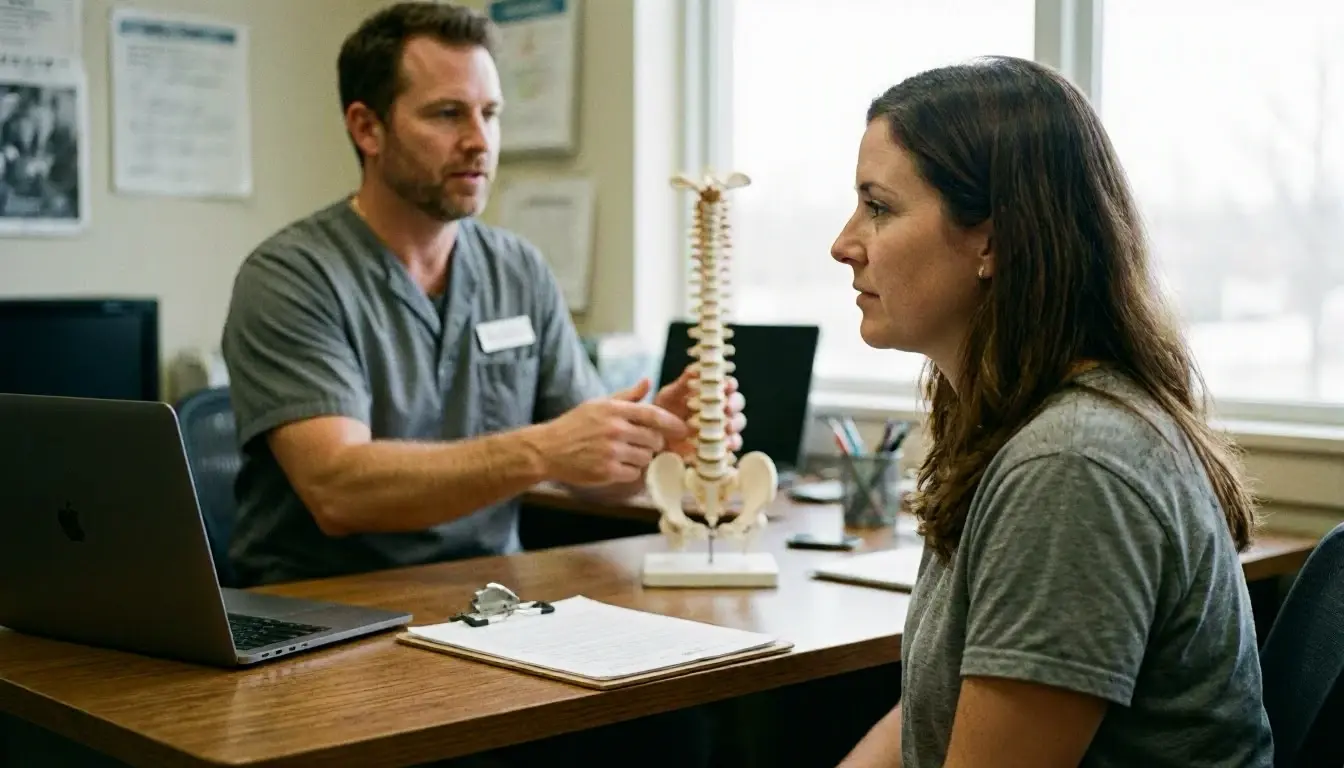
Acute Pain is the body’s immediate response to harm or potential harm. It typically begins suddenly, often within seconds or minutes of an injury. And serves as a protective mechanism. For example, touching a hot stove triggers sharp Acute Pain, prompting you to pull your hand away before further damage occurs. This type of pain is usually intense but short-lived, lasting from a few moments to several weeks, depending on the cause and treatment.
Related glossary terms: Chronic Pain, Adjustment, Joint Dysfunction.
Unlike chronic pain, which persists for months or even years, Acute Pain is temporary. It resolves once the underlying issue—such as a broken bone, infection. Or muscle tear—heals. But if Acute Pain is ignored or improperly treated, it can sometimes develop into chronic pain, making early attention important. Common triggers include accidents, surgeries, dental procedures. Or sudden illnesses like appendicitis.
How Acute Pain Works?
When the body experiences injury or damage, specialized nerve endings called nociceptors detect harmful stimuli. These receptors send electrical signals through the nervous system to the brain, which interprets them as pain. The intensity and location of Acute Pain depend on the type and severity of the injury. For instance, a minor cut may cause mild, localized discomfort. While a broken bone can produce severe, widespread pain.
Acute Pain can also vary in sensation. It may feel sharp, throbbing, burning. Or stabbing, depending on the cause. For example, a muscle strain often results in a dull, aching pain. While nerve damage may cause a shooting or electric-like sensation. Healthcare providers often assess Acute Pain using simple scales, such as asking patients to rate their pain from 0 (no pain) to 10 (worst pain imaginable), to guide treatment decisions.
Why Acute Pain Matters?
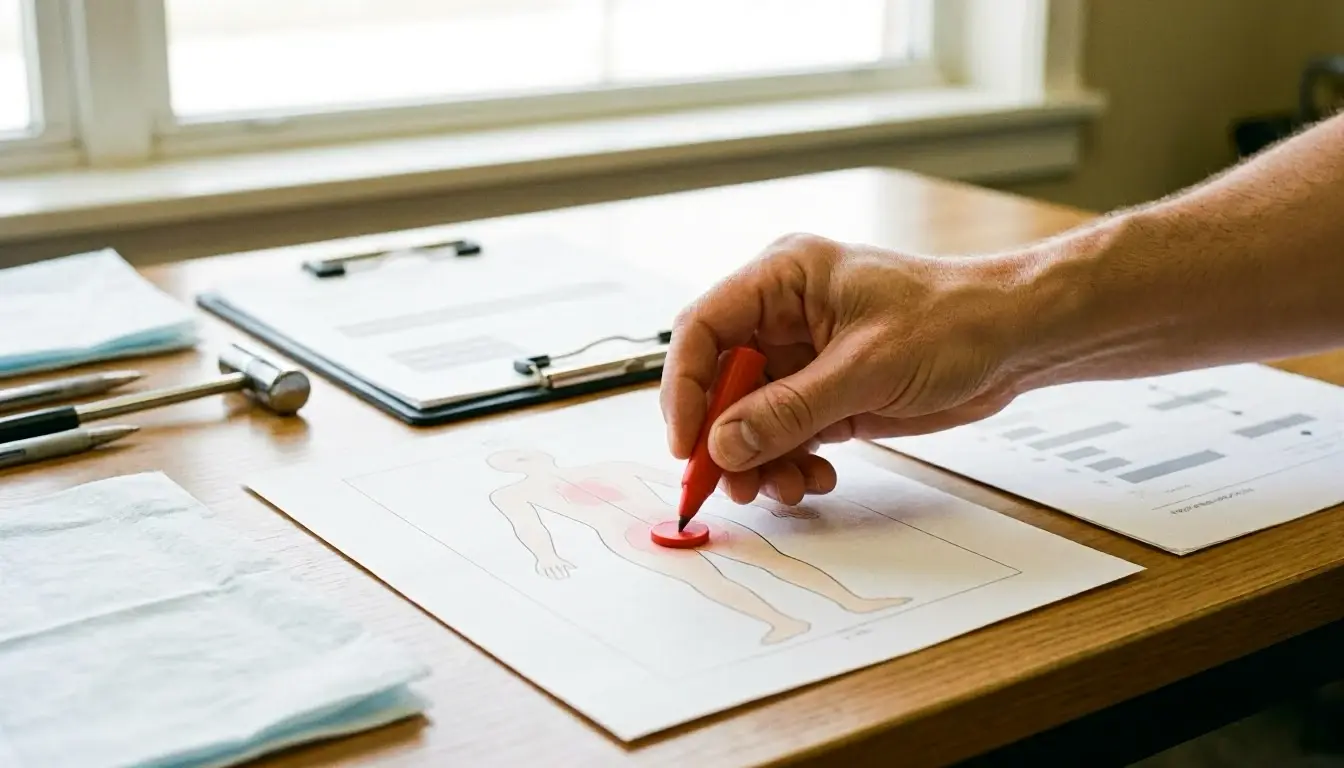
Acute Pain plays a critical role in survival by alerting the body to potential harm. Without this warning system, people might ignore injuries or illnesses that require immediate care, leading to worse outcomes. For example, Acute Pain from a heart attack prompts someone to seek emergency help. While pain from an infected wound signals the need for medical attention to prevent complications like sepsis.
Beyond its protective function, Acute Pain also affects daily life. Severe pain can limit movement, disrupt sleep. And reduce the ability to work or enjoy activities. Proper management of Acute Pain—through rest, medication, physical therapy. Or other treatments - helps speed recovery and improves quality of life. Ignoring or masking pain without addressing the cause. But can delay healing and increase the risk of long-term problems.
When Acute Pain Matters Most?
Acute Pain is most critical in situations where it signals a serious or life-threatening condition. For example, sudden chest pain may indicate a heart attack. While severe abdominal pain could point to appendicitis or another emergency. In these cases, seeking immediate medical care is essential to prevent serious harm or death. Even less severe Acute Pain, such as from a sports injury or minor accident, requires attention to ensure proper healing and avoid complications like chronic pain or mobility issues.
Acute Pain also matters when it interferes with daily activities or recovery. For instance, pain from a car accident injury may limit a person’s ability to work, drive. Or care for their family. In Riverdale, GA, chiropractors often treat Acute Pain from auto accidents, sports injuries. Or workplace incidents, helping patients regain function and return to their normal routines. Recognizing when Acute Pain is a sign of something more serious - and knowing when to seek professional help, can make a significant difference in recovery outcomes.