Understanding Cold Laser Therapy
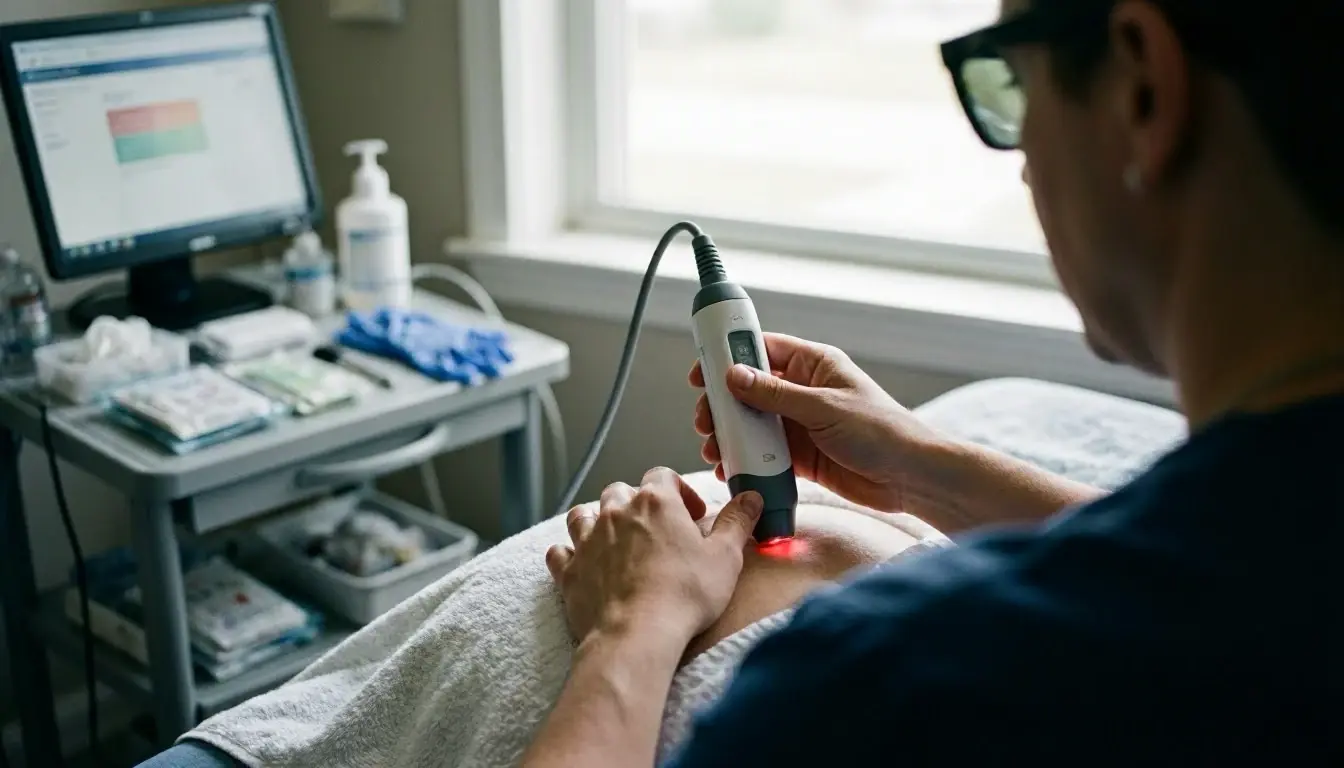
Cold Laser Therapy, also known as low-level laser therapy (LLLT), is a medical treatment that uses specific wavelengths of light to interact with tissue. Unlike surgical or aesthetic lasers, Cold Laser Therapy doesn't generate heat, which is why it's called "cold." The light energy penetrates the skin and is absorbed by cells, triggering a series of reactions that promote healing and reduce pain. This therapy is commonly used in chiropractic care, physical therapy. And sports medicine to address conditions like tendonitis, arthritis. And muscle strains.
Related glossary terms: Chiropractic, Soft Tissue Therapy, Spinal Manipulation.
The concept behind Cold Laser Therapy is rooted in photobiomodulation, a process where light energy is converted into cellular energy. This boost in energy helps cells repair themselves more efficiently. Because the therapy is non-invasive and does not involve drugs or surgery, it is considered a safe and gentle option for many patients. It is particularly appealing to those who prefer to avoid medications or are not candidates for more aggressive treatments.
How Cold Laser Therapy Works?
During a Cold Laser Therapy session, a healthcare provider uses a handheld device to direct low-level laser light over the affected area. The light passes through the skin and reaches the underlying tissues, where it is absorbed by mitochondria, the energy-producing components of cells. This absorption stimulates the production of adenosine triphosphate (ATP), which fuels cellular repair and regeneration. The increased ATP production accelerates healing, reduces inflammation. And eases pain.
The wavelength and intensity of the laser light are carefully calibrated to ensure safety and effectiveness. Typical wavelengths range from 600 to 1,000 nanometers, which are optimal for penetrating skin and soft tissues. Treatment sessions usually last between 5 to 15 minutes, depending on the size of the area being treated. Most patients require multiple sessions to achieve the best results, with providers often recommending a series of treatments over several weeks.
Cold Laser Therapy is versatile and can be used on various parts of the body, including joints, muscles. And nerves. It is frequently combined with other therapies, such as chiropractic adjustments or physical therapy, to boost overall outcomes. For example, a patient recovering from a sports injury might receive Cold Laser Therapy to reduce inflammation, followed by stretching exercises to restore mobility.
Why Cold Laser Therapy Matters?
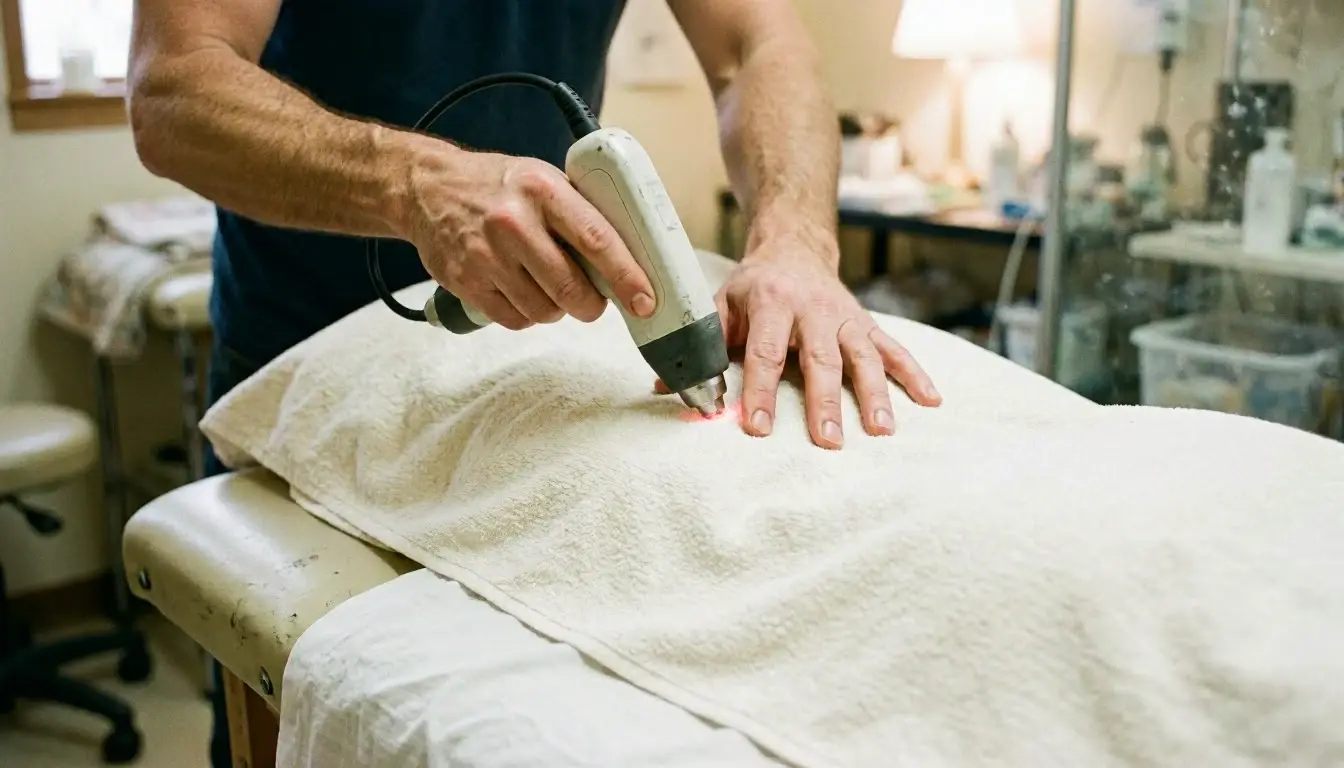
Cold Laser Therapy offers a drug-free, non-surgical alternative for managing pain and promoting healing. For patients dealing with chronic conditions like arthritis or acute injuries like sprains, this therapy can provide significant relief without the side effects associated with medications. It is also a valuable option for individuals who can't undergo surgery due to medical conditions or personal preferences. By accelerating the body’s natural healing processes, Cold Laser Therapy can help patients return to their daily activities more quickly.
Another key benefit of Cold Laser Therapy is its ability to reduce inflammation, a common source of pain and discomfort. Inflammation is the body’s natural response to injury. But when it persists, it can lead to chronic pain and tissue damage. Cold Laser Therapy helps modulate the inflammatory response, reducing swelling and pain while supporting the healing process. This makes it a useful tool for managing conditions like tendonitis, bursitis. And plantar fasciitis.
When Cold Laser Therapy Matters Most?
Cold Laser Therapy is most beneficial for individuals experiencing pain, inflammation. Or slow-healing injuries. It is often recommended for patients recovering from sports injuries, workplace accidents. Or car accidents, as it can help reduce downtime and improve recovery outcomes. Athletes, in particular, may use Cold Laser Therapy to speed up healing and return to their sport faster. It is also commonly used for chronic conditions like osteoarthritis, where long-term pain management is a priority.
This therapy is also valuable for patients who have not responded well to other treatments, such as medications or physical therapy alone. For example, someone with chronic back pain might find relief with Cold Laser Therapy after trying other methods without success. And Cold Laser Therapy is a safe option for older adults or individuals with compromised immune systems, as it does not involve invasive procedures or medications that could interact with other treatments.
A common issue is In Riverdale, GA, chiropractors often use Cold Laser Therapy as part of a full treatment plan for patients dealing with musculoskeletal issues. Whether it’s a construction worker recovering from a back injury or a senior managing arthritis pain, this therapy provides a gentle yet effective solution for healing and pain relief.