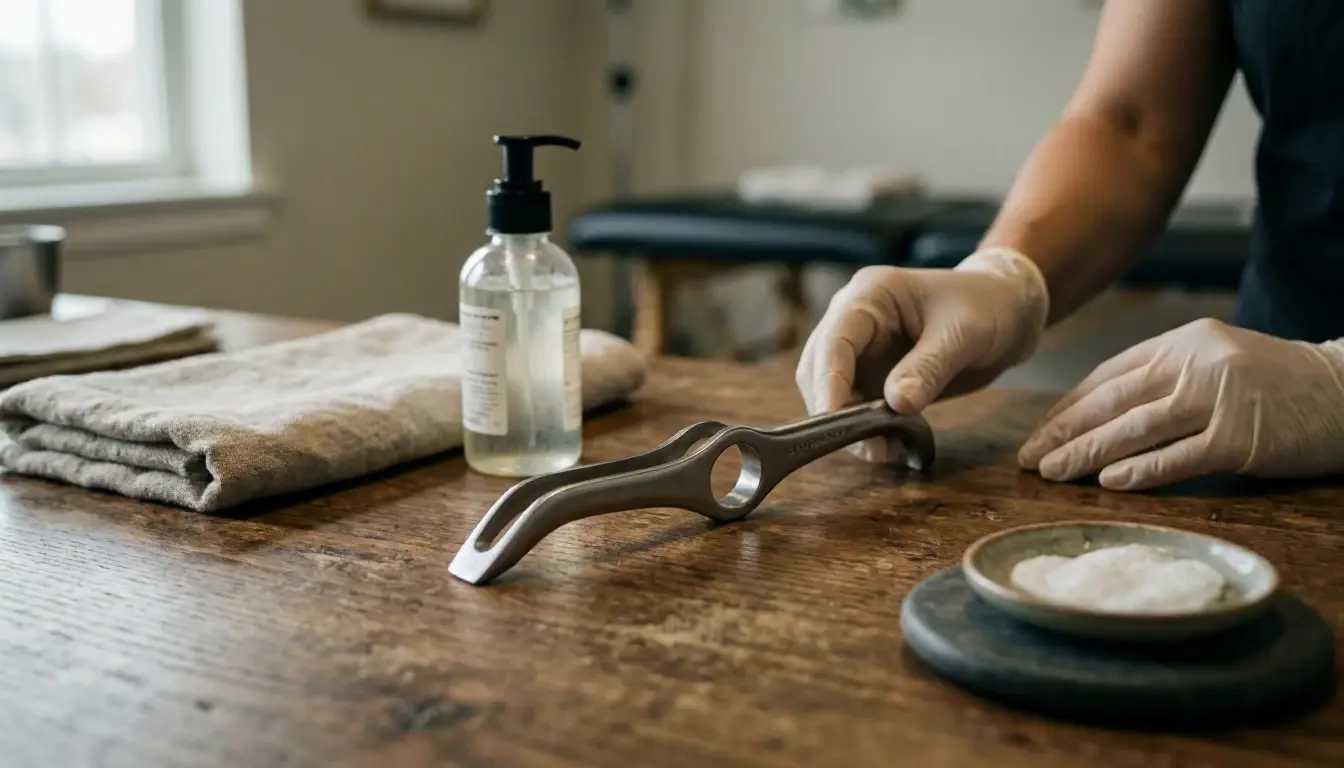
Graston Technique is a form of instrument-assisted soft tissue mobilization used by healthcare providers to detect and treat muscle, tendon, ligament. And fascia restrictions. Graston Technique involves specialized stainless-steel tools to break down scar tissue and fascial restrictions, improve blood flow.
Term
Graston Technique
Category
Definition

Graston Technique is a manual therapy approach designed to address soft tissue injuries and restrictions. Soft tissues include muscles, tendons, ligaments. And fascia—the connective tissue surrounding muscles and organs. When these tissues are injured, they can form scar tissue or adhesions, which limit movement and cause pain. Graston Technique targets these problem areas using specialized tools to improve healing and restore function.
The technique was developed in the 1990s and is based on principles of cross-friction massage, a method used for decades to treat soft tissue injuries. Unlike traditional massage, which relies on hands, Graston Technique uses stainless-steel instruments shaped to fit different parts of the body. These tools allow providers to detect and treat restrictions with precision, making the therapy effective for conditions like tendonitis, muscle strains. And post-surgical scar tissue.
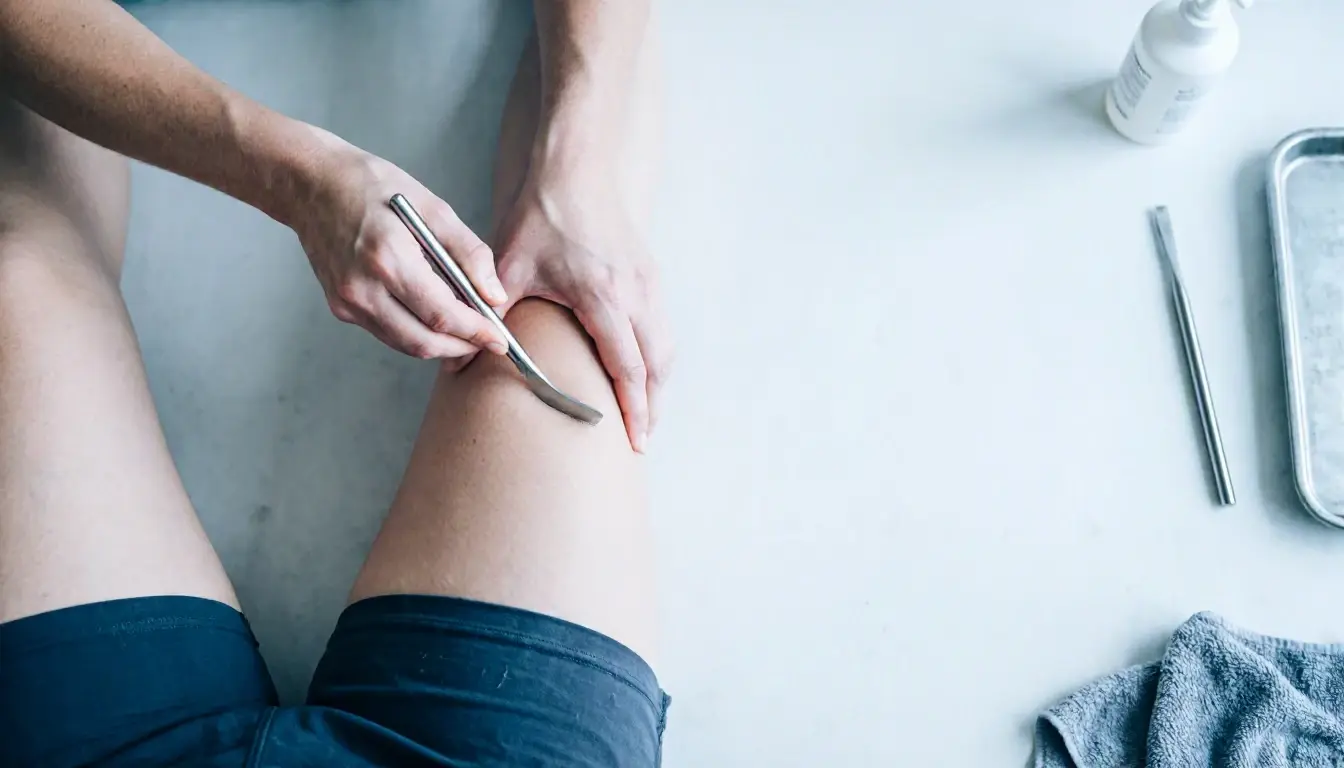
Graston Technique works through a combination of mechanical and neurological effects. The stainless-steel tools are used to scan the skin and locate areas of restriction or scar tissue. Once identified, the provider applies controlled pressure with the tool to break down adhesions and stimulate blood flow to the injured area. This process helps the body’s natural healing response by increasing circulation and reducing inflammation.
The treatment typically involves two phases: detection and treatment. During detection, the provider glides the tool over the skin to feel for areas of tightness or restriction. These areas often feel gritty or rough under the tool, indicating the presence of scar tissue. During treatment, the provider uses the tool to apply targeted pressure, breaking up the adhesions and promoting tissue remodeling. Patients may experience temporary redness or mild bruising after treatment, which is a normal response to the therapy.
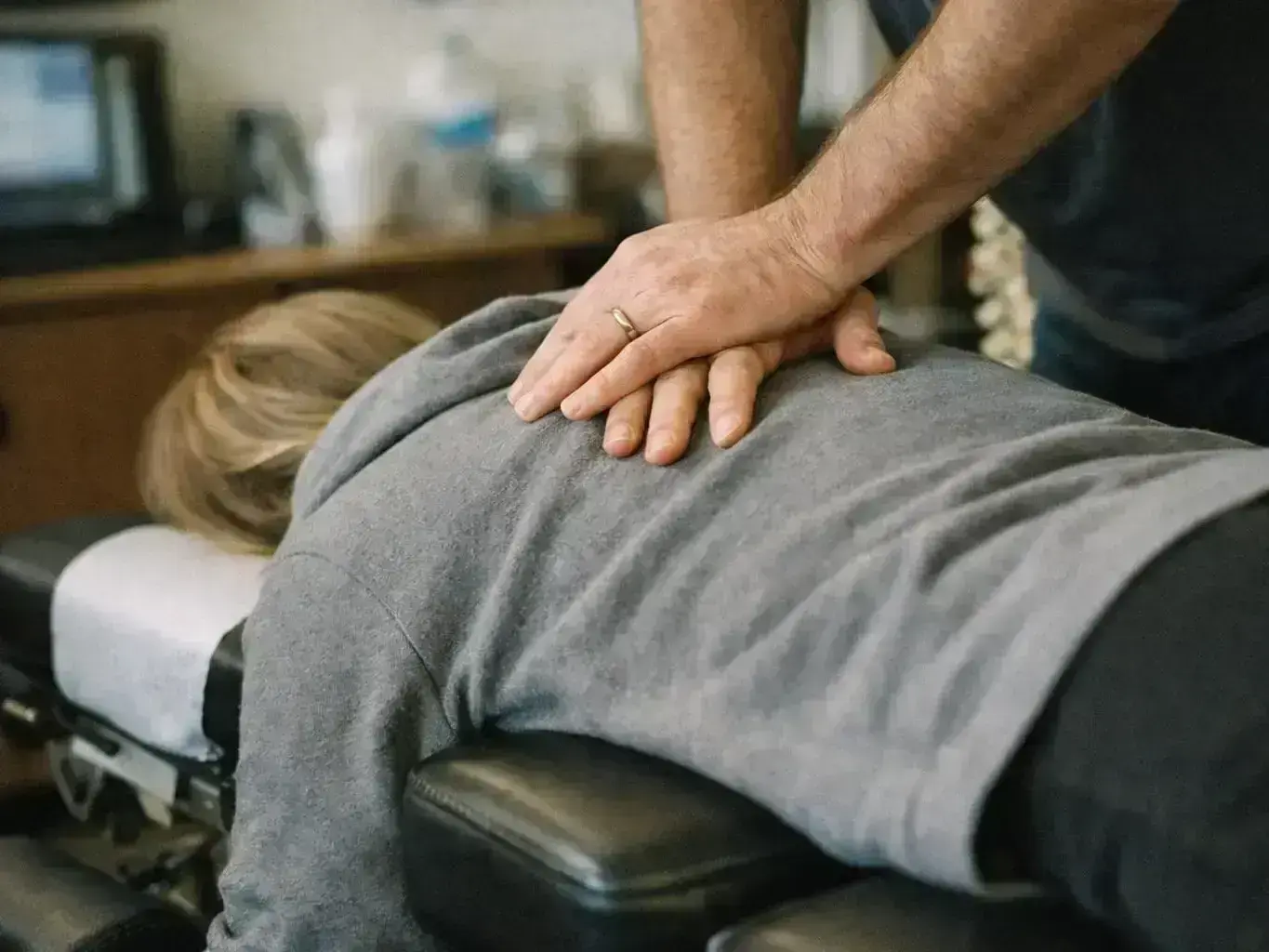
Graston Technique is rarely used in isolation. Providers often combine it with stretching, strengthening exercises. And other therapies to get the most from results. For example, after a Graston session, a patient might perform specific stretches to maintain the improved range of motion. This multimodal approach helps ensure long-term recovery and prevents re-injury.
Graston Technique matters because it offers a non-invasive way to treat soft tissue injuries that might otherwise require surgery or prolonged rest. Many common injuries, such as tennis elbow, plantar fasciitis. Or rotator cuff strains, involve scar tissue or adhesions that limit movement and cause chronic pain. By breaking down these restrictions, Graston Technique can reduce pain, improve mobility. And accelerate healing, allowing patients to return to their daily activities or sports more quickly.
The technique is also valuable for athletes and active individuals who are prone to overuse injuries. Repetitive motions, such as running, throwing. Or lifting, can lead to micro-tears in muscles and tendons, which eventually form scar tissue. Graston Technique helps address these issues before they become chronic, reducing downtime and improving performance. And the therapy is often used in post-surgical rehabilitation to cut down on scar tissue formation and restore normal tissue function.
Graston Technique is most beneficial for individuals dealing with soft tissue injuries that have not responded to rest, ice. Or traditional massage. Common conditions treated with Graston Technique include tendonitis (such as Achilles tendonitis or patellar tendonitis), muscle strains, ligament sprains. And post-surgical scar tissue. It's also useful for chronic conditions like plantar fasciitis, carpal tunnel syndrome. And shoulder impingement, where scar tissue or adhesions contribute to ongoing pain and stiffness.
Patients who experience limited range of motion, persistent pain. Or stiffness in muscles or joints may benefit from Graston Technique. The therapy is particularly effective when combined with a rehabilitation program that includes stretching and strengthening exercises. For example, someone recovering from a hamstring strain might use Graston Technique to break down scar tissue, followed by targeted stretches to maintain flexibility. This combination helps prevent re-injury and promotes long-term recovery.
In practice, Graston Technique is also commonly used in sports medicine to treat overuse injuries in athletes. For instance, a runner with it band syndrome might undergo Graston sessions to reduce friction and inflammation along the outside of the knee. Similarly, a baseball player with a rotator cuff strain could use the technique to address scar tissue and improve shoulder mobility. By addressing the root cause of the injury, Graston Technique helps athletes return to their sport with reduced risk of re-injury.
Graston Technique is most effective when integrated into a comprehensive rehabilitation plan. The tools help break down scar tissue. But stretching and strengthening exercises are essential to maintain the improvements and prevent re-injury. Always follow your provider’s guidance for the best outcomes.
A runner with chronic Achilles tendonitis undergoes Graston Technique sessions. The provider uses a stainless-steel tool to locate and treat tight areas along the tendon. After each session, the runner performs specific stretches to maintain flexibility. Within a few weeks, the runner experiences less pain and improved mobility, allowing them to return to running with reduced discomfort.
Arrowhead Clinic Chiropractor
Contact Arrowhead Clinic Chiropractor for practical guidance on Graston Technique and related chiropractor work in Riverdale.